Last updated November 25, 2026
 Sliding glass doors
 Single hung
 Double hung
 Horizontal roller
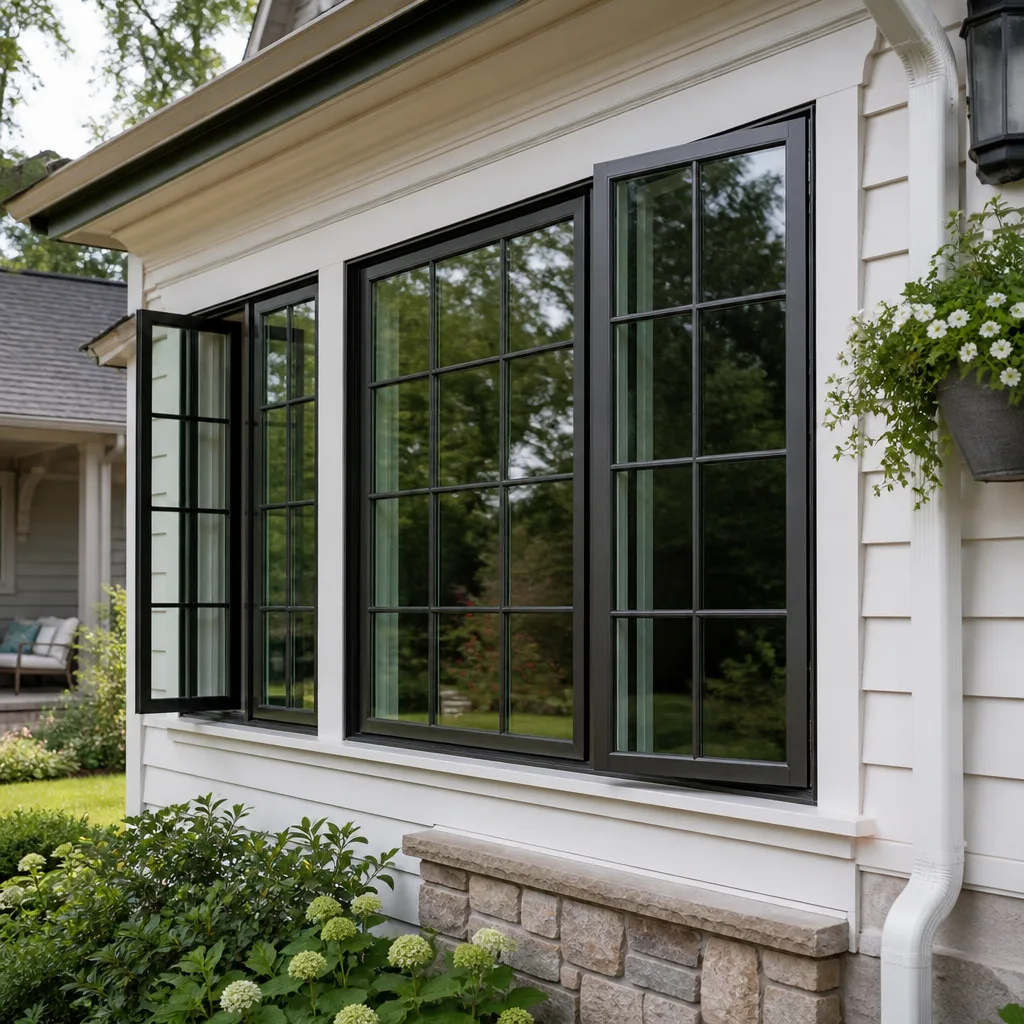 Casement
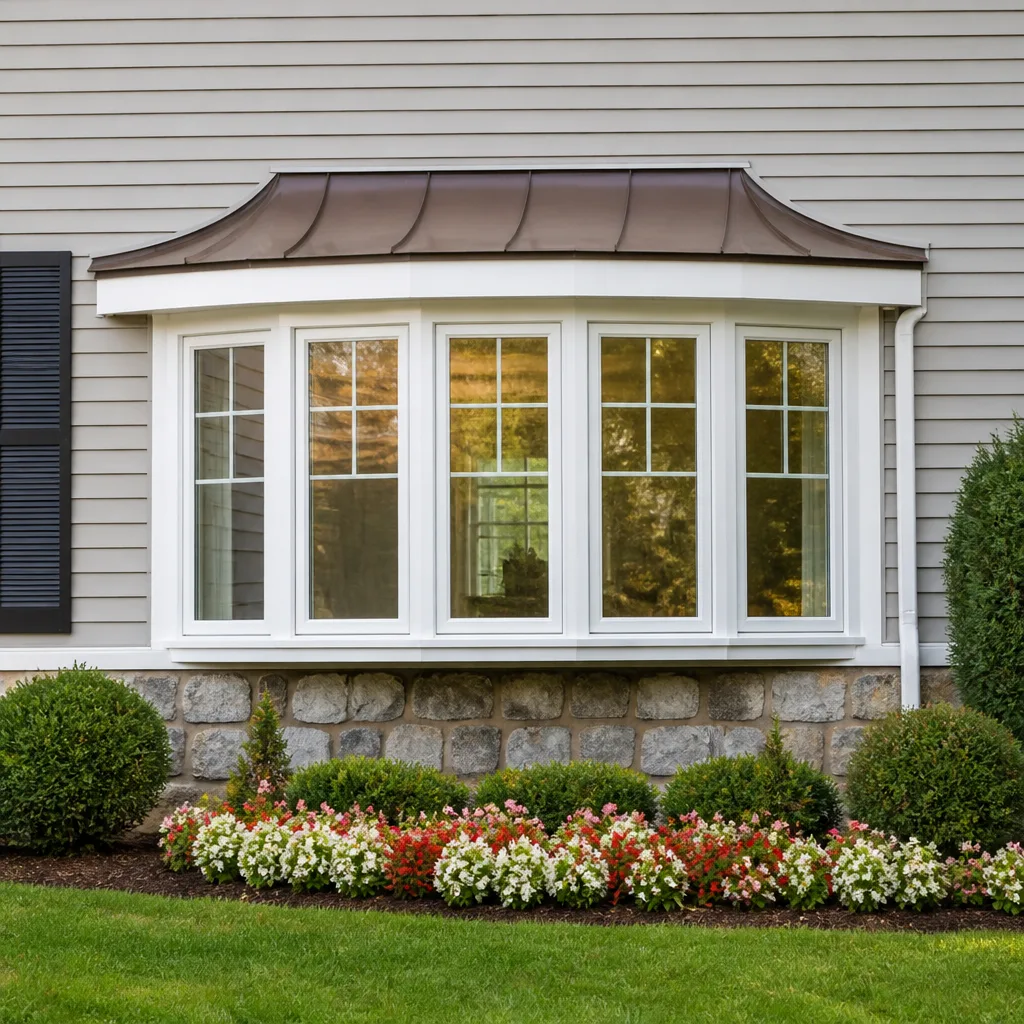 Bay & bow
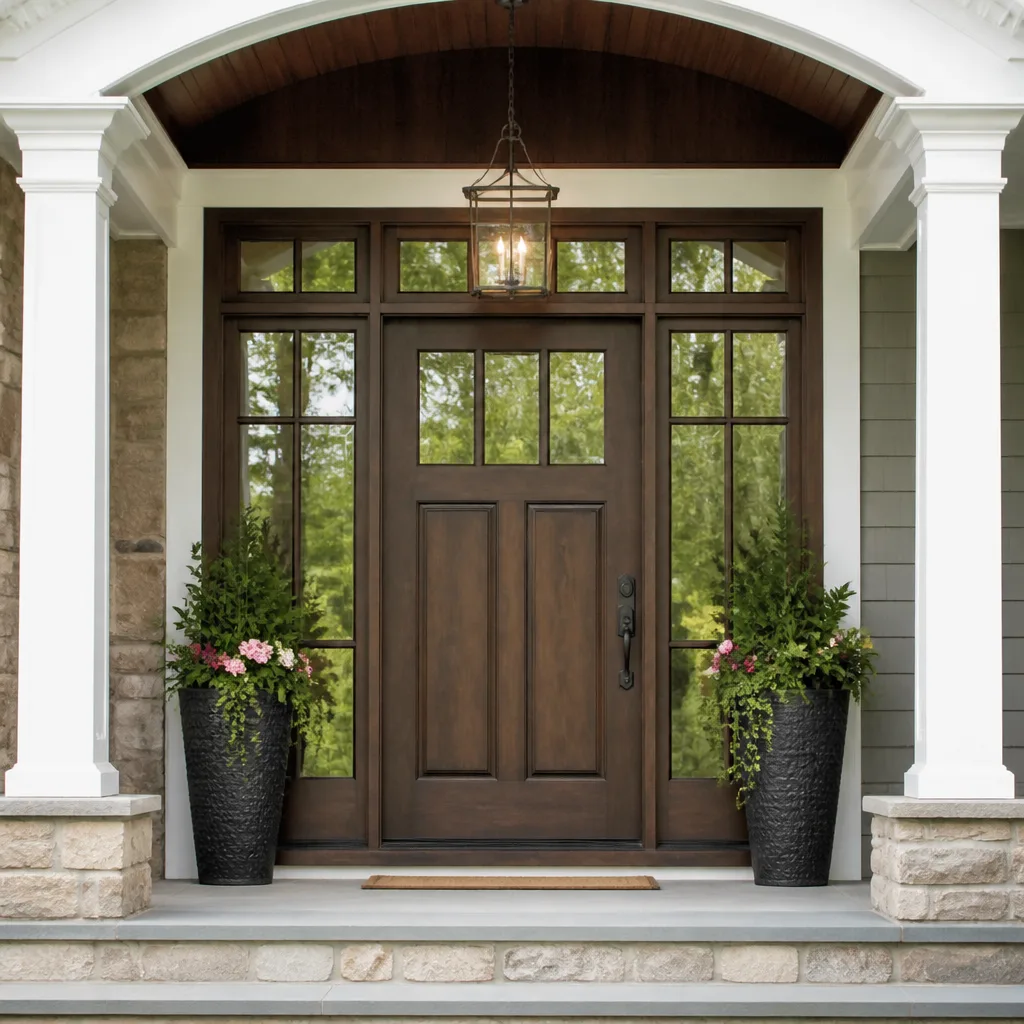 Entry doors
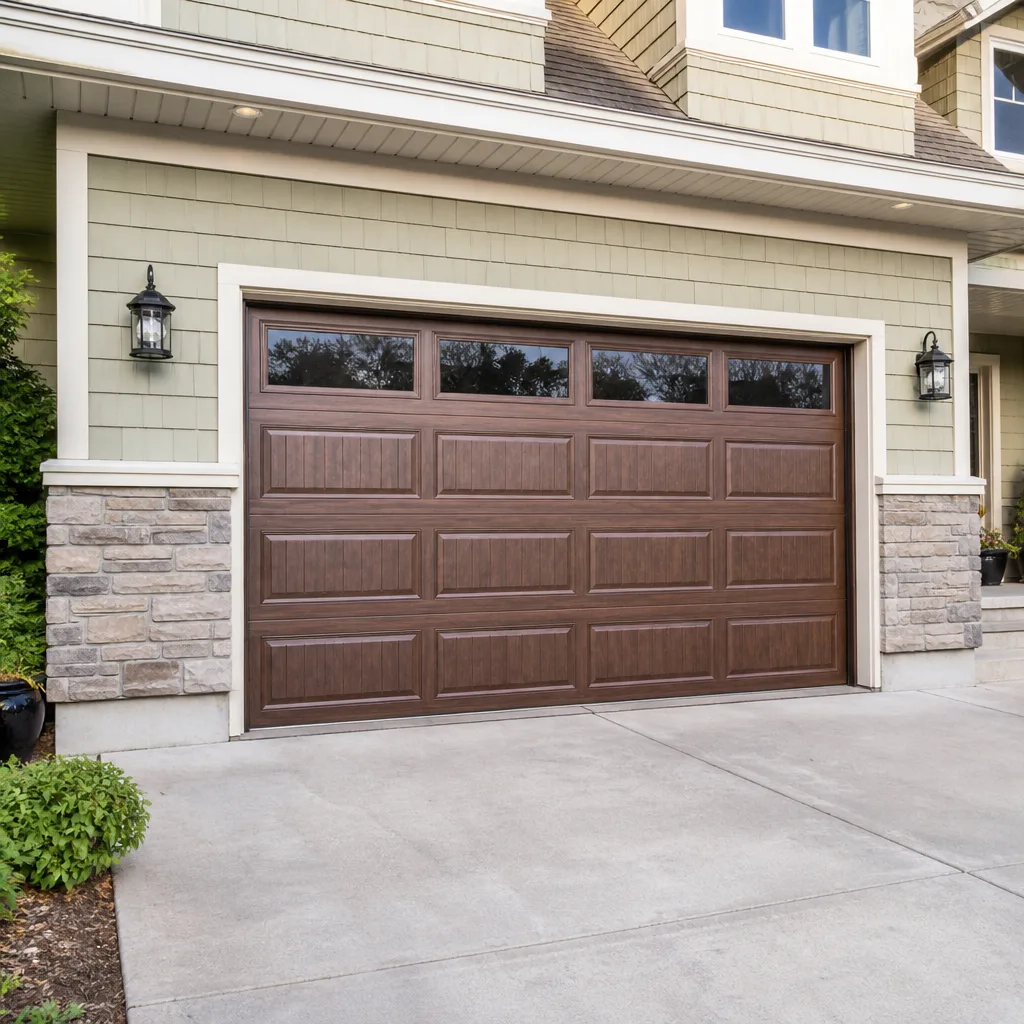 Impact garage doors
 PGT
 CGI
Free in-home measure and quote - PGT, CGI and CWS impact lines compared on your actual openings, style by style
Get your free estimateWindows & Doors Warning Signs: A Redmond Homeowner’s Reference Guide
Most guides to failing windows and doors point at the obvious stuff: cracked glass, a door hanging off its hinges, a window you can see daylight through. By the time a Redmond home reaches that stage, the damage has usually been compounding for a year or more. The signals that actually matter are quieter. A window that fogs between the panes has already lost a meaningful share of its insulating value, yet the sash still opens and closes, the lock still catches, and nothing looks broken from across the room. That’s why these early warnings get filed under “deal with it later” while energy bills climb and moisture works its way into the wall. This guide walks through the subtle signs, teaches you how to tell a harmless quirk from a real failure, and gives you a triage system so you know what needs attention now and what can wait.
Quick Answer
The main warning signs of failing windows and doors are inter-pane fogging, interior trim paint that bubbles or peels, drafts that persist after you’ve checked the weatherstrip, and hardware that takes more force to operate each season. Surface condensation is normal. Fog inside the sealed glass unit, water staining on the sill, or a door frame that’s gone out of square are not. When you see those, it’s time to get a professional assessment rather than wait for the next season.
Styles & brands we work with
- Single hung
- Double hung
- Horizontal roller
- Casement
- Bay & bow
- Sliding glass doors
- Entry doors
- Impact garage doors
- PGT
- CGI
Table of Contents
- Inter-Pane Fogging vs. Surface Condensation: How to Tell the Difference
- Diagnosing a Door Draft: Weatherstrip or Racked Frame?
- What Bubbling Paint on Interior Trim Is Telling You
- Hardware Warning Signs: When Cranks and Locks Start to Slip
- The Severity Triage: Cosmetic, Performance, or Structural
- Why Redmond’s Climate Accelerates Window and Door Wear
- When Warning Signs Point to Replacement Rather Than Adjustment
- Common Mistakes to Avoid
Inter-Pane Fogging vs. Surface Condensation: How to Tell the Difference
Condensation on glass is one of the most misread signals in a home. Homeowners in Redmond see moisture on a bedroom window on a cold morning and assume the window has failed, when in most cases the window is doing exactly what it should. The confusion costs people money in both directions: some replace perfectly sound units, and others ignore a genuinely failed seal because they’ve been told condensation is normal.
The distinction is simple once you know where to look. Surface condensation forms on the room-side face of the glass or on the frame. It wipes away with a cloth. Inter-pane fogging, sometimes called a blown seal or seal failure, happens between the two panes of an insulated glass unit. You can’t reach it. It looks like a milky haze, a white film, or visible water droplets trapped inside the assembly, and it doesn’t clear when indoor humidity drops.
Here’s a diagnostic that settles it in under a minute:
- On a cool morning, note where the moisture sits. Room-side face equals surface condensation. Between the panes equals seal failure.
- Point a hair dryer on its lowest warm setting at the glass from about a foot away, moving it gently across the surface for thirty to sixty seconds. Don’t concentrate heat in one spot on cold glass.
- Watch what happens. Surface condensation evaporates quickly. Fog trapped between the panes stays put, or fades very slowly at the edges.
- Check the inner face of the outer pane by looking at an angle with a flashlight. A fine white film that won’t wipe off is a strong sign the desiccant inside the spacer has been saturated.
Why does this matter beyond aesthetics? A failed sealed unit loses a significant share of its insulating value because the gas fill has escaped and moisture has entered. The frame and the glass still look structurally fine, which is precisely why so many Redmond homeowners live with it through multiple heating seasons. If you’re seeing fog between panes on more than one window, planning a window replacement project makes more sense than chasing individual units.
Diagnosing a Door Draft: Weatherstrip or Racked Frame?
A drafty door has two very different causes, and the fix for one does nothing for the other. That’s why so many homeowners spend money on new weatherstripping and still feel cold air the following winter. Before you buy anything, you need to know which problem you actually have.
Failed weatherstrip shows up as a draft along part of the door’s perimeter, usually at the bottom or along one side. The door itself still sits flush in the frame, the latch catches cleanly, and the gaps between door and jamb stay consistent. Shine a light from outside at night while someone watches from inside. If light leaks through one section but the gaps elsewhere are tight, the seal has flattened or torn.
A racked frame is a different animal. The door opening has gone out of square, so the door no longer fits the way it was built to. Signs include:
- Gaps that widen at one corner and close at the opposite one.
- A door that sticks at the top in summer and swings free in winter.
- The latch or deadbolt needs a push or lift to engage.
- Visible cracks at the interior corners where the casing meets the wall.
- A door that drags on the threshold at one end only.
Racked frames come from foundation movement, settling, or a header that’s shifted. Replacing the weatherstrip on a racked frame is wasted effort because the door will keep pulling away from the seal. Redmond’s mix of older homes on clay-influenced soils and newer construction on graded lots both see this, though for different reasons. When a frame is out of square, the real question is whether the opening can be re-squared or whether it’s time for door replacement with a properly fitted unit. A professional assessment tells you which within an hour.
What Bubbling Paint on Interior Trim Is Telling You
Paint that bubbles, blisters, or peels on the interior side of a window frame almost never means the paint was applied badly. It means moisture is pushing through from behind. The trim is telling you that water has found a path into the wall assembly, and it’s escaping at the easiest point, which is the painted surface.
This is one of the most overlooked signals in Redmond because the moisture direction depends on the season. During the wet months, wind-driven rain hits the exterior and any gap at the window-to-wall junction lets water in. In the cooler months, indoor humidity migrates toward the cold exterior wall and can condense inside the assembly. Redmond’s long damp stretch and cool nights both drive this, so a window that leaked during a storm in one year can bubble paint the next winter for a completely different reason.
What to check when you see it:
- Press gently on the bubbled area. Soft, spongy drywall or trim means active moisture. Hard, crumbly texture suggests an older leak that may have dried out.
- Look for staining, dark discoloration, or a musty smell near the corner. These point to prolonged moisture rather than a single event.
- Check the exterior at the same location. Failed caulk joints, a lifted flashing detail, or a gap under the sill are common culprits.
- Test with a moisture meter if you have one, or have a professional check. A reading above the surrounding dry wall confirms active intrusion.
The trap here is that repainting hides the symptom without fixing the source. Within a season or two, the bubbles come back, and by then the sheathing and framing behind the window may have absorbed enough water to need more than a cosmetic fix. If the paint bubbling is at the perimeter of an older unit and the window is already showing fogging or draftiness, the practical answer is usually a new, properly flashed window installation rather than a patch-and-paint cycle.
Hardware Warning Signs: When Cranks and Locks Start to Slip
Operating hardware fails gradually. A casement crank that used to turn with two fingers now needs a firm grip. A lock that clicked home on the first try needs a second push. A sliding door that glided now requires a shoulder. These small escalations are easy to dismiss as “getting stiff,” but they follow a fairly predictable timeline, and knowing that timeline lets you plan rather than react.
What the signs usually mean:
- Increasing force to operate a casement: the hinge track is wearing, the sash has shifted, or the operator arm is bending. Left alone, the arm eventually strips or snaps, and the window can’t be opened at all.
- A crank that slips or grinds: the gearbox inside the operator is failing. This is usually a replacement part on older units, or a sign the whole operator assembly is at the end of its service life.
- Locks that need a lift or push to engage: the sash has dropped or the strike plate has moved. Left alone, the lock stops securing the window, which matters for both weather sealing and security.
- A sliding door that jumps its track: the rollers are worn flat or the track has debris and damage. If the panel is also difficult to lift out, the frame may be out of level.
In our experience, the gap between “it’s getting stiff” and “it won’t open” is often less than a full season. Homeowners who address the stiffness early sometimes get years more service from the unit. Homeowners who wait usually end up replacing the hardware at minimum, and often the whole window or door once the operator has damaged the sash. If several units in the home are showing the same wear at the same time, it’s a sign they were installed together and are all approaching end of life, which is the point to think about a coordinated replacement rather than piecemeal fixes.
The Severity Triage: Cosmetic, Performance, or Structural
Not every warning sign deserves the same urgency. Sorting what you’re seeing into three tiers tells you whether to get a quote this week or put it on next season’s list. Here’s how we’d frame it for a Redmond homeowner.
| Tier | Signs | What It Means | Timing |
|---|---|---|---|
| Cosmetic | Faded exterior paint, minor scratches, worn handle finish, light surface condensation on cold mornings | No effect on weather sealing or structure | Address when convenient |
| Performance | Inter-pane fogging, persistent drafts after weatherstrip check, hardware stiffness, one window that’s noticeably colder than others | Energy loss is active; the unit still functions | Get a quote this season |
| Structural | Water staining on sill or drywall, bubbling paint at trim, racked door frame, visible gap at the exterior, soft wood around the opening | Water or movement is affecting the wall assembly | Assess within weeks |
Two rules keep the triage simple. First, any sign of water on the interior side of the assembly moves the problem to structural, regardless of how minor it looks. Water finds paths you can’t see. Second, multiple performance-tier signs on the same window or door usually means the unit is finished; one failing element at a time is normal wear, several together is a pattern.
If you’re weighing the cost of replacing one or two windows against a whole-home scope, note that we take replacement and installation projects of three openings or more. That’s worth knowing before you start collecting quotes, so you can plan scope around a single project. Matching product to the opening, the climate, and the budget is what makes window replacement Redmond projects go smoothly rather than turning into a repair loop.
Why Redmond’s Climate Accelerates Window and Door Wear
Redmond homes put their windows and doors through a specific stress pattern. The rainy stretch is long, and the dry, warm months are comparatively short. That means exterior seals, caulk joints, and glazing gaskets spend most of the year wet or damp, then get a rapid dry-out. This wet-dry cycling is what ages a window faster than sun exposure alone, and it’s why a door that’s ten years old in Redmond can look and behave like a door twice that age in a drier place.
Indoor humidity adds the second stress. Redmond homes tend to run higher interior moisture during the cooler months because windows stay closed while showers, cooking, and laundry add water vapor to the air. That vapor migrates toward cold surfaces. Window glass and frames are usually the coldest interior surfaces in a room, so they collect it. On a sound window, this is harmless surface condensation. On a window with a compromised seal, failed weatherstrip, or a small gap in the flashing, that same vapor feeds into the wall assembly.
What this means practically for Redmond homeowners:
- Check exterior caulk and seals each fall, before the wet season settles in. Small gaps are far easier to address early.
- Watch for paint bubbling or staining on the interior side after the first heavy rains, since that’s when intrusion shows up first.
- Keep indoor humidity in a reasonable range during cooler months, especially in bathrooms and kitchens.
- Look at north-facing and shaded windows first. They dry out slowest and show deterioration before sun-facing units do.
When it’s time to replace, this climate is exactly why product choice matters. Lines like CWS and ECO Window Systems are built with thermal performance in mind for residential use, and brands like PGT and CGI give you impact-rated options for the storm events that do occur here. Eight brands, one installer means the recommendation can be matched to your home’s exposure rather than to whatever a single manufacturer happens to offer.
When Warning Signs Point to Replacement Rather Than Adjustment
Some warning signs are fixable with adjustment. A door that needs a hinge tweak, a window whose lock needs a strike plate nudge, a sliding panel that needs its track cleared. But once the core performance of a unit is gone, adjustments won’t bring it back, and continuing to tune a failing unit is money down the drain. Here’s how to tell the difference.
Adjustment usually solves it when:
- The symptoms appeared recently, not gradually over several years.
- The window or door still seals well once the hardware is corrected.
- There’s no fog between the panes and no water staining anywhere on the assembly.
- The frame is square and the gaps at the jamb are even.
Replacement is the realistic answer when:
- Fog or visible moisture appears between the panes, which means the sealed unit has failed.
- Multiple windows in the same installation show similar wear or fogging at once.
- The door frame is out of square and the door no longer seals consistently.
- Paint bubbling or water staining at the trim keeps returning after repainting.
- You’re paying to heat a room that’s noticeably colder than the rest of the house with no other explanation.
There are other signals that are less about failure and more about suitability. If you’re replacing several units anyway, it’s worth looking at brands like Mr-Glass for glass clarity and custom sizing, or ES Windows if energy performance is your priority. Bringing a Therma-Tru entry door into the same project keeps the whole home’s exterior consistent. Every project stays under one roof, which means one schedule, one set of measurements, and one point of contact instead of juggling trades.
Common Mistakes to Avoid
- Assuming all condensation is a problem. Surface condensation on cold mornings is your window doing its job. Only fog between the panes signals a failed unit. Misreading this leads to replacing sound windows.
- Replacing weatherstrip on a racked door. The seal wasn’t the issue, the frame was. New weatherstrip on an out-of-square opening will leak again within a season.
- Repainting bubbled trim without finding the water source. The paint fails again, and the moisture behind it keeps working on the sheathing. Find the intrusion first, then paint.
- Waiting for hardware to fail completely. A stiff crank becomes a broken operator, and a broken operator can damage the sash. Early attention to hardware saves the unit.
- Ignoring one window because it’s the only one. A single failed unit often signals a broader installation age pattern. Check the rest of the home’s windows when you see one go.
- Shopping one brand before you know your scope. Different openings and exposures call for different products. Committing to a brand before an assessment usually means overpaying or underperforming on part of the job.
- Skipping estimates because the problem feels small. The cheapest outcomes come from catching a performance-tier sign before it becomes a structural one. Free estimates exist for exactly this reason.
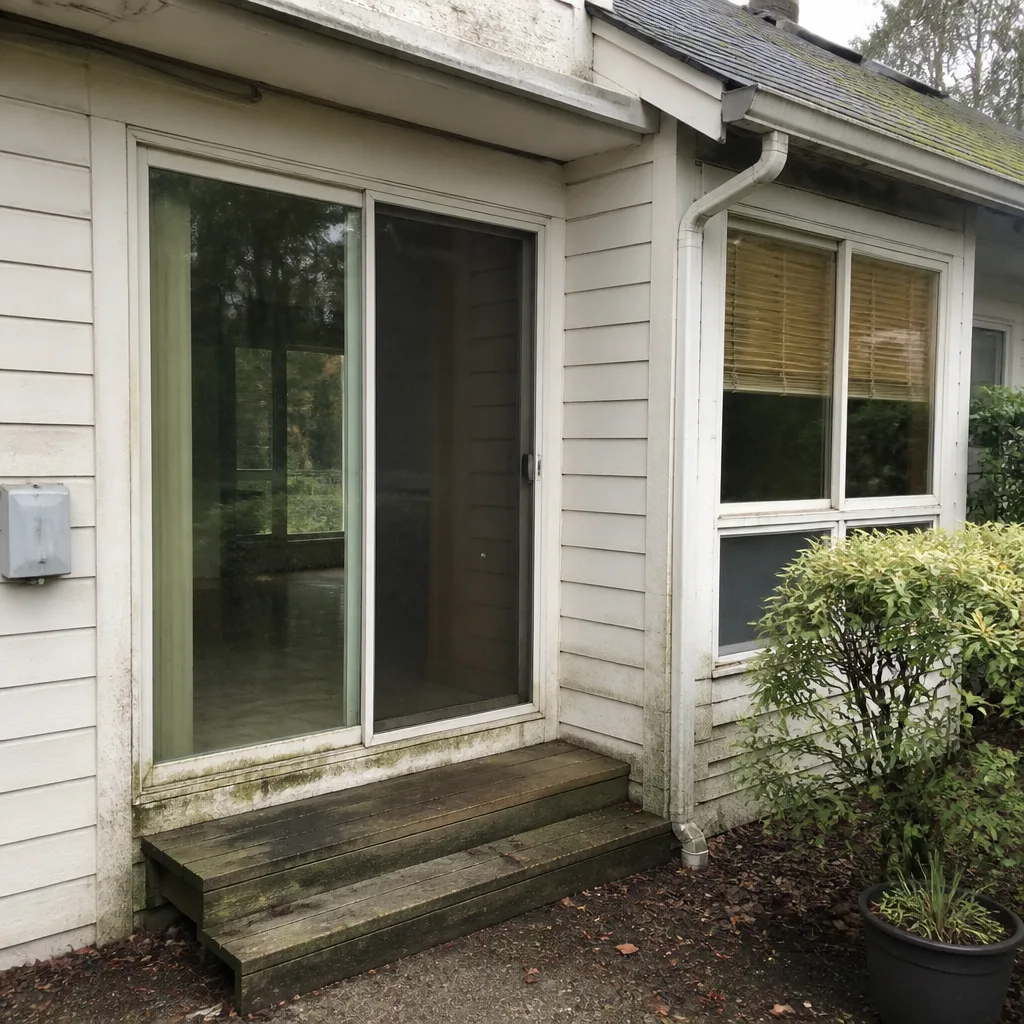
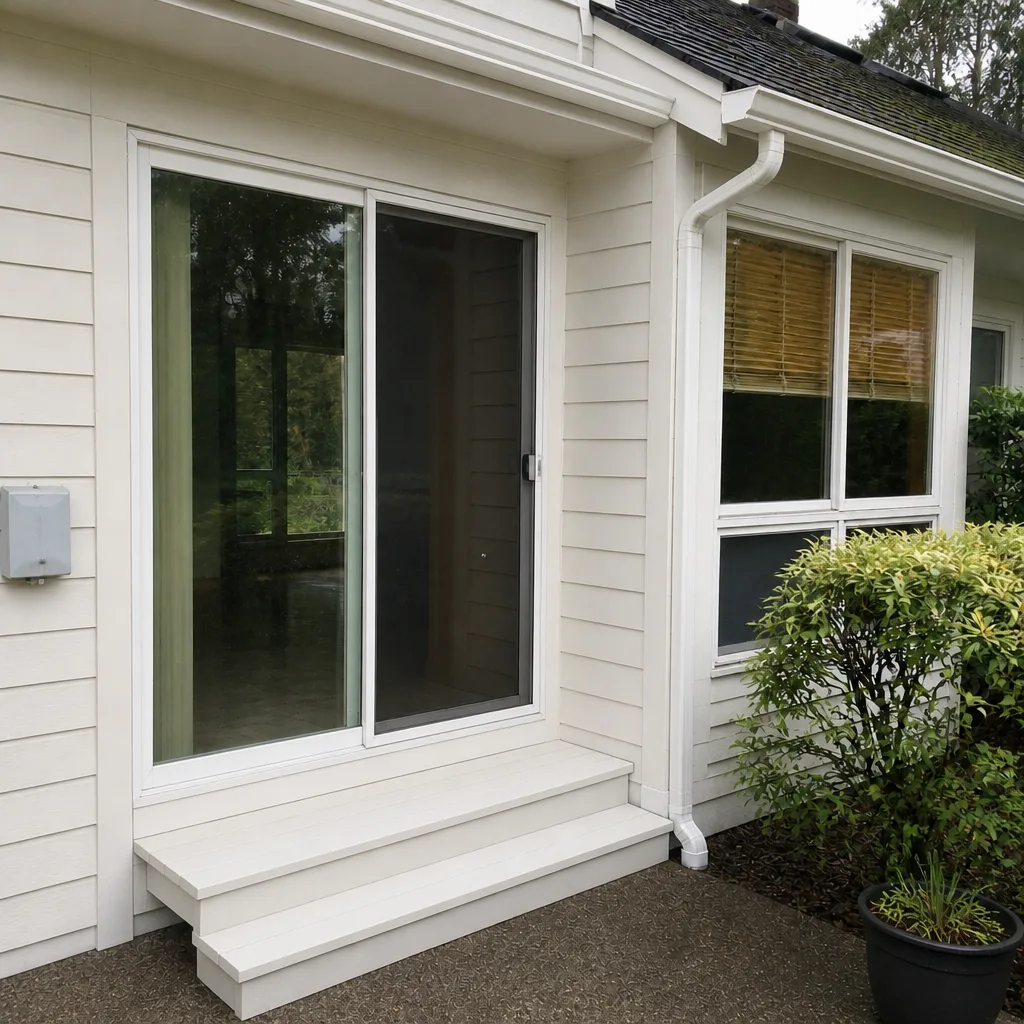
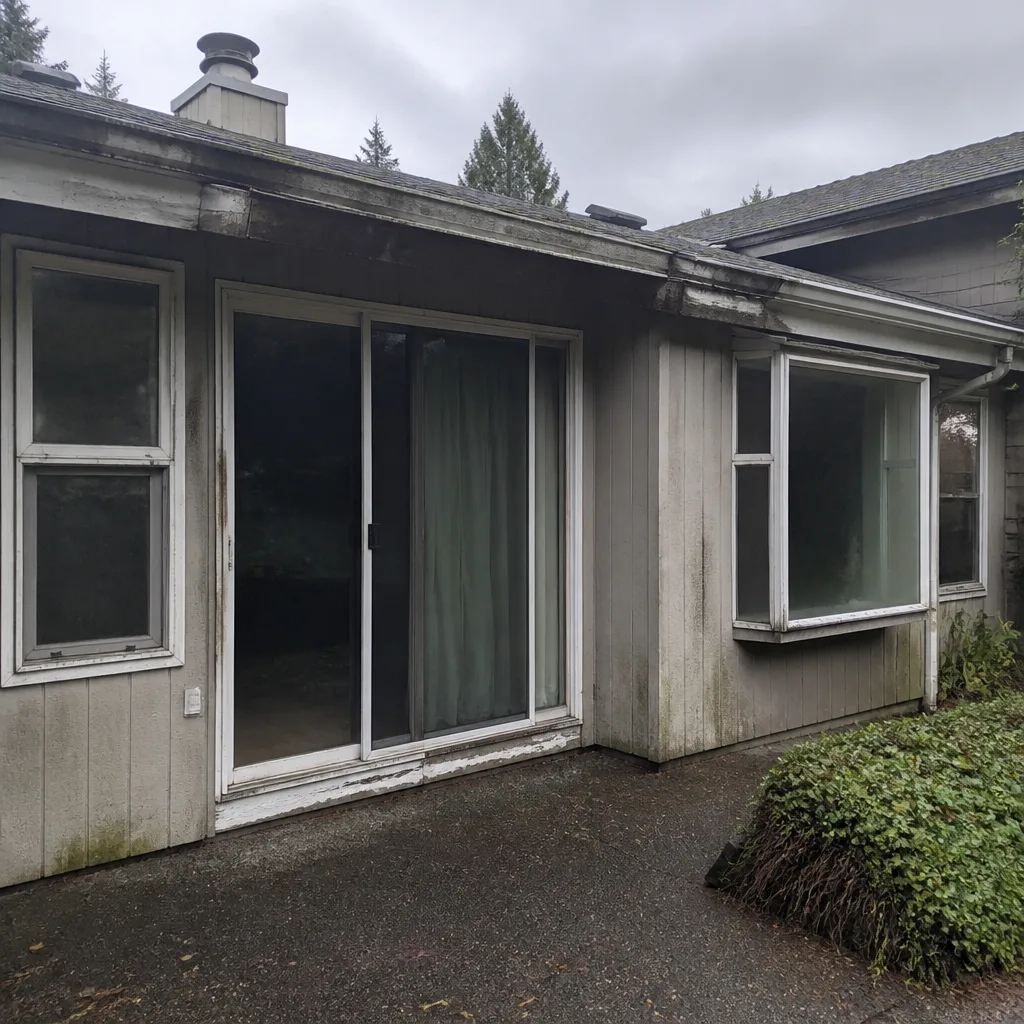
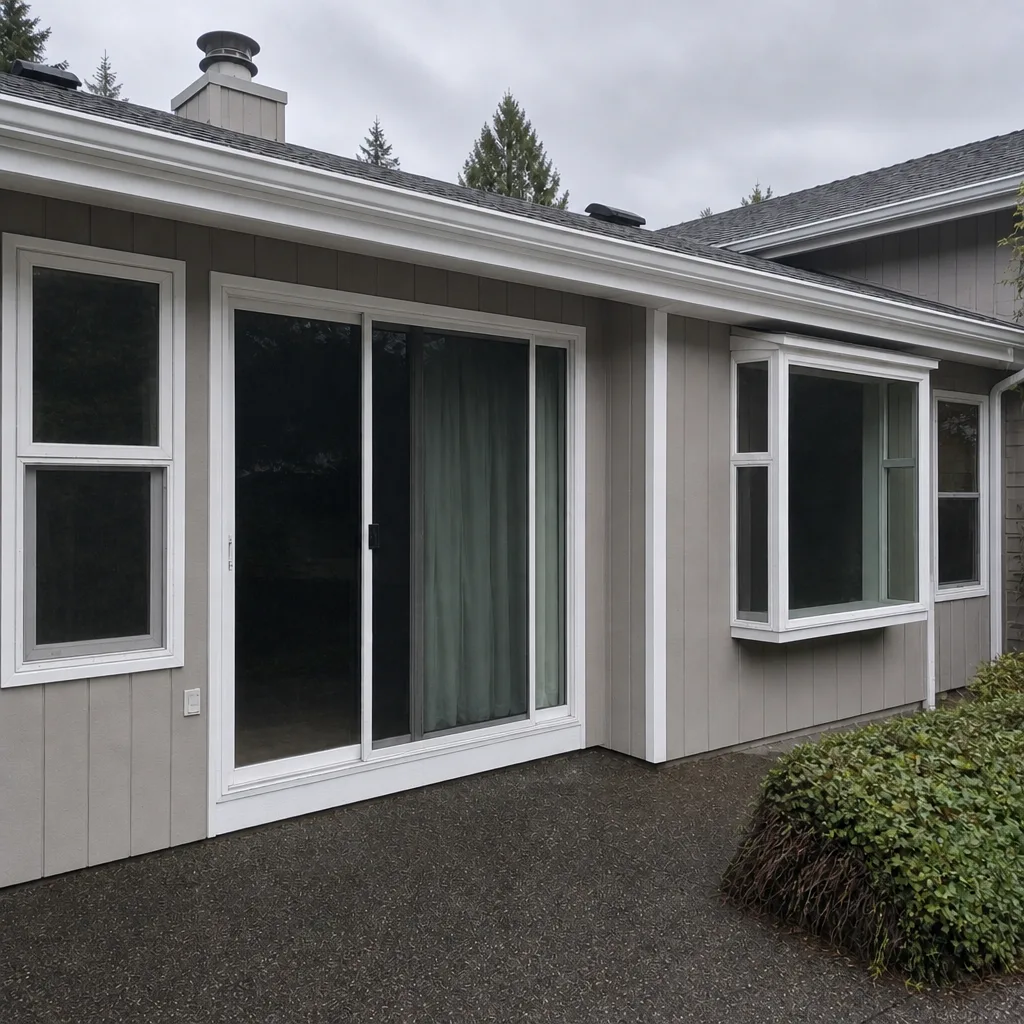
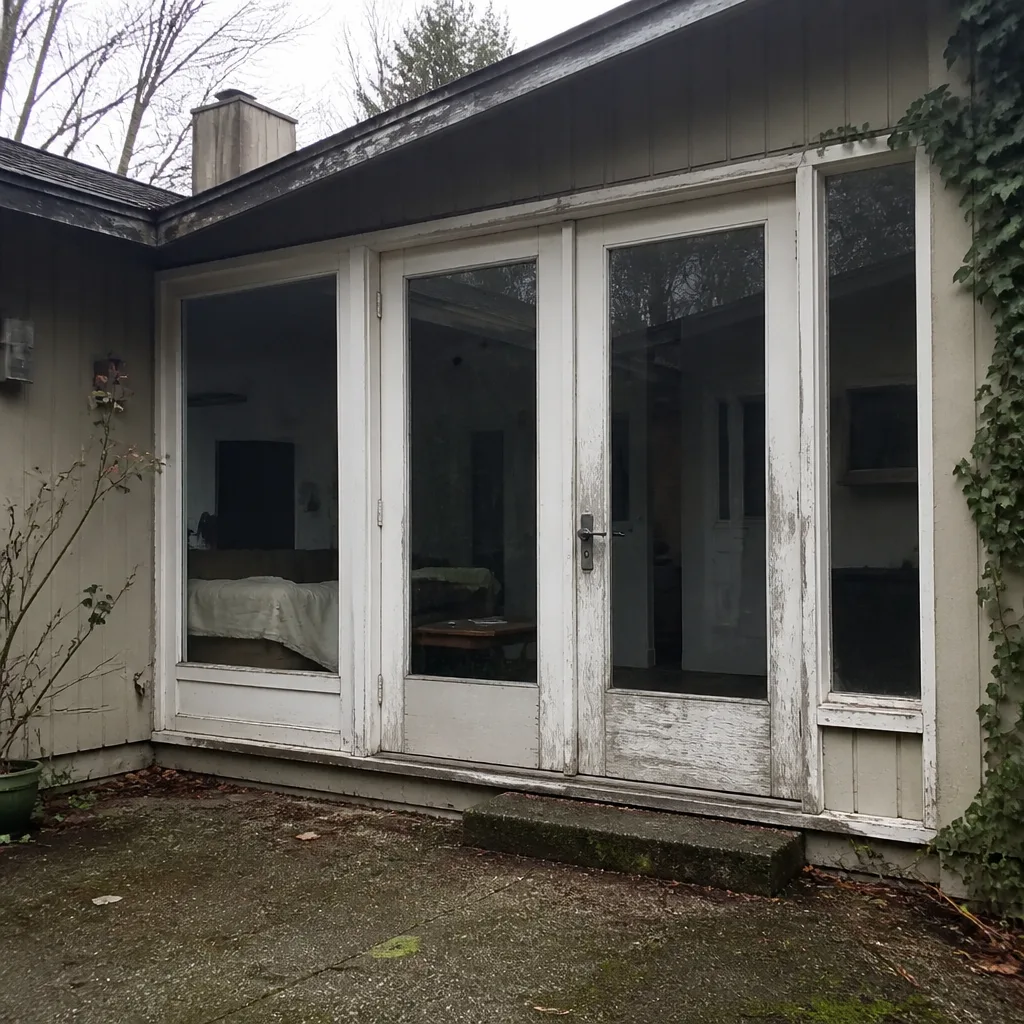
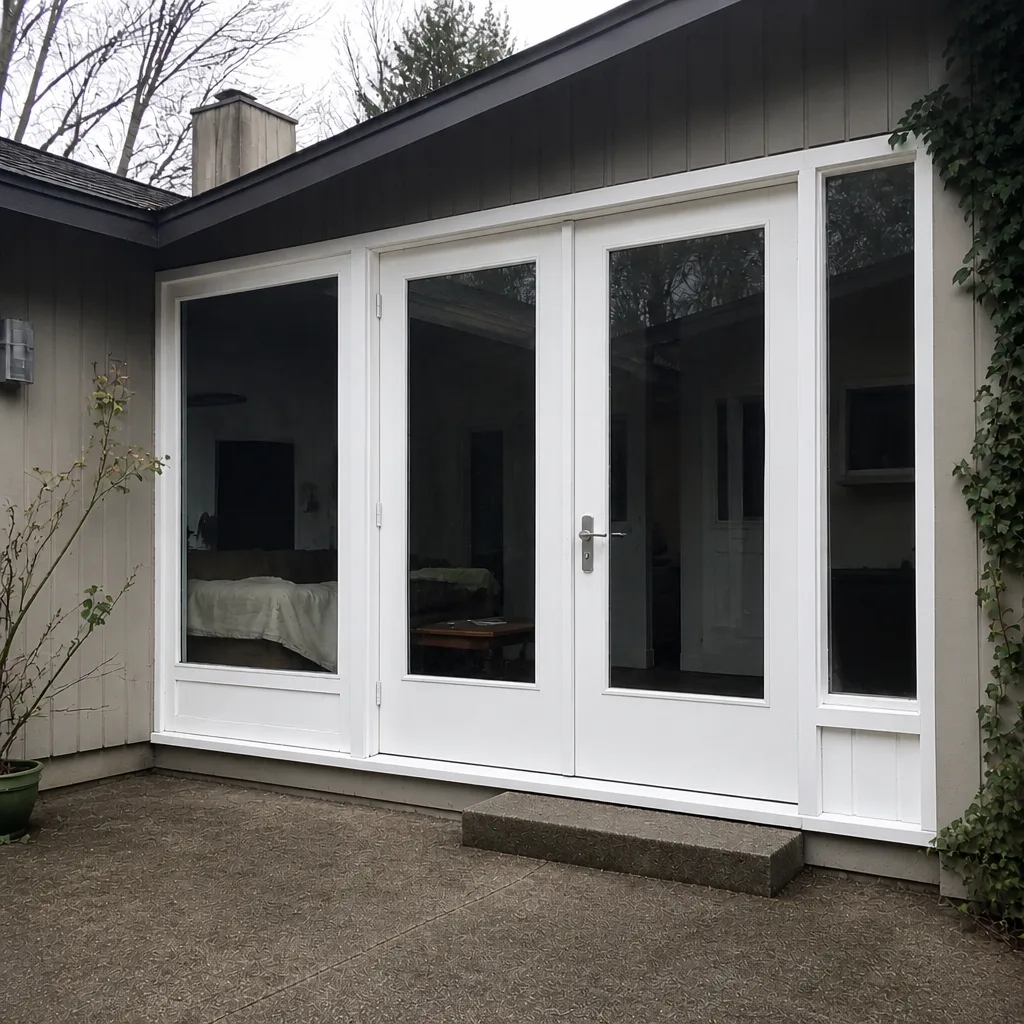
See the difference
 Before
 After
 Before
 After
 Before
 After
When to Call a Professional
Call when you see fog between the panes on any window, water staining or soft wood around a frame, paint bubbling that comes back after repainting, a door that’s gone out of square with visible gaps, or hardware that’s been getting progressively harder to operate. Also call if you’re planning to replace three or more openings and want a real scope assessment before committing to a project. These are the cases where a professional eye saves money, because the fix is clear and the alternative (waiting) only increases cost.
Window Replacement Redmond offers free estimates in Redmond. Call (425) 699-2135 to book yours. Our technicians have up to 13 years of experience, and we work across eight manufacturer brands so the recommendation fits your home rather than the other way around.
Frequently Asked Questions
Yes. If the haze or moisture is trapped between the panes and doesn’t clear when the room’s humidity drops, the sealed unit has failed. Surface condensation on the room-side face is normal and wipes away. The hair dryer test in this guide distinguishes the two in under a minute. Call (425) 699-2135 if you want a professional confirmation.
Check whether the door sits flush in the opening and the gaps at the jamb stay even. If they do and the draft comes from one section, it’s weatherstrip. If one corner gap widens while the opposite closes, the frame is out of square. The two have completely different fixes. Call (425) 699-2135 for an assessment.
It means moisture is moving through the wall assembly and escaping at the painted surface. It’s not a paint problem. During the wet season, it’s usually intrusion from outside; during cooler months, it can be indoor humidity condensing inside the assembly. Either way, get the source checked before repainting. Call (425) 699-2135 for a free estimate.
Often less than a full season. A crank that’s getting harder to turn or slipping usually means the operator is wearing, and once it strips, the window can’t be opened at all. Address stiffness early to get more service from the unit. Call (425) 699-2135 if several windows are showing the same wear.
Yes. We cover windows, sliding doors, and entry doors under one engagement, so the timing and the finish match. That includes Therma-Tru entry doors alongside the window line you choose. Call (425) 699-2135 to schedule a free estimate for a project of three openings or more.
Cost depends on the size, product line, and how many openings the project covers, since a written estimate is what sets the final price. We give line-item quotes with fixed pricing so nothing changes once work starts. Call (425) 699-2135 for your free estimate.
The Bottom Line
The warning signs that cost Redmond homeowners the most are rarely the dramatic ones. They’re the fog between the panes mistaken for normal condensation, the door draft blamed on weatherstrip when the frame is racked, and the trim paint repainted without finding the water behind it. Sort what you see into cosmetic, performance, and structural. Any water on the interior side of a window goes straight to structural. Any fog between the panes goes straight to performance. And any sign that keeps coming back after a patch means the unit is done. Act on the performance-tier signals this season and you’ll avoid the structural-tier costs next year.
Ready to know exactly what’s going on with your windows and doors? Call Window Replacement Redmond at (425) 699-2135 for a free estimate. We work across eight manufacturer brands and handle windows, sliding doors, and entry doors in a single project.
Written by the team at Window Replacement Redmond.