Last updated November 25, 2026
 Sliding glass doors
 Single hung
 Double hung
 Horizontal roller
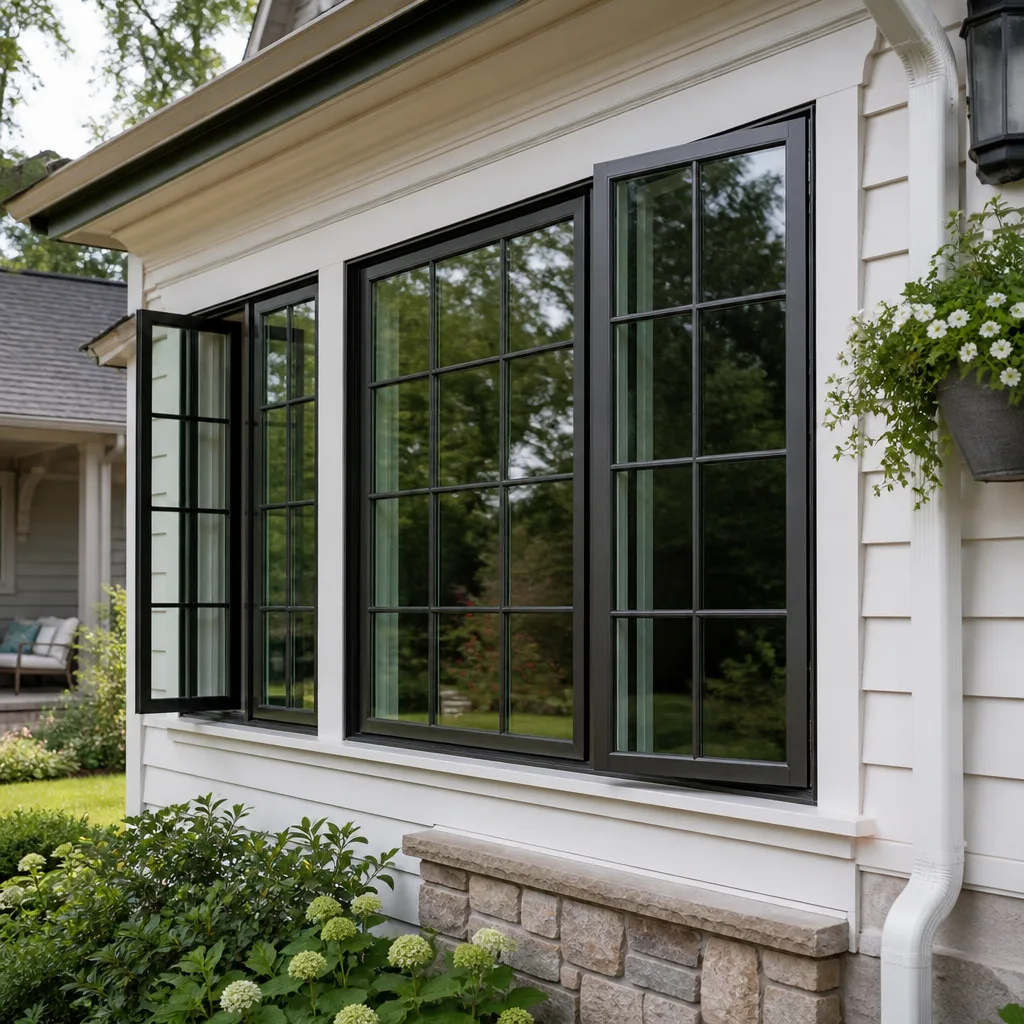 Casement
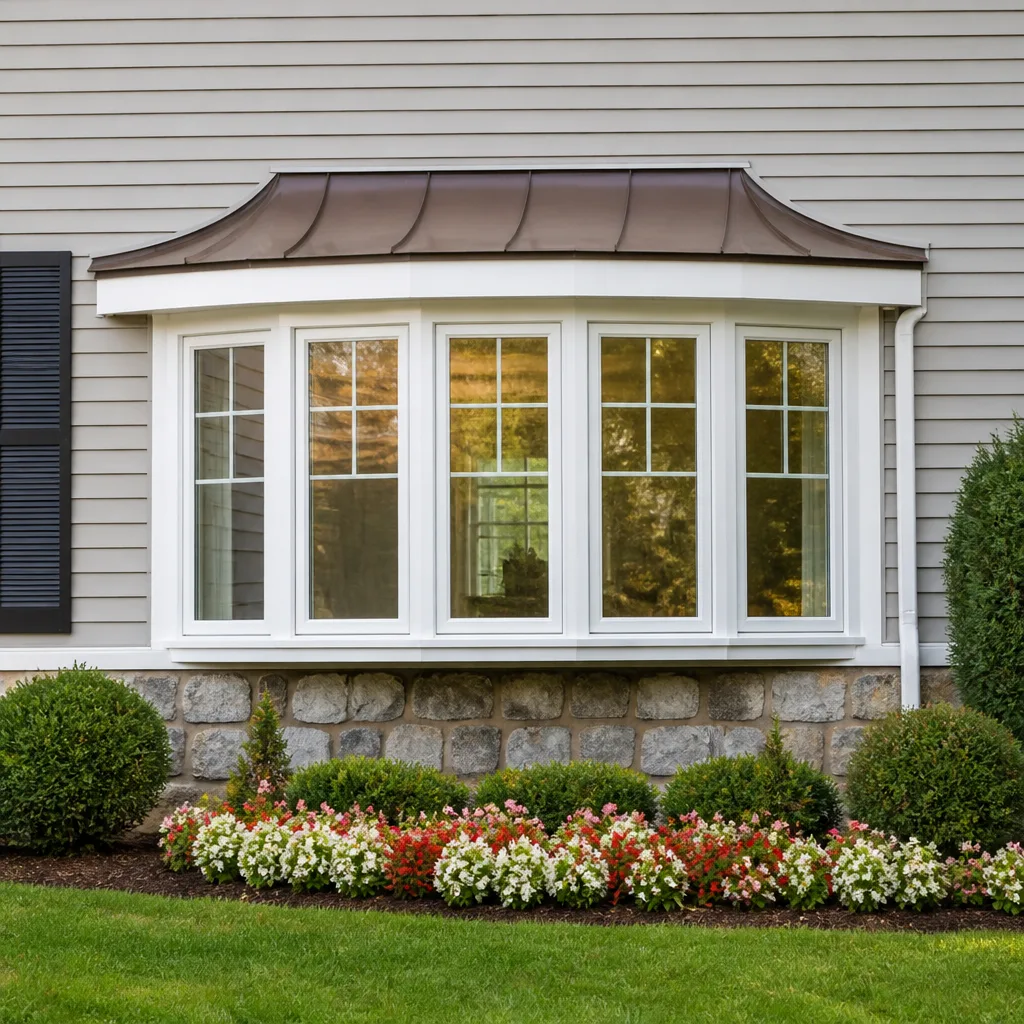 Bay & bow
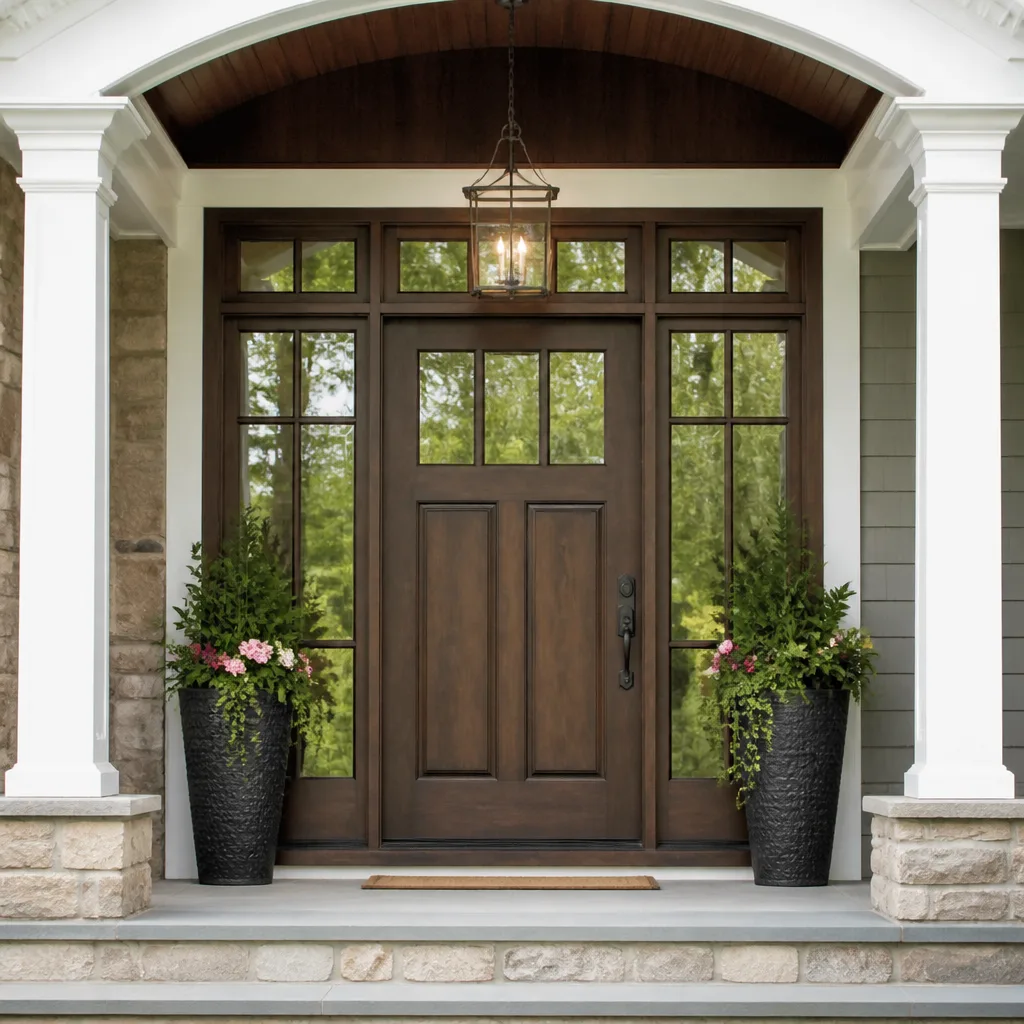 Entry doors
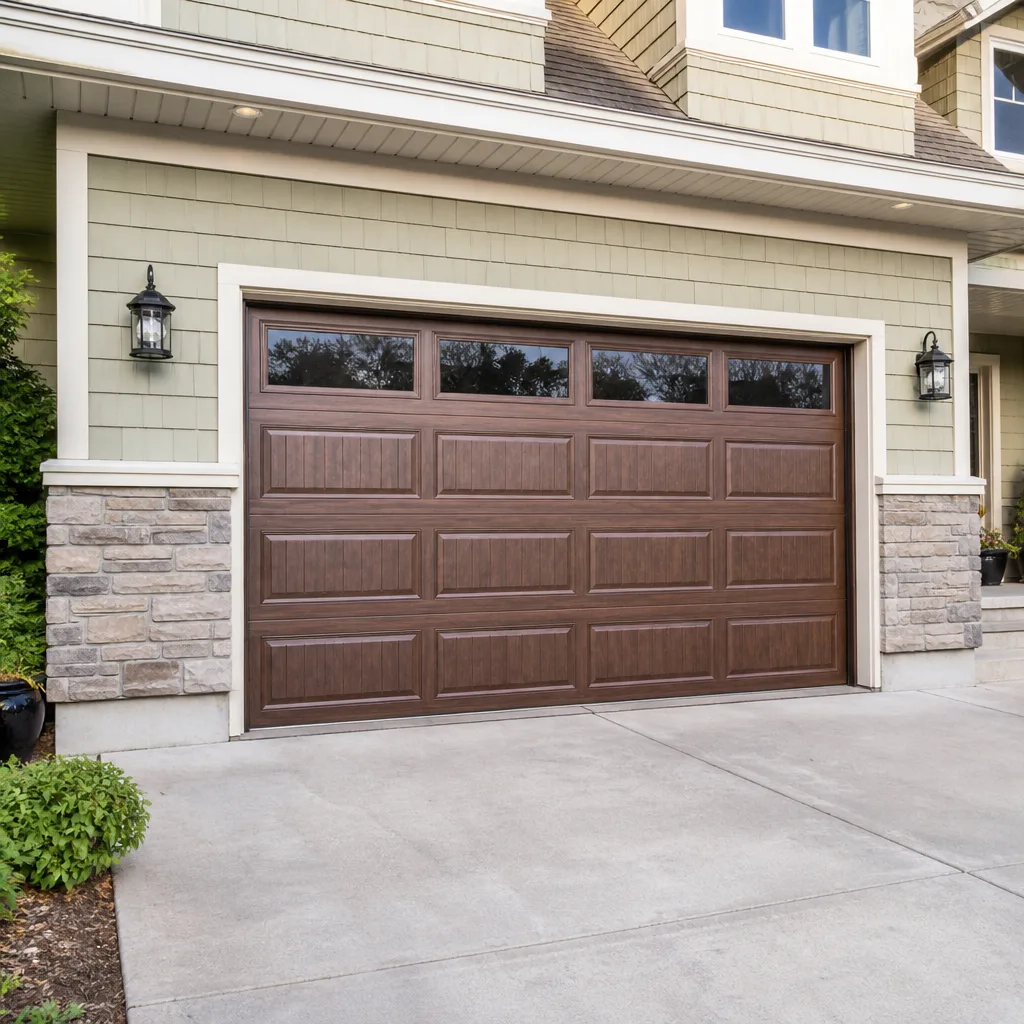 Impact garage doors
 PGT
 CGI
Free in-home measure and quote - PGT, CGI and CWS impact lines compared on your actual openings, style by style
Get your free estimateWindows & Doors Permits, Codes & Inspections in Redmond, WA: What You Need to Know
Most homeowners in Redmond assume every window replacement needs a permit. The opposite is closer to the truth. A like-for-like window insert replacement, where the new unit drops into the existing frame and the opening stays the same size, is often permit-exempt under City of Redmond rules. But the moment you change the rough opening size, add an egress window, or touch a header in a load-bearing wall, you’ve crossed into permitted work. Skipping that permit can surface in a title search at resale and complicate an insurance claim years later. This guide walks through the actual thresholds, the WSEC 2021 energy numbers inspectors check, the inspection sequence, and where unincorporated King County rules differ from city rules. You’ll finish knowing which Redmond projects need a permit and which don’t.
Quick Answer
In Redmond, Washington, a window or door replacement that is truly like-for-like (same size, same location, same operation, no structural change) is typically exempt from a building permit, while any change to the rough opening, a new opening cut into a wall, an added egress window, or work involving a header or load-bearing wall requires a permit and inspections. Separately, every replacement unit must still meet WSEC 2021 energy code minimums for U-factor and SHGC regardless of whether a permit is pulled, and a licensed installer is expected to source products that meet those numbers. The permit question and the energy code question are two different hurdles, and homeowners often confuse them.
Styles & brands we work with
- Single hung
- Double hung
- Horizontal roller
- Casement
- Bay & bow
- Sliding glass doors
- Entry doors
- Impact garage doors
- PGT
- CGI
Table of Contents
- Does a Window Replacement Need a Permit in Redmond?
- City of Redmond vs. Unincorporated King County Rules
- WSEC 2021 Energy Code: U-Factor and SHGC Explained
- Egress Window Requirements for Redmond Basement Bedrooms
- The Inspection Sequence: Rough-In, Flashing, and Final
- What Happens When Work Is Done Without a Permit
- Doors, Sliding Doors, and Header Work
- How to Choose a Contractor Who Gets This Right
Does a Window Replacement Need a Permit in Redmond?
It depends on whether the project is a replacement or a modification. That single distinction drives almost every permit decision in Redmond. Replacement means a new unit goes into an opening that already exists, at the same size, in the same location, with the same basic function. Modification means the opening itself changes, or the wall around it does.
The City of Redmond’s permit threshold generally follows this logic:
- No permit typically required: like-for-like window insert replacement where the rough opening is unchanged and no structural members are altered. Same for a standard entry door swap in the existing frame.
- Permit typically required: enlarging or reducing a window opening, cutting a new opening in an exterior wall, converting a fixed window to an operating one where framing changes, adding an egress window to a basement or bedroom, or replacing a header above a wide opening.
- Permit and structural review: any work that removes, cuts, or reinforces a load-bearing header. This is where a simple-sounding “widen the window” job becomes a structural project.
This is the part that trips people up. Homeowners hear “window replacement doesn’t need a permit” and assume that covers every scenario. It doesn’t. Swapping a 36-by-60 double-hung for a new 36-by-60 double-hung in the existing frame is one thing. Turning a 36-by-60 into a 48-by-72 picture window is a different job with a different permit path.
Before you order product, confirm which scenario you’re in. The city’s permit desk can tell you in a short conversation, and it’s better to know before the units ship. In our experience, the cost of a permit and inspection is small next to the cost of redoing framing after the fact.
If you’re planning a full-house project, our guide to window replacement Redmond covers how a multi-opening scope is sequenced from measurement through final inspection.
City of Redmond vs. Unincorporated King County Rules
Where your property sits determines whose rules you follow. Redmond has a defined city boundary, and parcels inside it fall under City of Redmond building jurisdiction. Parcels in the surrounding unincorporated areas of King County fall under King County’s permitting authority instead. The two systems are similar in spirit but not identical in practice, and the differences matter at the margins.
Why this matters for a Redmond homeowner:
- Neighborhoods and addresses inside the city limit are reviewed by the City of Redmond, and the city’s own permit threshold for replacement work applies.
- Parcels just outside the boundary, including some rural and semi-rural properties on the edges of the Redmond area, are reviewed by King County, which has its own submittal requirements and its own interpretation of replacement versus modification.
- Inspection scheduling, review timelines, and the specific documents requested can differ between the two jurisdictions even for comparable work.
- Septic, well, and setback considerations on county parcels can add requirements that never come up on a platted city lot.
If you’re not certain which jurisdiction your address falls under, check before you plan. A quick lookup on the county’s parcel viewer or a call to the city will settle it. Getting this wrong doesn’t just delay things. You can end up with a permit issued by the wrong authority, which is functionally the same as no permit at all when you go to sell.
We work in Redmond and the surrounding King County area, and we’ve learned to confirm jurisdiction before product is ordered. It’s a five-minute check that prevents a five-week problem.
WSEC 2021 Energy Code: U-Factor and SHGC Explained
Washington State’s energy code, WSEC 2021, sets minimum performance standards for windows and doors. These apply whether or not you pull a permit. That’s the critical point: the energy code is a product standard, not a paperwork exercise. Inspectors check the numbers on the label, and a unit that falls short of the minimum is a failed inspection regardless of how neat the installation looks.
Two numbers drive the compliance conversation:
- U-factor: how fast heat moves through the whole window assembly. Lower is better. It’s the inverse of R-value, so a low U-factor means a better-insulating unit.
- SHGC (Solar Heat Gain Coefficient): how much solar heat the window lets in, measured from 0 to 1. Lower means less heat gain. In a climate like Redmond’s, where summer cooling loads are modest but real, SHGC is less critical than U-factor for most homes, though west-facing glass still benefits from a lower number.
Here’s the distinction competitors gloss over. New construction and replacement are treated differently under WSEC 2021. New construction is evaluated on the whole-building envelope and must hit prescriptive or trade-off targets for the assembly. Replacement work typically follows the code’s replacement-specific provisions, which are framed around the performance of the new unit going into the existing opening, not the whole assembly. In practical terms, a replacement window has to meet the U-factor and SHGC minimums for its climate zone, but it doesn’t have to solve for the entire wall.
Redmond sits in a climate zone where the U-factor requirements are meaningfully stricter than what you’d see in the southern part of the state. That’s why product selection matters. Not every budget window line meets Washington’s numbers. The brands we work with, including PGT and ES Windows, offer lines engineered to hit WSEC 2021 thresholds without forcing you into the most expensive tier. When we recommend a product, we’re matching it to the code requirement first, then to your budget and aesthetic.
Ask your contractor for the NFRC label values on any unit quoted. If they can’t produce them, that’s your answer.
Egress Window Requirements for Redmond Basement Bedrooms
An egress window is a code-required escape path from a sleeping room. In Redmond, as in the rest of Washington, egress requirements for bedrooms are governed by IRC Section R310, which the state has adopted into its residential code. If a basement room is used as a bedroom, it needs an egress window that meets the size and operation standards. If you’re finishing a basement and adding a bedroom, or converting an existing below-grade space into a legal bedroom, that’s permit-level work.
The IRC R310 requirements that actually get checked:
- Clear opening size. The window must provide a clear opening that meets the code’s minimum area and minimum dimensions in both width and height. Both the area test and the dimension test have to pass.
- Sill height. The bottom of the clear opening can’t be higher than the code maximum above the floor. This is the number that kills a lot of basement designs, because a below-grade window well often puts the sill higher than the limit allows.
- Operation. The window must open without keys, tools, or special knowledge, and the opening must be reachable from inside the room.
- Window well. Where the egress window opens into a below-grade well, the well itself must meet minimum horizontal dimensions and have a ladder or steps if the well depth exceeds the code threshold.
Basement egress in Redmond has a specific wrinkle. Many of the area’s residential builds sit on sloped lots, and a “basement” on the downhill side is often a daylight basement with a walkout. In those homes, the egress requirement may be satisfied by a door or a full-height window on the daylight wall. On a true below-grade foundation, though, you’re cutting a new opening in a concrete or block wall and installing a window well, which is squarely in permitted territory. It changes the foundation, the drainage, and the wall assembly.
If you’re planning a basement bedroom as part of a larger project, an window installation scope has to be coordinated with the framing and the well excavation, not bolted on afterward. We’ve seen projects where the egress window was specced after the drywall went up, and the rework was more expensive than the window.
The Inspection Sequence: Rough-In, Flashing, and Final
When a permit is required, the work is inspected in stages. Each stage has to pass before the next one proceeds. Knowing what each inspector looks at helps you understand why the sequence isn’t optional, and it helps you ask better questions of whoever is doing the work.
The typical sequence for a permitted window or door replacement in Redmond:
- Rough-in inspection. Before the unit is set and before anything is closed up, the inspector looks at the framed opening. They check that the rough opening dimensions match the approved plans, that the header is sized correctly for the span, that framing members are sound and properly fastened, and that any structural work matches what was engineered. If a header was replaced, this is where it gets verified.
- Flashing and weather barrier inspection. Once the unit is set but before siding or trim covers the perimeter, the inspector checks the flashing detail. They look for the correct shingle-lap sequence, proper integration with the weather-resistive barrier, sill pan flashing, and sealed corners. Redmond’s wet winters are why this stage exists. A window that’s installed tight but flashed wrong leaks for years before anyone notices.
- Final inspection. After the unit is fully installed and trimmed, the inspector verifies the operation of the window or door, checks that the glazing label values meet WSEC 2021, confirms egress dimensions where applicable, and signs off that the permitted scope is complete. This is the inspection that clears the permit record.
Some jurisdictions fold rough-in and flashing into one visit and some keep them separate. The city’s permit desk will tell you which applies to your project. What doesn’t vary is the reason for each stage: the inspector is verifying work that will be buried and unreachable once the job is closed up.
We schedule inspections to align with installation milestones so nothing gets covered prematurely. If an inspection fails, the fix usually costs far more than scheduling the visit correctly the first time.
What Happens When Work Is Done Without a Permit
Skipping a required permit in Redmond creates two separate problems, and homeowners tend to underestimate the second one. The first is a code enforcement issue: the city can require the work to be permitted retroactively, which often means opening walls to expose framing that was already finished. The second is a transaction problem, and it’s the one that bites at resale.
In Washington, sellers are required to disclose known material defects and unpermitted work on the residential seller disclosure statement. Unpermitted window or door work that changed the structure, added an egress window, or modified a header is exactly the sort of thing that disclosure is meant to capture. A buyer’s title search and inspection can surface permitted vs. unpermitted discrepancies, and an unpermitted structure or alteration can stall a sale, reopen price negotiations, or force retroactive permitting at the seller’s expense.
The insurance side is just as real. If a window leaks and damages interior finishes, or a door that was improperly installed in a modified opening fails and lets water in, an insurer investigating the claim will look at whether the work was permitted and inspected. Coverage can be disputed when a loss is traceable to work that never went through the process. That’s not a scare tactic, it’s how claims review works.
There’s a third consequence that’s harder to quantify: a permitted, inspected, and finaled project is documented. The paperwork becomes a selling point. An unpermitted project becomes a question mark, and question marks cost money at the closing table. If you’re working with a contractor who suggests skipping a permit to save time, that’s the moment to find a different contractor. The permit is cheap compared to the exposure.
Doors, Sliding Doors, and Header Work
Doors follow the same replacement-versus-modification logic as windows, with one addition: the header. A standard entry door swap in an existing frame is a replacement and generally exempt. But a sliding door replacement where the opening width changes, a patio door converted to a wider slider, or an entry door widened to a double door all involve the header above the opening, and the header is where structural review kicks in.
The scenarios in Redmond that most often need a permit:
- Widening an existing door opening. The header span changes, and the header has to be resized or reinforced to carry the load above it.
- Converting a window to a door. New opening in a wall, new threshold, new header sizing, and often a new foundation or slab cut at the sill.
- Replacing a sliding door with a larger multi-panel system. The header and the track footprint both change.
- Adding an exterior door to a wall that didn’t have one. New opening, structural review, and usually a step or landing at the exterior side.
Entry doors and sliding doors get the same WSEC 2021 treatment as windows, with their own U-factor and SHGC limits, and they’re checked at the final inspection. A door replacement scoped as like-for-like clears the permit question quickly; one that changes the opening doesn’t.
Therma-Tru entry door systems are a common choice for Redmond projects where homeowners want a nationally recognized door paired with a window line from the same project scope. Matching door and window performance targets across a single project is easier when one contractor handles both, which is the practical reason we keep windows and doors in a single engagement.
How to Choose a Contractor Who Gets This Right
The permit and code questions are answered by whoever you hire. A contractor who understands the Redmond threshold, knows WSEC 2021, and can explain the inspection sequence in plain language is worth more than one who quotes a lower number and hand-waves the paperwork. Here’s what to look for when you’re comparing bids.
- They ask about jurisdiction first. A good contractor confirms whether your address is City of Redmond or unincorporated King County before quoting, because it changes the submittal requirements.
- They can state the WSEC 2021 U-factor and SHGC for the units they’re proposing. Not a vague “energy efficient” claim. The actual NFRC label values.
- They’re clear about the permit threshold. They should tell you in writing whether your specific project needs a permit and why, not give you a blanket yes or no.
- They pull the permit when one is required and schedule the inspections. The permit should be in the contractor’s name for the work they’re performing, with the inspections arranged around the install milestones.
- They offer real product choice. A contractor authorized across multiple manufacturer lines, including a range that covers impact-rated, energy-efficient, and architectural options through brands like PGT, CGI, and CWS, can match the product to your code requirement and budget rather than pushing the one line they stock.
- They carry licensing and insurance as the state requires. Ask for documentation. It’s a normal request and a reasonable contractor expects it.
We handle window replacement in Redmond as a specialist, not as one line item among many trades, which is why we stay current on the city’s permit threshold and the state’s energy code updates. Our technicians have up to 13 years of experience. We work with products from eight manufacturer brands, so the recommendation is matched to your opening, your climate, and your budget. We take window and door projects of three openings or more.
Common Mistakes to Avoid
- Assuming “no permit needed” covers every replacement. A like-for-like insert is often exempt, but a size change or an egress addition is not. Confirm your specific scenario before ordering product.
- Confusing the energy code with the permit. WSEC 2021 applies to the product whether or not a permit is pulled. A unit that doesn’t meet the U-factor minimum is non-compliant even on an exempt replacement.
- Ordering windows before confirming jurisdiction. A City of Redmond parcel and an unincorporated King County parcel have different submittal requirements. Getting this wrong can mean a permit issued by the wrong authority.
- Skipping the flashing inspection on a covered-up stage. In Redmond’s wet climate, a flashing detail that never gets inspected is a leak waiting for the first hard winter. Don’t let anyone close up the opening before that stage is verified when a permit requires it.
- Treating a basement bedroom as a window swap. Egress requirements under IRC R310 involve the opening size, the sill height, and the window well. It’s a permitted project, not a replacement.
- Choosing a contractor on price alone without asking about permits. A bid that doesn’t include permit and inspection costs isn’t cheaper. It’s incomplete, and the gap shows up later.
- Ignoring the disclosure and insurance exposure. Unpermitted structural work can stall a Washington home sale and complicate an insurance claim. The paperwork matters as much as the install.
See the difference
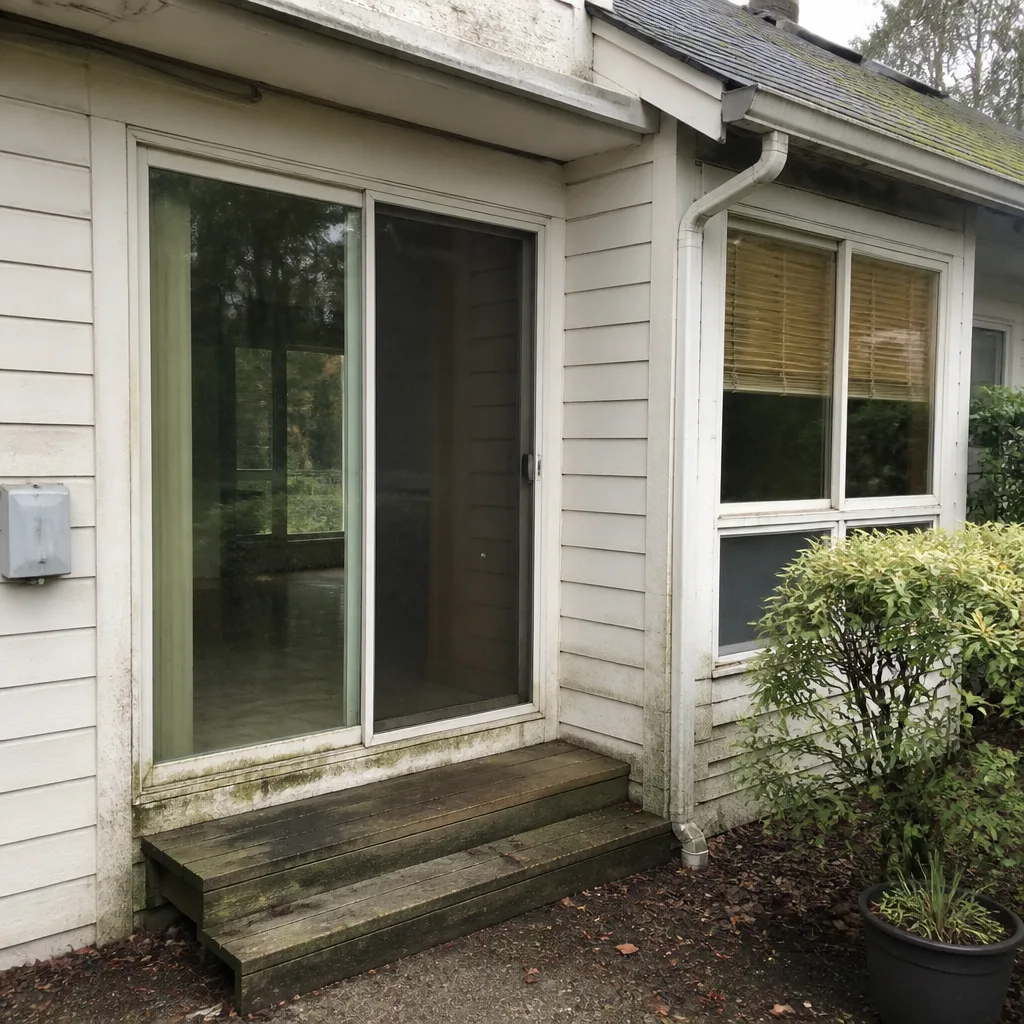 Before
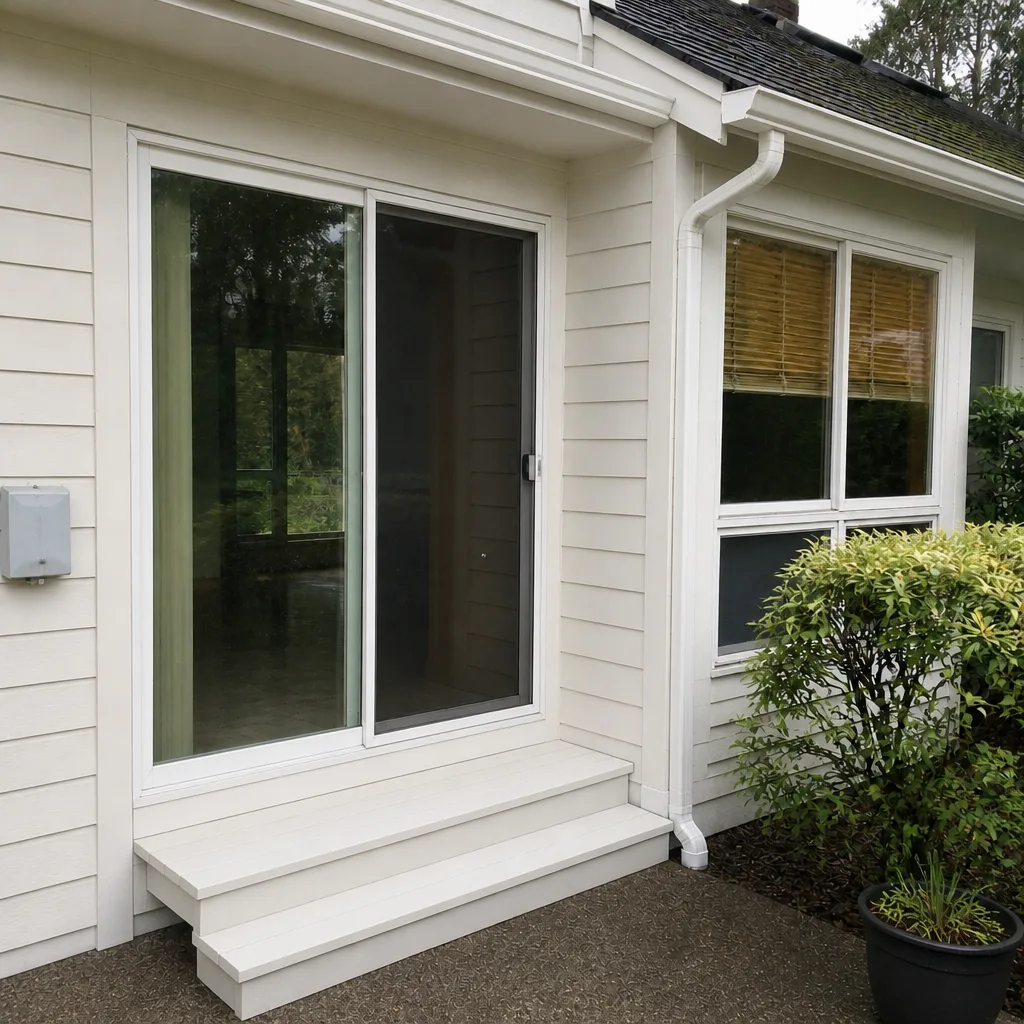 After
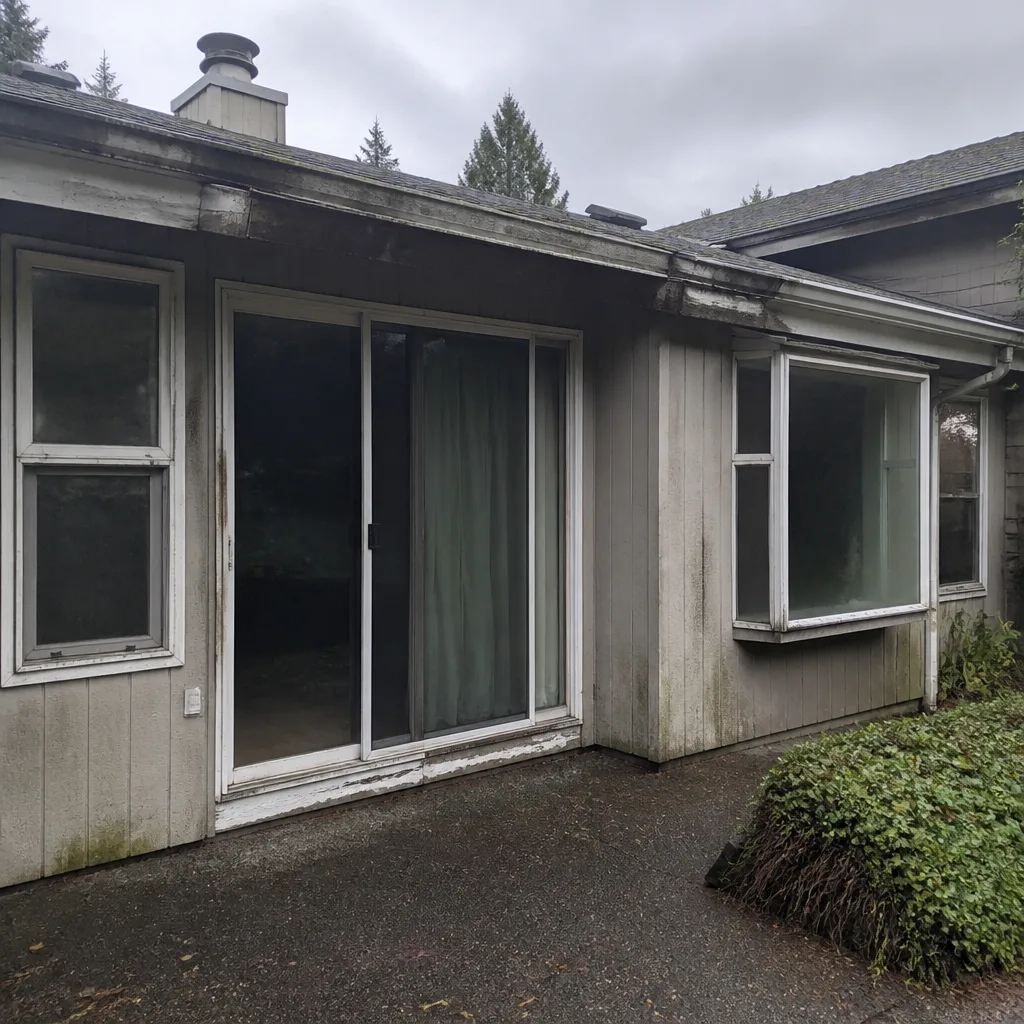 Before
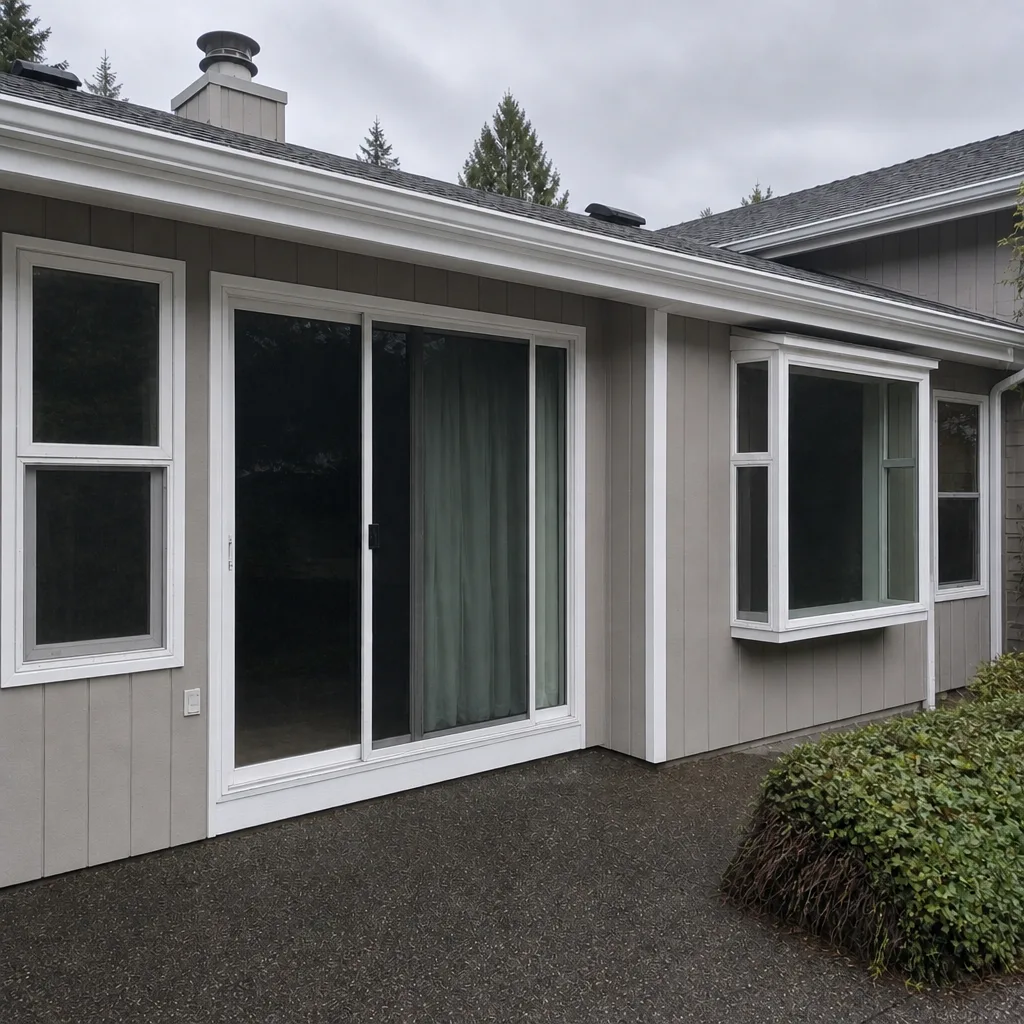 After
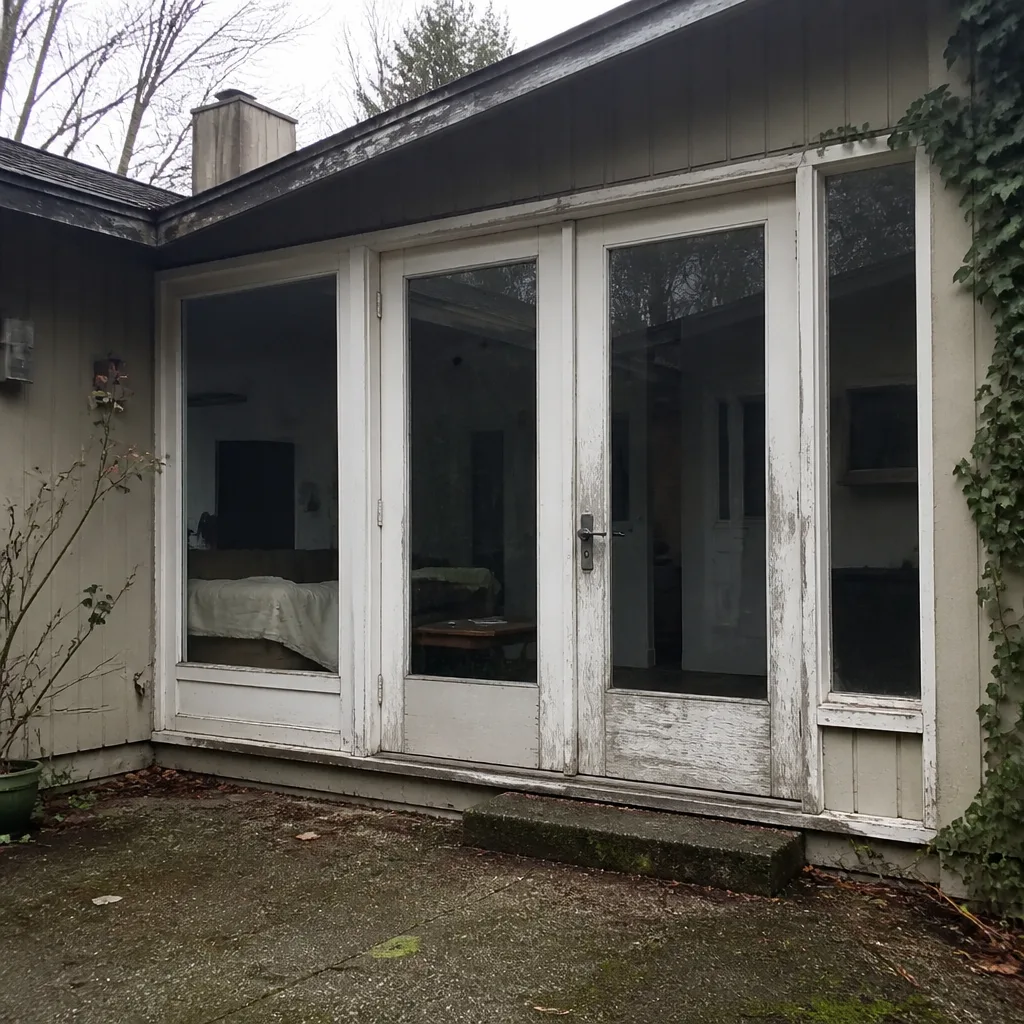 Before
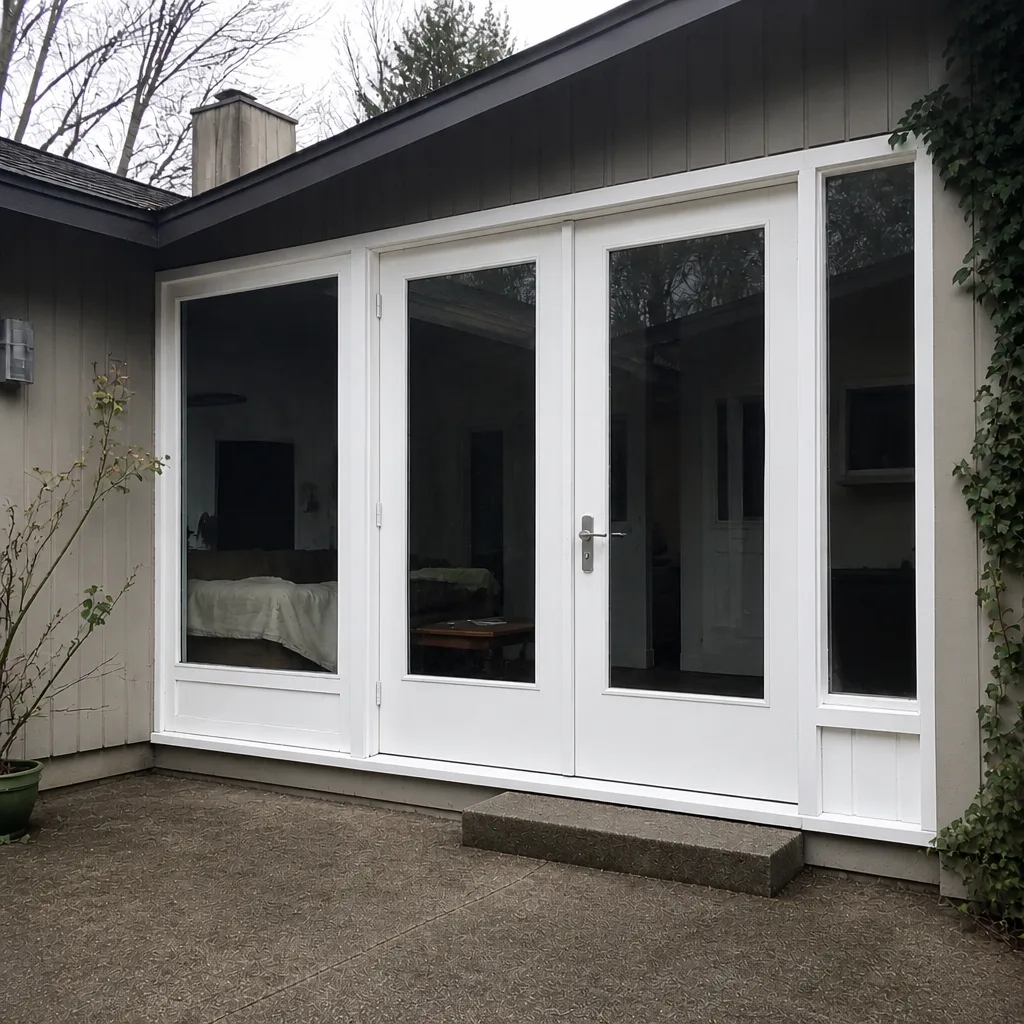 After
When to Call a Professional
Call a professional when your project involves any change to the rough opening, a new opening cut into an exterior wall, an egress window for a basement bedroom, a header, or a load-bearing wall. Those are permitted, structural-influencing jobs that a homeowner shouldn’t attempt, both for safety and for the inspection record you’ll need later. Call when you’re unsure whether the City of Redmond or King County has jurisdiction over your address. Call when you need the WSEC 2021 U-factor and SHGC values confirmed against the units being quoted. And call when you want one contractor responsible for windows, sliding doors, and entry doors in a single scope rather than coordinating three trades.
Window Replacement Redmond offers free estimates in Redmond. Call (425) 699-2135 to schedule yours. Our technicians have up to 13 years of experience, and we work in three-or-more opening scopes so the permit, product, and inspection details are handled together.
Frequently Asked Questions
Usually not, if the replacement is truly like-for-like with the same rough opening size, location, and operation, and no structural members are changed. You do need a permit when the opening size changes, a new opening is cut, an egress window is added, or a header in a load-bearing wall is touched. Confirm your specific scenario with the City of Redmond permit desk before ordering. Call (425) 699-2135 for a free estimate and we’ll walk through which category your project falls into.
The inspector checks the U-factor and SHGC values on the NFRC label against the WSEC 2021 minimums for Washington’s climate zone. Lower U-factor means better insulation, and SHGC measures solar heat gain on a 0-to-1 scale. The requirements are stricter for new construction than for replacement, but replacement units still have to meet the minimums. Ask for the label values in writing before you sign. Call (425) 699-2135 for a quote on units that meet the code.
Yes. Any room used as a sleeping room in Redmond must meet the egress requirements under IRC Section R310, which includes minimum clear opening area and dimensions, a maximum sill height above the floor, and window well requirements if the egress opens below grade. A basement bedroom isn’t a legal bedroom without it. This is permitted work. Call (425) 699-2135 to discuss a basement egress window estimate.
It can affect both. Washington sellers must disclose unpermitted work on the residential seller disclosure statement, and a title search or inspection can surface discrepancies that stall a sale. An insurer investigating a claim may look at whether the work was permitted and inspected, which can complicate coverage when a loss traces back to the installation. The retroactive fix is usually more expensive than the original permit. Call (425) 699-2135 before you authorize unpermitted structural work.
The typical sequence is a rough-in inspection before the unit is set, a flashing and weather barrier inspection before the opening is closed up, and a final inspection after installation is complete. Your jurisdiction may combine the first two. Each stage verifies work that will be unreachable once the job is finished, which is why the order matters. Call (425) 699-2135 for a free estimate that includes permit and inspection scheduling.
Your address determines which permitting authority reviews your project. Parcels inside the City of Redmond boundary follow city rules, and parcels in unincorporated areas around the city follow King County rules, with different submittal and inspection requirements. A parcel lookup or a call to the city will settle it in minutes. Getting the jurisdiction wrong can void your permit record. Call (425) 699-2135 and we’ll help you confirm before the estimate.
The Bottom Line
The permit question in Redmond comes down to one distinction: replacement or modification. A like-for-like insert is generally exempt, while any change to the opening, any new opening, any egress addition, and any header work requires a permit and inspections. The energy code is a separate hurdle that applies regardless of the permit, and the WSEC 2021 U-factor and SHGC minimums are what the inspector checks at final. Confirm your jurisdiction first, whether that’s the City of Redmond or unincorporated King County. Then confirm the product values. The permit and the inspection record aren’t paperwork for its own sake. They’re what protects your resale and your insurance coverage years from now.
If you’re planning a window or door project in Redmond and want the permit, product, and inspection details handled by one contractor, call (425) 699-2135 for a free estimate. We work with eight manufacturer brands and install windows, sliding doors, and entry doors as a single scope. For a broader look at the project, see our window replacement overview or call us directly.
Written by the team at Window Replacement Redmond.