Last updated November 25, 2026
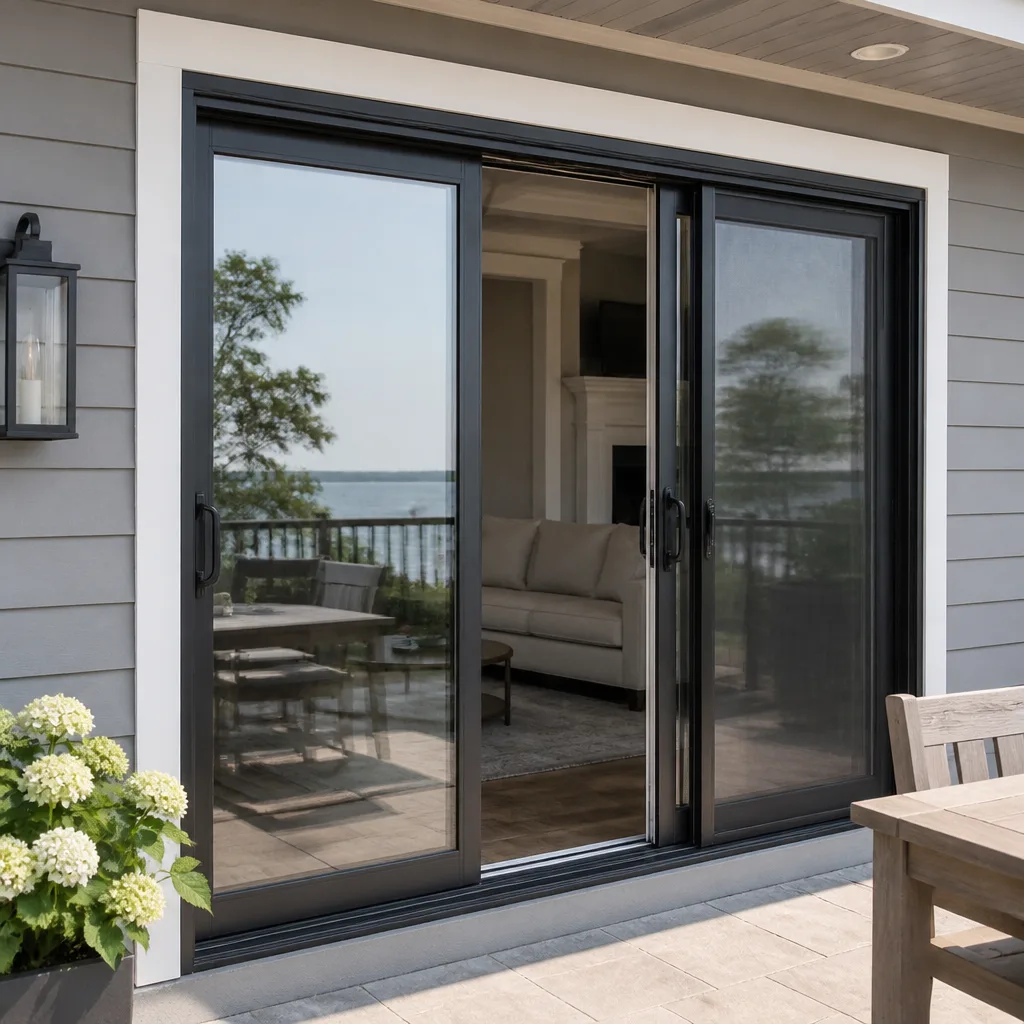 Sliding glass doors
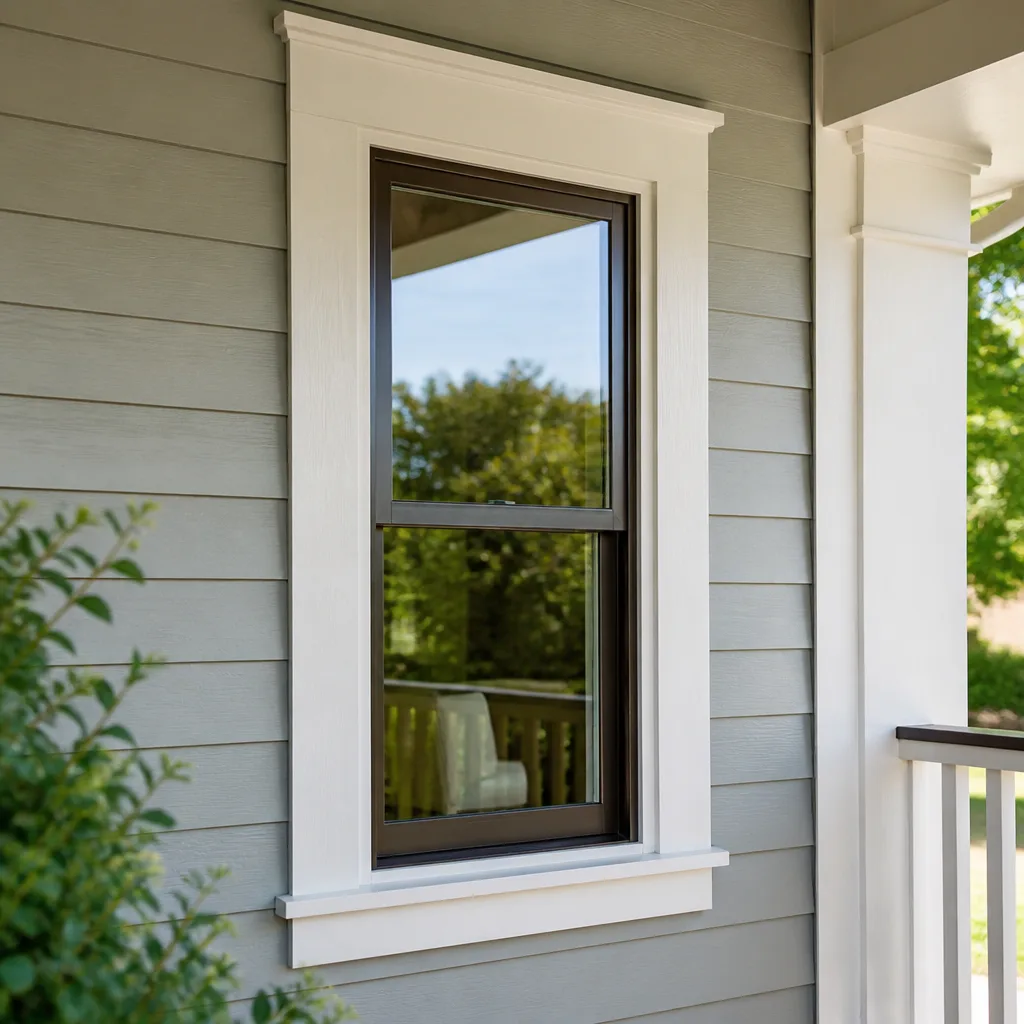 Single hung
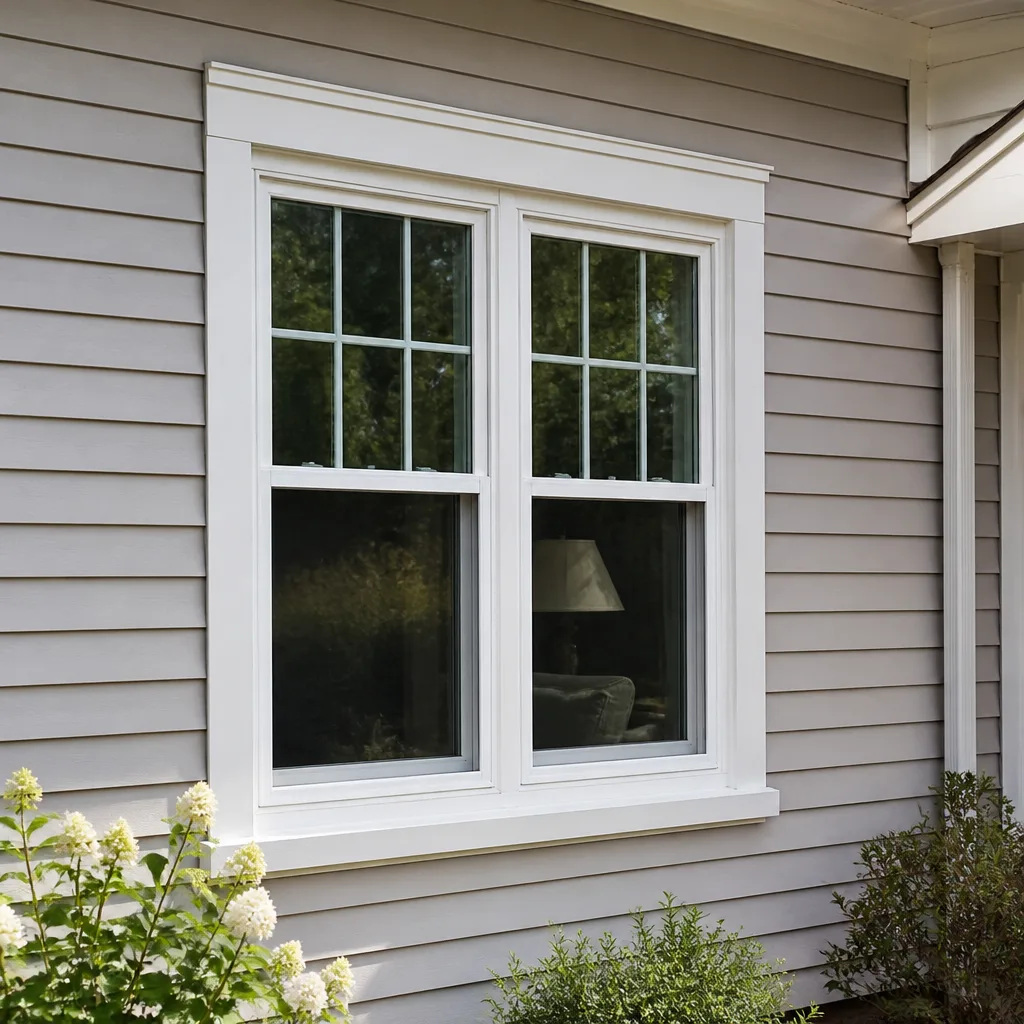 Double hung
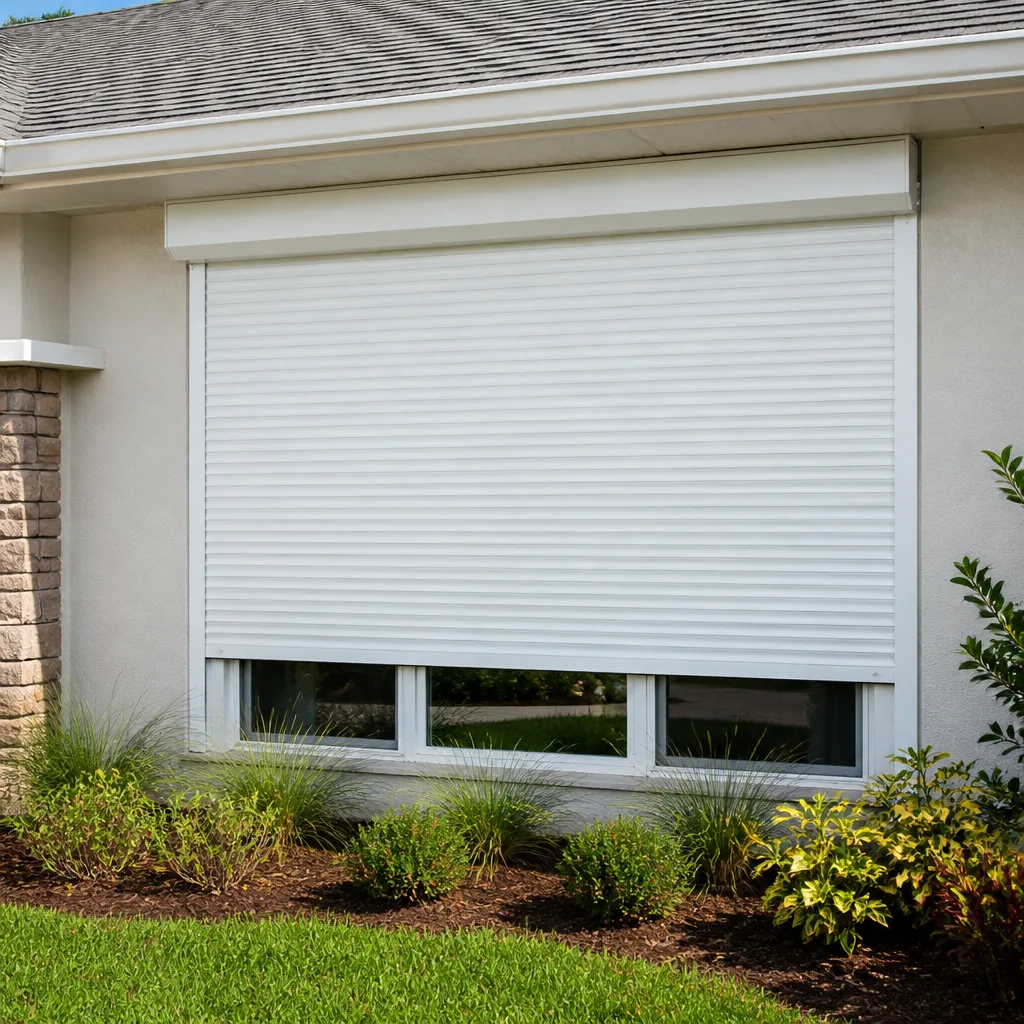 Horizontal roller
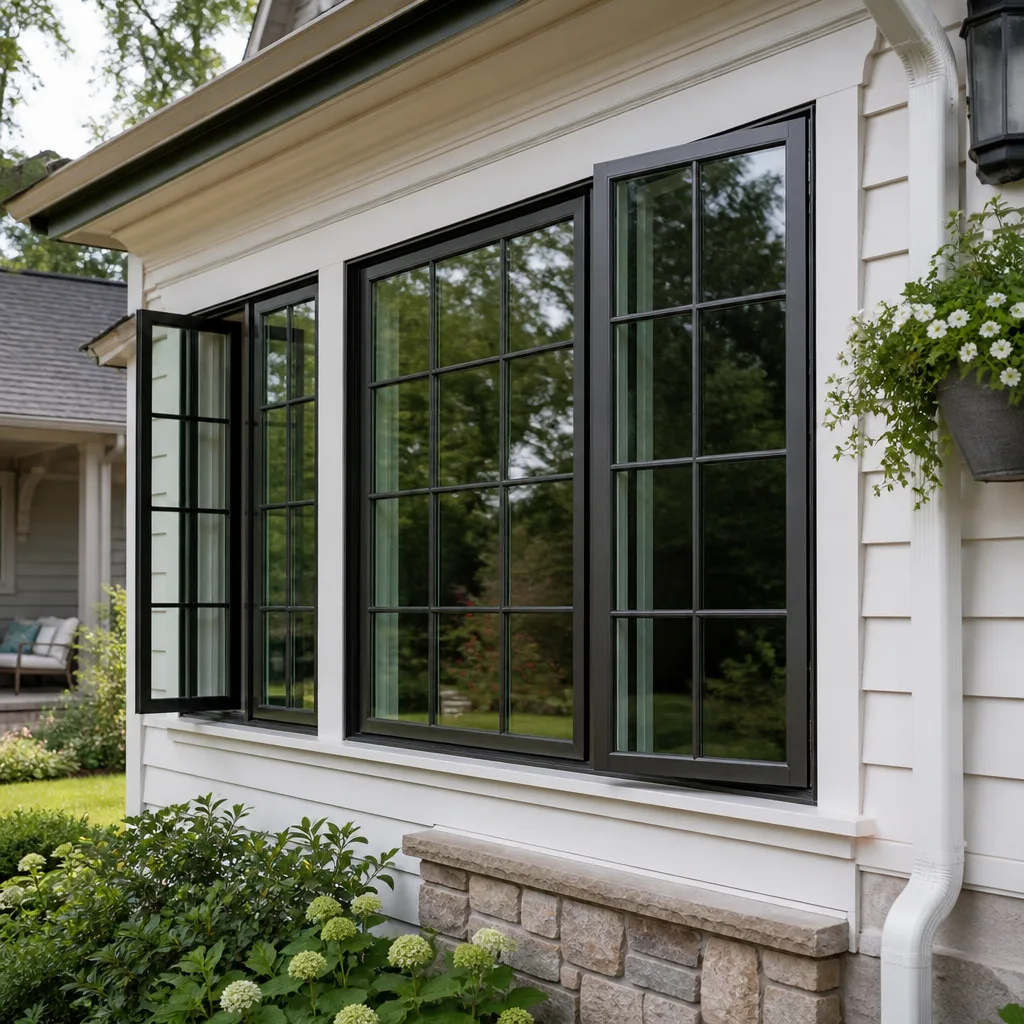 Casement
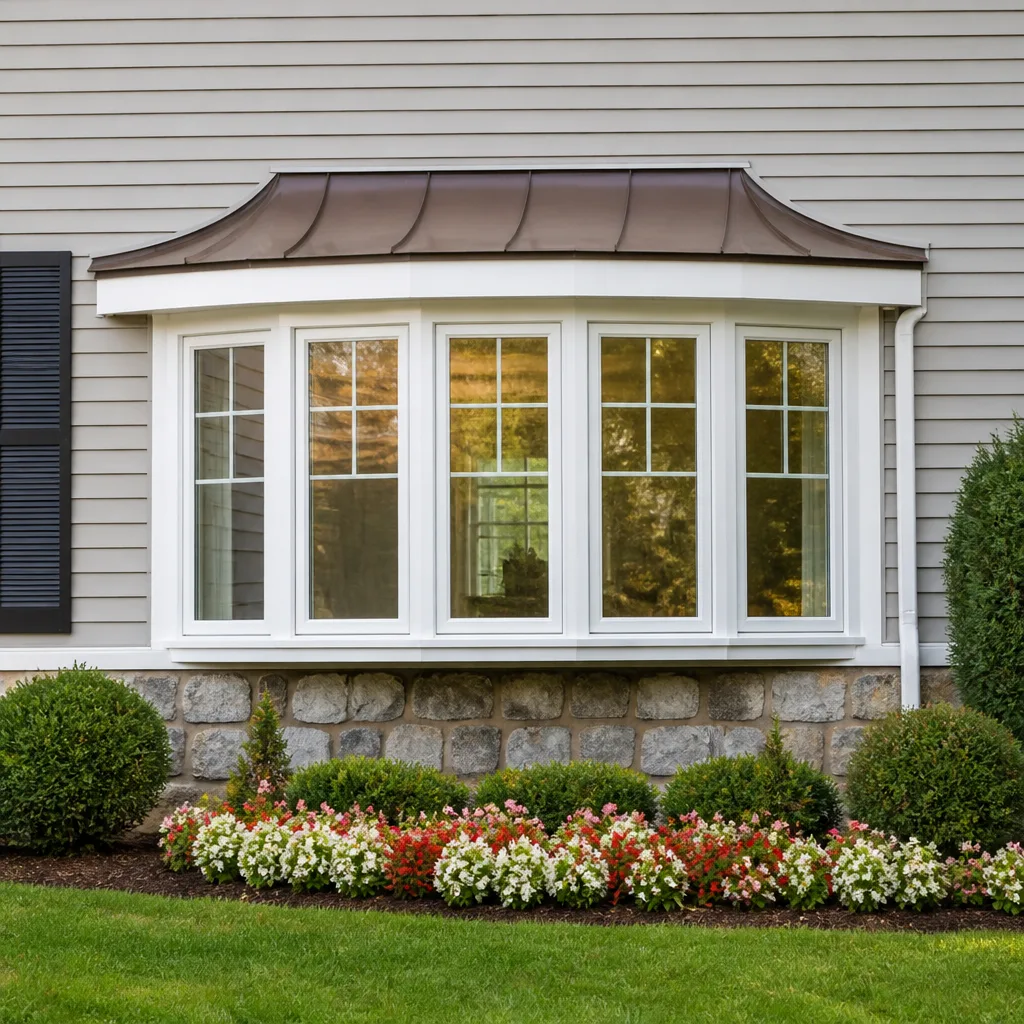 Bay & bow
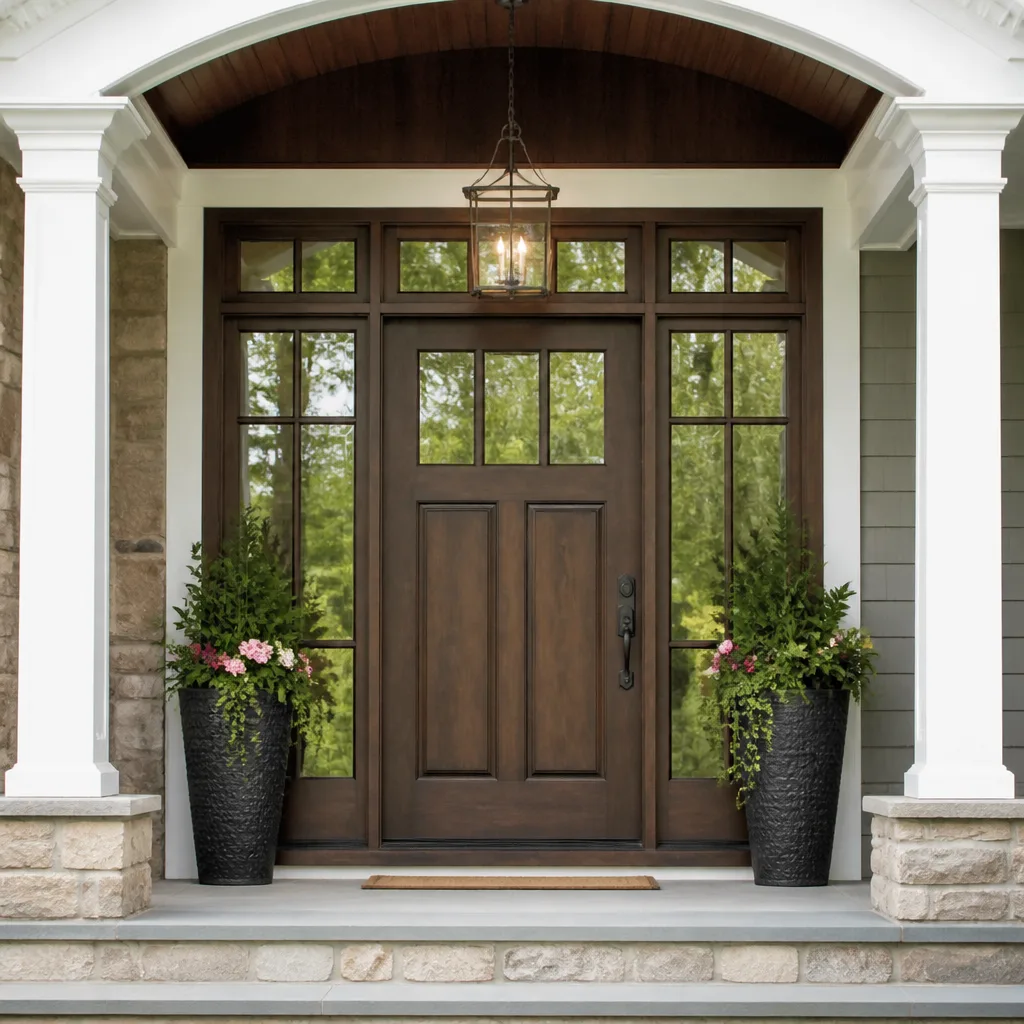 Entry doors
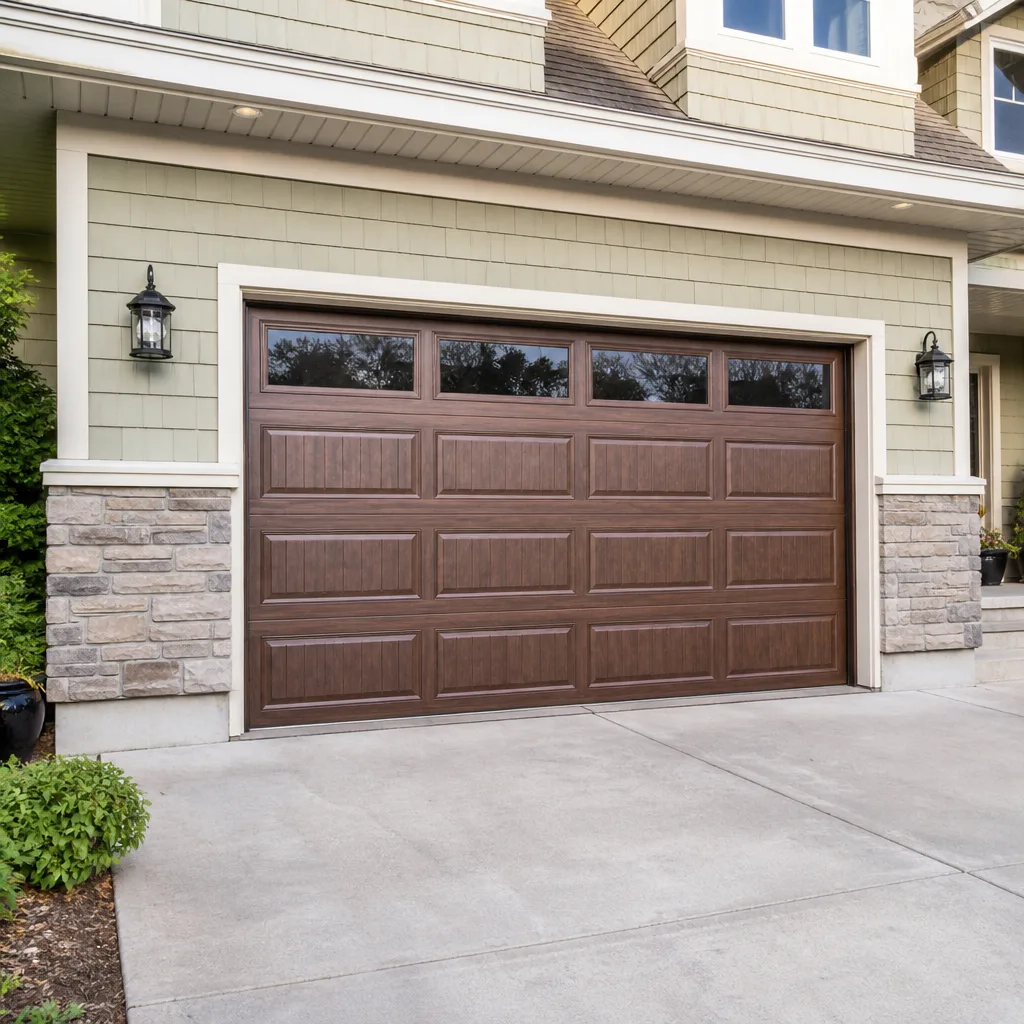 Impact garage doors
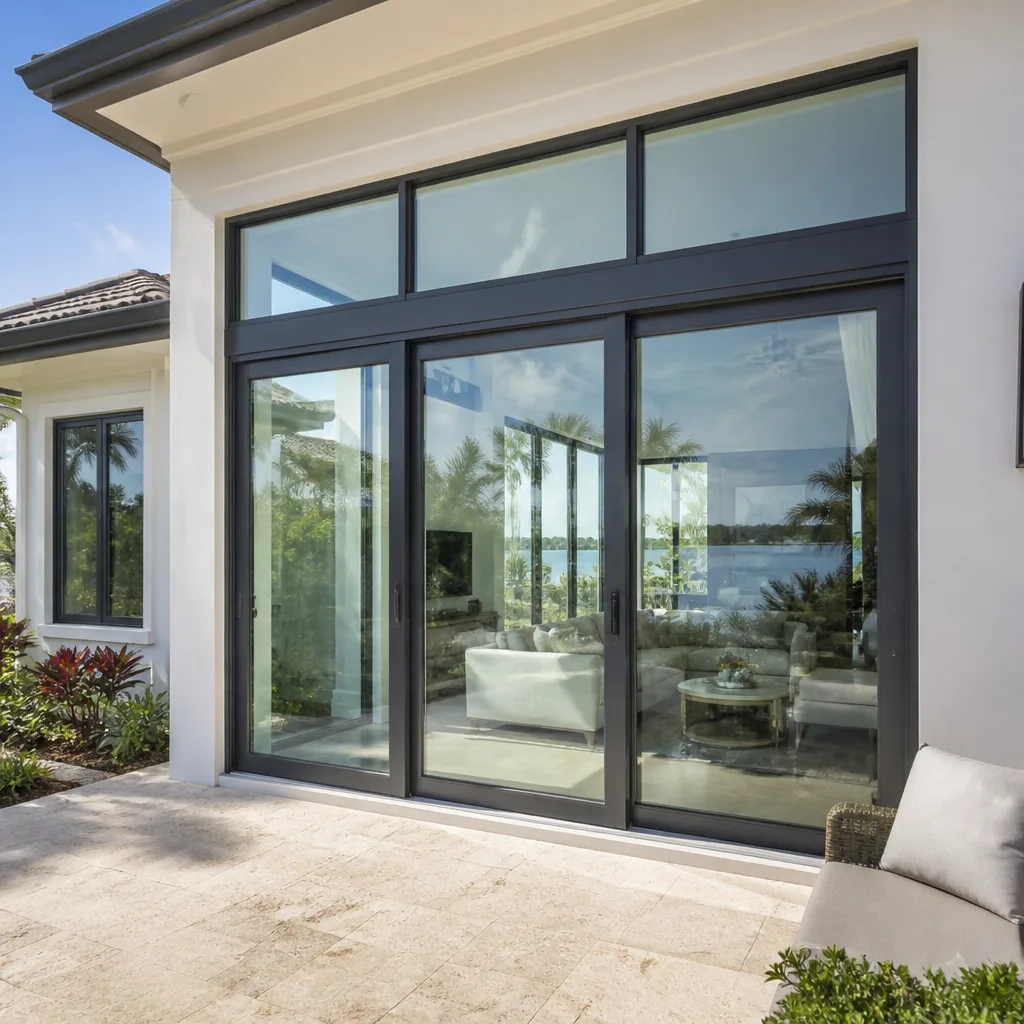 PGT
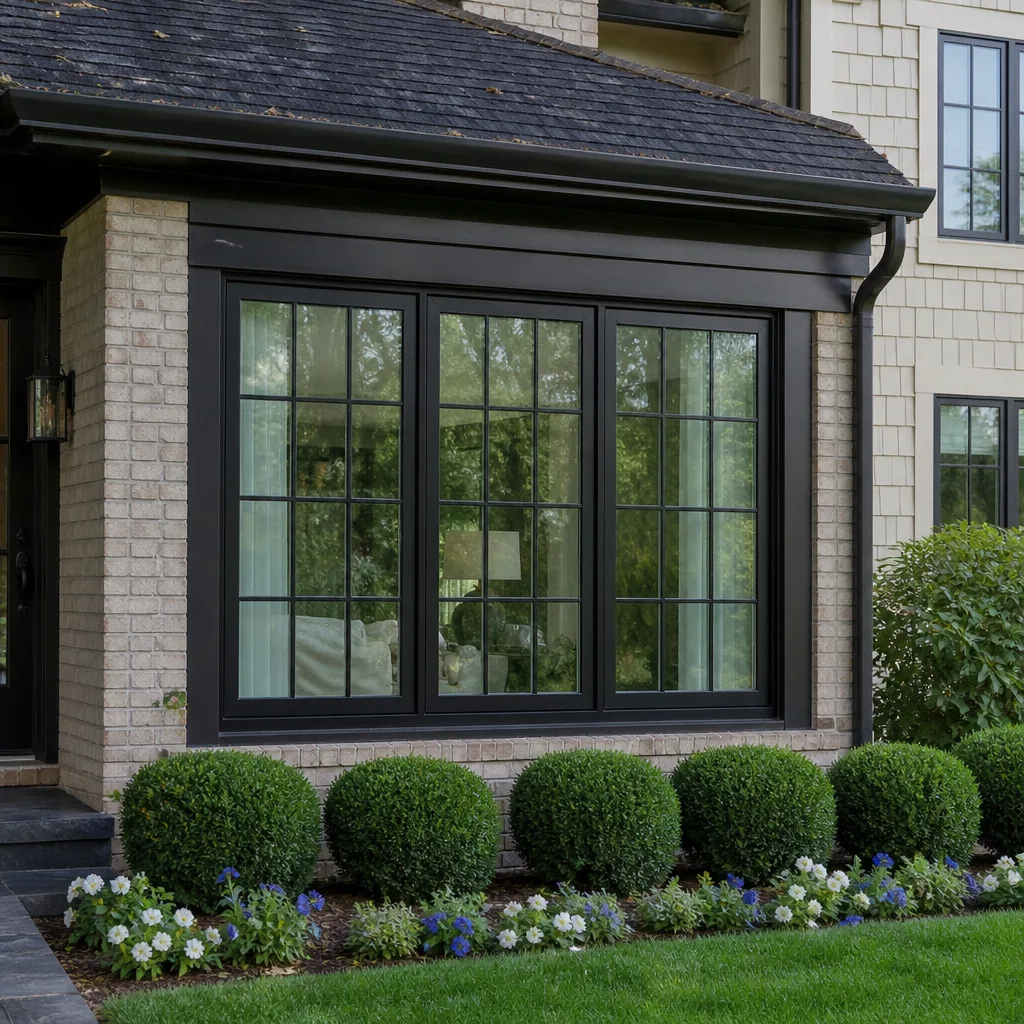 CGI
Free in-home measure and quote - PGT, CGI and CWS impact lines compared on your actual openings, style by style
Get your free estimateThe Complete Guide to Windows & Doors in Redmond
Most homeowners shopping for windows in Redmond start with the wrong question. They ask what a window costs, or which brand is best, before they’ve asked what a window in this specific place actually has to do. Redmond sits in a climate that’s milder than the passes and wetter than the dry side of the state, and Washington’s energy code is stricter than the federal baseline most sales scripts were written against. A glass package that performs well in a hot, dry market can leave money on the table here. This guide walks through the local climate, the energy code, the product lines available, and the permit questions that come up, so you can buy for Redmond instead of for a generic suburb.
Quick Answer
Replacement windows and doors in Redmond should be chosen for a mild, wet, marine climate (Zone 4C), and Washington State’s energy code sets a maximum U-factor of 0.30 for most replacement windows – stricter than the federal baseline. In practice that means prioritizing insulation value and controlling solar heat gain rather than copying glass packages sold in hotter or colder markets. The right product depends on the opening, the orientation, and your budget, which is why comparing more than one manufacturer line matters before you sign.
Styles & brands we work with
- Single hung
- Double hung
- Horizontal roller
- Casement
- Bay & bow
- Sliding glass doors
- Entry doors
- Impact garage doors
- PGT
- CGI
Table of Contents
- Why Redmond’s Climate Changes the Window You Should Buy
- What Washington’s Energy Code Requires (and Where Quotes Fall Short)
- How to Read an NFRC Label Before You Sign
- The Eight Manufacturer Lines and Which Use Case Each Fits
- Why Door Air Infiltration Ratings Matter More Than You Think
- Permits and Inspections: Insert vs. Full-Frame Replacement
- How a Replacement Project Actually Runs
- Common Mistakes to Avoid
Why Redmond’s Climate Changes the Window You Should Buy
Redmond sits in Climate Zone 4C – marine. That single classification does a lot of work. Summers are warm but rarely brutal, winters are cool and wet rather than deep-freeze cold, and the shoulder seasons bring steady moisture and big day-to-night temperature swings. The Cascades to the east block a lot of the weather systems that hammer the mountains, but they also mean Redmond doesn’t get the dry, stable air of the Columbia Basin. What you get is a climate that stresses a window differently than Phoenix or Miami would: less on peak heat, more on moisture management and thermal cycling.
That has three practical consequences for a Redmond homeowner:
- Insulation value matters year-round. Because the temperature gap between inside and outside is moderate but persistent, a low U-factor pays off across more of the year than it would in a market with a short, sharp heating season.
- Solar heat gain is a balancing act. A south- or west-facing window that bakes in July isn’t the same problem it is in Arizona, but you still don’t want a glass package that turns a Redmond living room into a greenhouse in August. You want enough solar gain in winter and control in summer.
- Moisture drives durability. Steady rain and humidity put a premium on proper flashing, sealing, and frame materials that don’t swell or degrade. The install quality around the opening is as important as the glass itself.
This is the core reason a window chosen for a drier or hotter market can underperform in Redmond. The product has to match this climate stack, not a national average. If you want to compare how different replacement approaches handle that, our window replacement Redmond overview is a good starting point.
What Washington’s Energy Code Requires (and Where Quotes Fall Short)
Washington State’s energy code (WSEC) sets a maximum U-factor of 0.30 for most replacement windows – stricter than the federal baseline. U-factor measures how fast heat moves through the whole window assembly, glass plus frame, so a lower number means better insulation. Many big-box quotes still default to a code-minimum glass package because it’s the easiest line to sell on price. That leaves energy performance on the table, and in a marine climate you feel it every month of the year.
Here’s what to check against the code before you sign anything:
- Confirm the U-factor meets or beats 0.30. Ask for the certified number, not a sales estimate. The assembly rating, not just the glass, is what counts.
- Ask about the solar heat gain coefficient (SHGC). It’s a separate number from U-factor, and it’s the one that controls how much summer sun turns into heat inside the room. A good package balances both rather than maxing out one.
- Check the whole assembly, not a single pane. Frame material, spacer, and gas fill all move the number. A great pane in a weak frame won’t hit the target.
- Match the glass package to the orientation. A west-facing wall carries more summer heat than a north-facing one, and the SHGC you want can differ by side of the house.
Because we work across multiple manufacturer lines, we can show you more than one way to hit the code target and let you weigh the tradeoffs. The product families engineered specifically for residential energy performance – like the ES Windows and ECO Window Systems lines – are worth comparing side by side rather than taking whichever package a single-brand installer happens to stock.
How to Read an NFRC Label Before You Sign
The NFRC label is the certified performance record for a specific window assembly. NFRC stands for the National Fenestration Rating Council, and its label travels with the product so you can verify what you’re actually buying instead of trusting a brochure. Reading it is one of the few things you can do before signing that directly protects your investment. Here’s how to work through it:
- Find the U-factor first. Compare it to the 0.30 WSEC maximum. A certified number under 0.30 clears the code bar; a number well under it means more insulation value.
- Read the solar heat gain coefficient. This tells you how much solar energy passes through as heat. For Redmond’s warm summers, a moderate-to-lower SHGC on sunny exposures keeps rooms comfortable without killing winter gain.
- Note the visible transmittance (VT). This is how much daylight comes through. Lower SHGC often pulls VT down, so check you’re not trading away too much light for heat control.
- Check for air leakage. A certified air leakage number tells you how tight the assembly is. In a wet, windy climate, tighter is better.
- Verify the label matches the model quoted. Model numbers on the quote and the label should line up. If they don’t, ask why before signing.
If a quote doesn’t reference NFRC-certified numbers at all, that’s a reason to slow down. The label is the one document that lets you compare brands honestly, whether you’re looking at a premium architectural line or a budget-conscious replacement.
The Eight Manufacturer Lines and Which Use Case Each Fits
We source and install products from eight manufacturer brands – PGT, CGI, CWS, ES Windows, ECO Window Systems, Mr-Glass, Therma-Tru, and ViewLux – because no single line is the right answer for every Redmond home. Big-box installers often push the one proprietary product they carry. Comparing across brands lets you match the product to the opening, the climate, and the budget. Here’s how the families map to common use cases:
- Impact-rated and storm-grade: PGT and CGI are two of the industry’s leading storm-grade manufacturers. For homeowners who won’t compromise on protection, these lines are the ones to look at first.
- Energy performance: ES Windows and ECO Window Systems are engineered specifically for residential thermal efficiency. In a marine climate where insulation value matters all year, these lines deserve a close comparison.
- Glass clarity, aesthetics, and custom sizing: ViewLux and Mr-Glass round out the portfolio for customers who prioritize how the window looks and how precisely it fits a non-standard opening.
- Entry doors: Therma-Tru brings a nationally recognized door brand into the same project, so your entry door and windows can be chosen together rather than from two different trades.
CWS adds another option in the mix for projects that need a different frame or configuration than the others cover. The point isn’t to sell you all eight. It’s that eight brands, one installer means you choose the product that fits the opening and your budget, not the one that happens to be in stock. When you’re ready to talk through window installation options across these lines, we can line up the comparisons for your specific openings.
Why Door Air Infiltration Ratings Matter More Than You Think
Homeowners spend hours comparing window glass and almost no time on door air infiltration, which is a mistake in Redmond. Air infiltration is how much outside air leaks around a closed door – through the frame, weatherstripping, and threshold. A window that leaks air is annoying. A door that leaks air is often the single biggest draft source in the house, precisely because doors face the weather head-on and take constant traffic.
Redmond’s south- and west-facing exposures catch the brunt of incoming weather systems, and an entry door on those sides lives with wind-driven rain and pressure changes that push air and moisture past a weak seal. That’s where the air infiltration rating earns its keep:
- It predicts real comfort. A tighter door means fewer drafts in the room behind it and less strain on the heating system.
- It protects the frame. Less infiltration means less moisture reaching the threshold and jamb, where rot and swelling start.
- It holds up over time. A door with a solid air infiltration number and good weatherstripping stays tight longer than one sold on looks alone.
This is where the door brand and the install both matter. Therma-Tru entry doors give you a recognized product to compare on those ratings, and the way the door is set and sealed controls whether the rating holds in your wall. Full-scope coverage means windows, entry doors, and sliding doors are handled together, so nobody’s guessing where one trade’s responsibility ends and the next begins. Our door replacement service covers that side of the project in the same engagement.
Permits and Inspections: Insert vs. Full-Frame Replacement
Whether you need a permit can hinge on how the replacement is done, and that’s a question most homeowners don’t know to ask. Insert replacement fits a new window inside the existing frame. Full-frame replacement takes out the old frame and puts in a new one, opening up the wall cavity. The two are different scopes of work, and different scopes can trigger different permit and inspection requirements. Local rules vary by jurisdiction, so the reliable answer comes from Redmond’s building department, not from a sales pitch. Still, here’s the general way to think about it:
- Insert replacement usually means less disturbance. Because the existing frame stays, the project touches less of the wall. Confirm with the city whether your specific job needs a permit.
- Full-frame replacement exposes the opening. Removing the frame means weather barrier, flashing, and structural details get reworked – the kind of work an inspector may want to see before it’s closed up.
- Ask what triggers an inspection. When structural changes, new framing, or changing the size of an opening are involved, find out in advance what needs to be verified and at what stage.
- Get the permit answer in writing before work starts. A written line-item quote that states who pulls the permit and who’s responsible for inspections protects you from surprises.
Because insert and full-frame are genuinely different jobs, the choice changes both the cost and the paperwork. If you’re weighing which route fits your home, ask us to walk through both for your openings – that’s part of how we scope window replacement so the estimating matches what the city will actually require.
How a Replacement Project Actually Runs
A planned window and door project isn’t a same-day job, and anyone telling you otherwise is overselling. A typical Redmond replacement runs through a predictable sequence, and knowing it up front makes the decisions easier. Here’s the general shape of it:
- Measure and scope. Every opening gets measured, and you decide insert vs. full-frame based on the condition of the existing frames and what the city requires.
- Choose the product. You compare across manufacturer lines – U-factor, SHGC, frame material, and door air infiltration – and land on a package for each opening.
- Get a written, line-item quote. The quote states the products, the scope, and the permit responsibility so the price you agree to is the price you pay. The written estimate sets the final number.
- Pull permits. Where the job requires it, permits get pulled before work begins and the relevant inspections get scheduled.
- Installation. Weather barrier, flashing, and sealing are as important as the product itself. This is where a good window either performs or leaks.
- Inspection and walkthrough. Completed work is inspected where required, and you walk through the openings before the project closes.
We take window and door replacement jobs of three openings or more. If your project is smaller than that, it’s usually not the right fit for a full replacement engagement, and we’d rather tell you that up front than pad the scope.
Common Mistakes to Avoid
- Buying on price before performance. The cheapest quote often hides a code-minimum glass package. Check the U-factor and SHGC against WSEC 0.30 before comparing bottom lines.
- Copying a glass package from another climate. A window that’s right in Phoenix or Miami can underperform in Redmond’s marine climate. Match the SHGC to your orientation, not to a national average.
- Ignoring door air infiltration. Homeowners obsess over window glass and skip the door rating. On a south- or west-facing entry, that’s often the biggest draft in the house.
- Assuming insert and full-frame are the same job. They aren’t, and the difference affects both cost and what the city wants to inspect. Ask which one your quote covers.
- Signing without an NFRC label in hand. If the quote doesn’t reference certified numbers, you can’t verify what you’re buying. That’s a reason to slow down.
- Splitting windows and doors across trades. Separate contractors for windows and doors means nobody’s clearly responsible for the interface. One engagement keeps the scope honest.
- Forgetting to name who pulls the permit. Get it in writing so a paperwork gap doesn’t stall the job after the product’s ordered.
See the difference
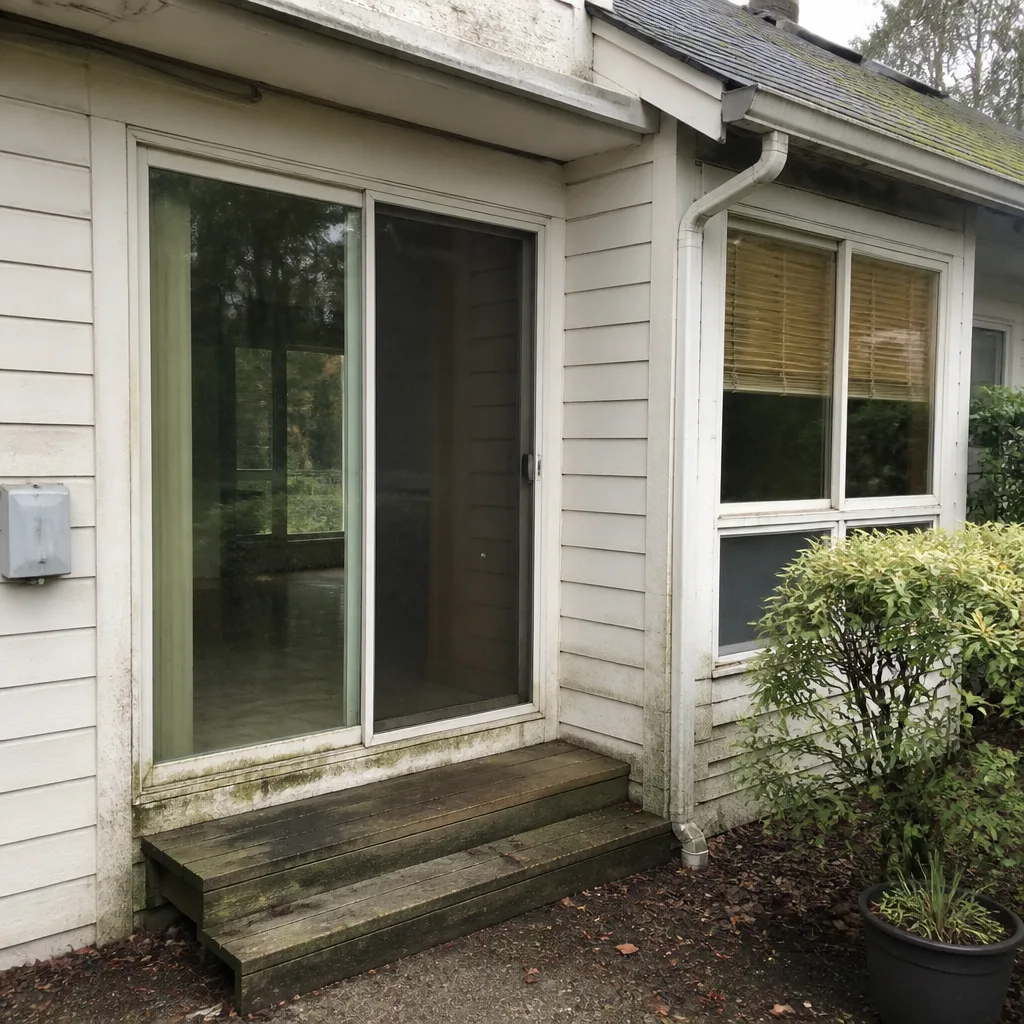 Before
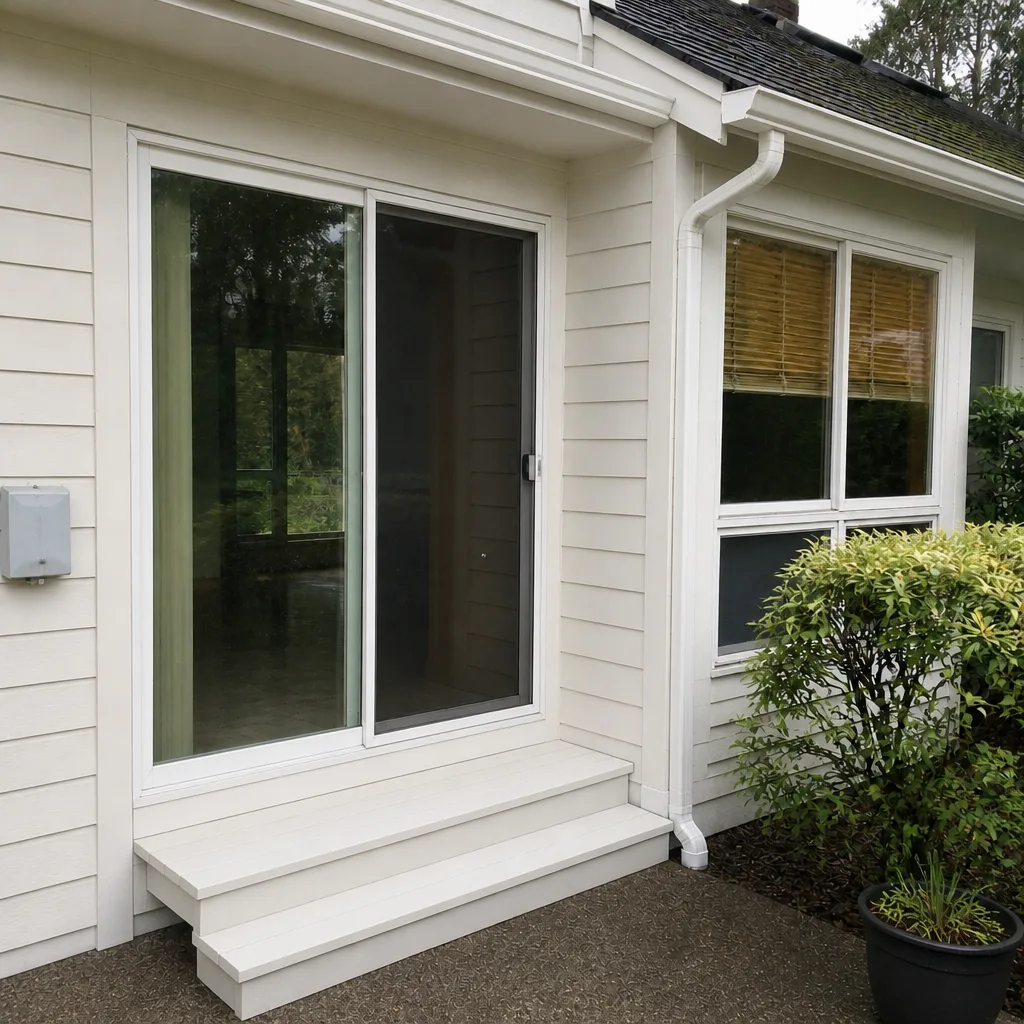 After
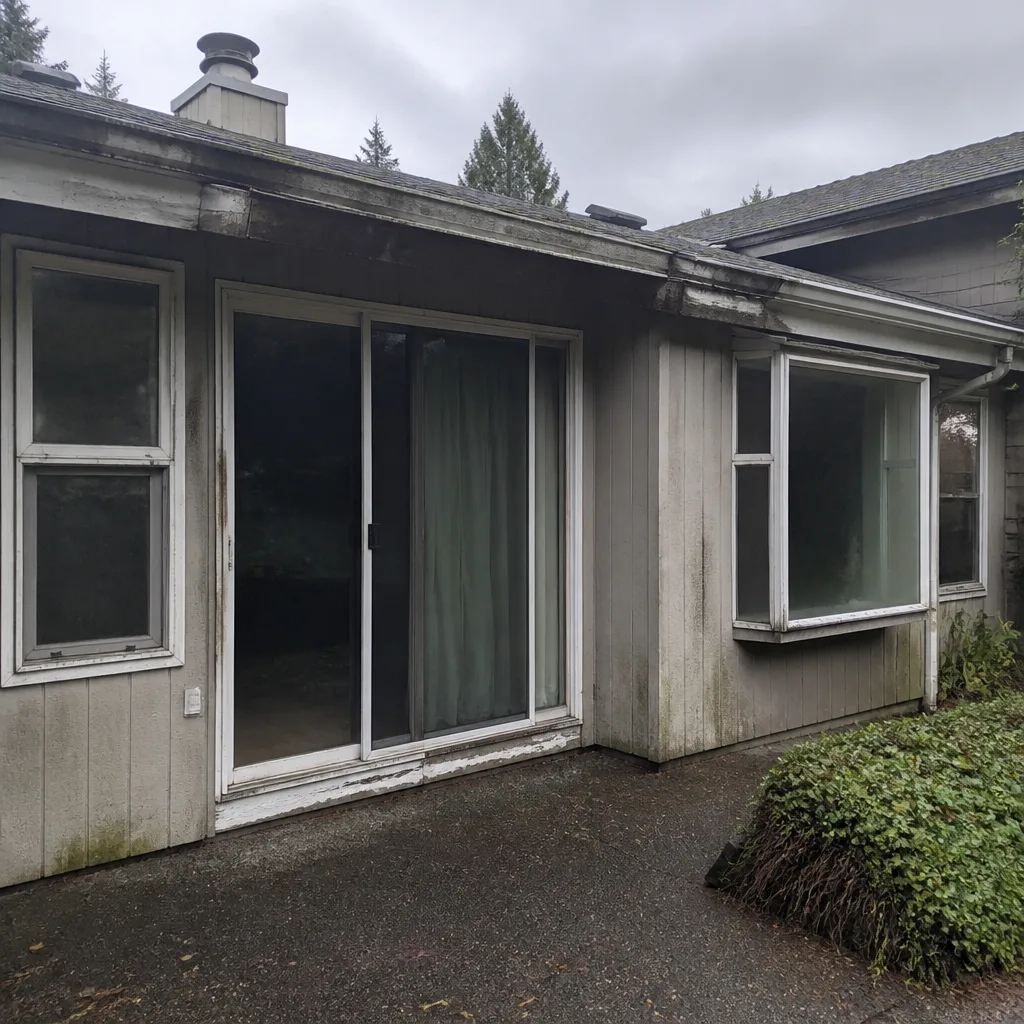 Before
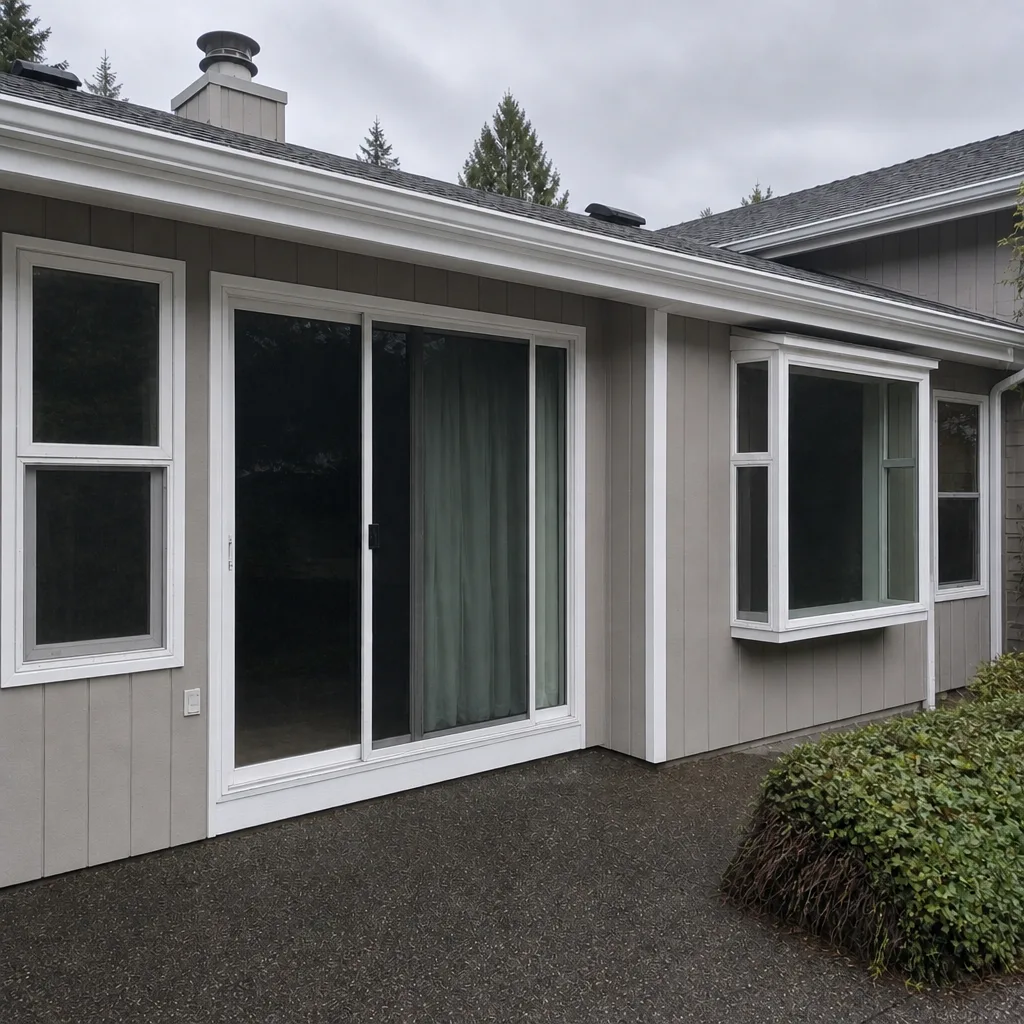 After
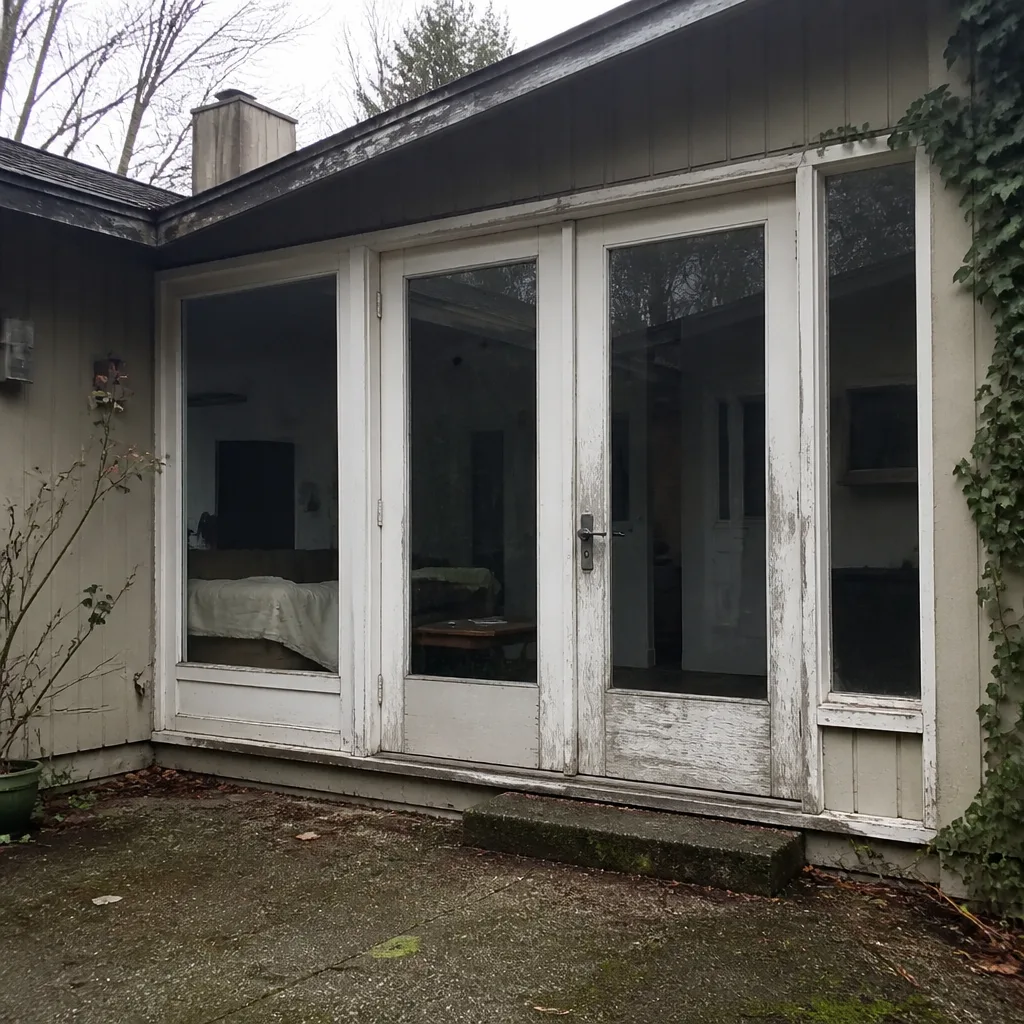 Before
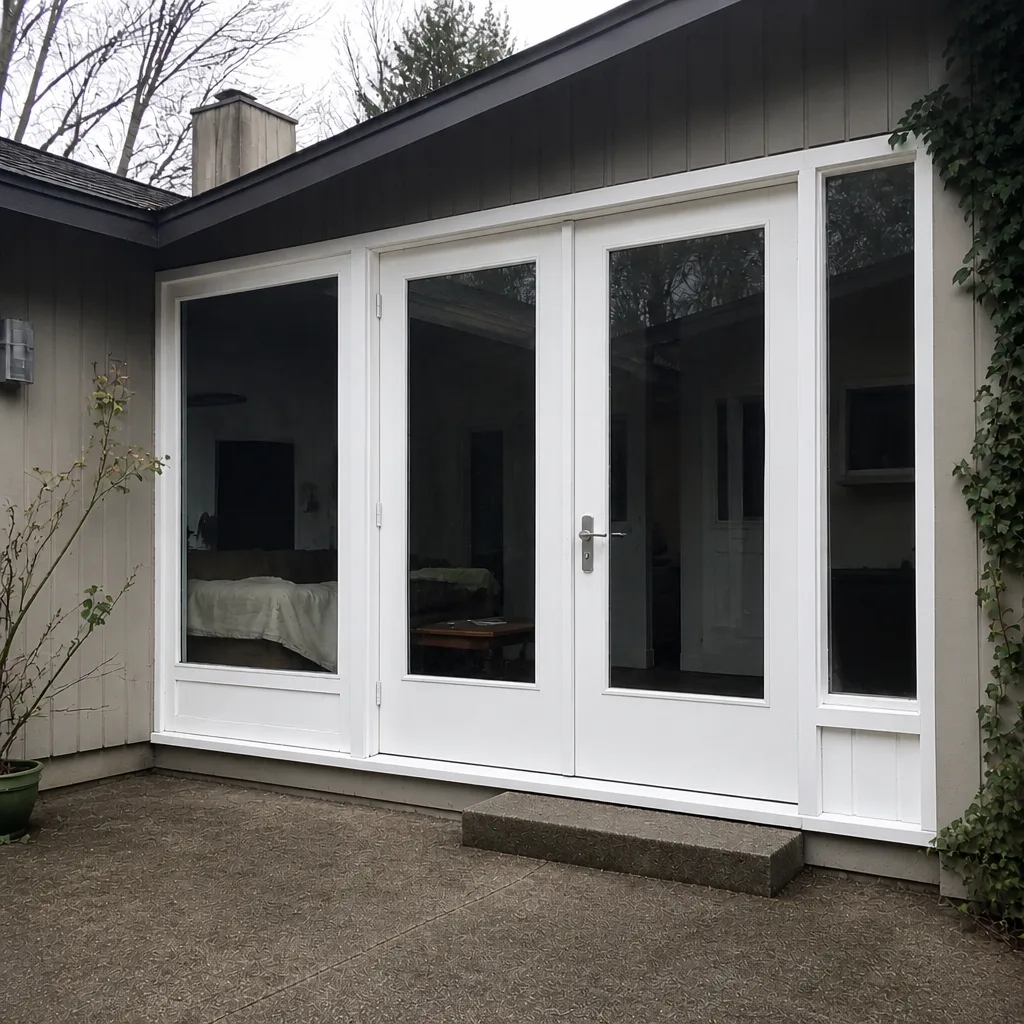 After
When to Call a Professional
Some window and door work is fine to think through on your own, but a few situations call for a pro. If your existing frames are soft or show moisture damage, the insert-versus-full-frame decision needs eyes on the opening. If you’re on a windy south- or west-facing wall and drafts persist, air infiltration needs to be diagnosed, not guessed at. If you’re replacing three or more openings, or mixing windows and a door in one project, it’s worth having the whole scope planned together so the energy performance holds across the house. And if a quote you’ve been given doesn’t reference NFRC-certified U-factor and SHGC numbers, get a second comparison before you sign. Window Replacement Redmond offers free estimates in Redmond – call (425) 699-2135.
Frequently Asked Questions
Washington State’s energy code requires a maximum U-factor of 0.30 for most replacement windows, which is stricter than the federal baseline. That’s the certified whole-assembly number, not just the glass, so check it on the NFRC label. Aim to meet or beat 0.30 and compare the SHGC alongside it. Call (425) 699-2135 for an exact comparison on your openings – estimates are free.
Not reliably. Redmond is Climate Zone 4C, marine – milder and wetter than a hot, dry market, and with different thermal swings than a subtropical one. That changes the right balance of U-factor and solar heat gain. A package tuned for extreme heat or extreme cold can underperform here. Compare the certified numbers, not the marketing. Call (425) 699-2135 to talk through the right fit.
Because doors face the weather head-on, and Redmond’s south- and west-facing exposures take the brunt of incoming systems. A leaky door is often the biggest draft source in the house and a moisture path at the threshold. A tighter air infiltration rating means fewer drafts and less rot risk at the jamb. Call (425) 699-2135 for a free estimate on entry and sliding doors.
It depends on whether you’re doing insert or full-frame replacement, and local rules vary. Insert replacement usually disturbs less of the wall, while full-frame exposes the opening and the detailing an inspector may want to see. Confirm the requirement with Redmond’s building department, and get the permit responsibility in writing before work starts. Call (425) 699-2135 to scope both options – estimates are free.
We take window and door replacement or installation jobs of three openings or more. A single window or a two-window job isn’t the right fit for a full replacement engagement. If you’re planning three or more openings, or mixing windows with a door, we can scope it together. Call (425) 699-2135 for a free estimate.
Yes. Because we source across eight manufacturer brands, we can pair a Therma-Tru entry door with the window line of your choice in the same project. That keeps the air infiltration and energy performance consistent across the openings and gives you a single point of contact. Call (425) 699-2135 to plan the comparison – estimates are free.
The Bottom Line
Redmond is not a generic market, and the windows and doors you buy should reflect that. The climate is marine (Zone 4C), Washington’s energy code sets a maximum U-factor of 0.30 that’s stricter than the federal baseline, and the balance of insulation value and solar heat gain is different here than inland or in hotter markets. Compare certified NFRC numbers, check door air infiltration on your windward exposures, and know whether you’re getting insert or full-frame before you sign. Eight brands, one installer means you can match the product to the opening and the budget rather than settling for the one line a salesperson carries. Read the numbers, ask about the permit, and get a written estimate that sets the final price.
When you’re ready to compare real options for your Redmond home, call Window Replacement Redmond at (425) 699-2135 for a free estimate. We’ll walk through U-factor, SHGC, door ratings, and permit questions for your specific openings so you can commit with confidence.
Written by the team at Window Replacement Redmond.