Last updated November 25, 2026
 Sliding glass doors
 Single hung
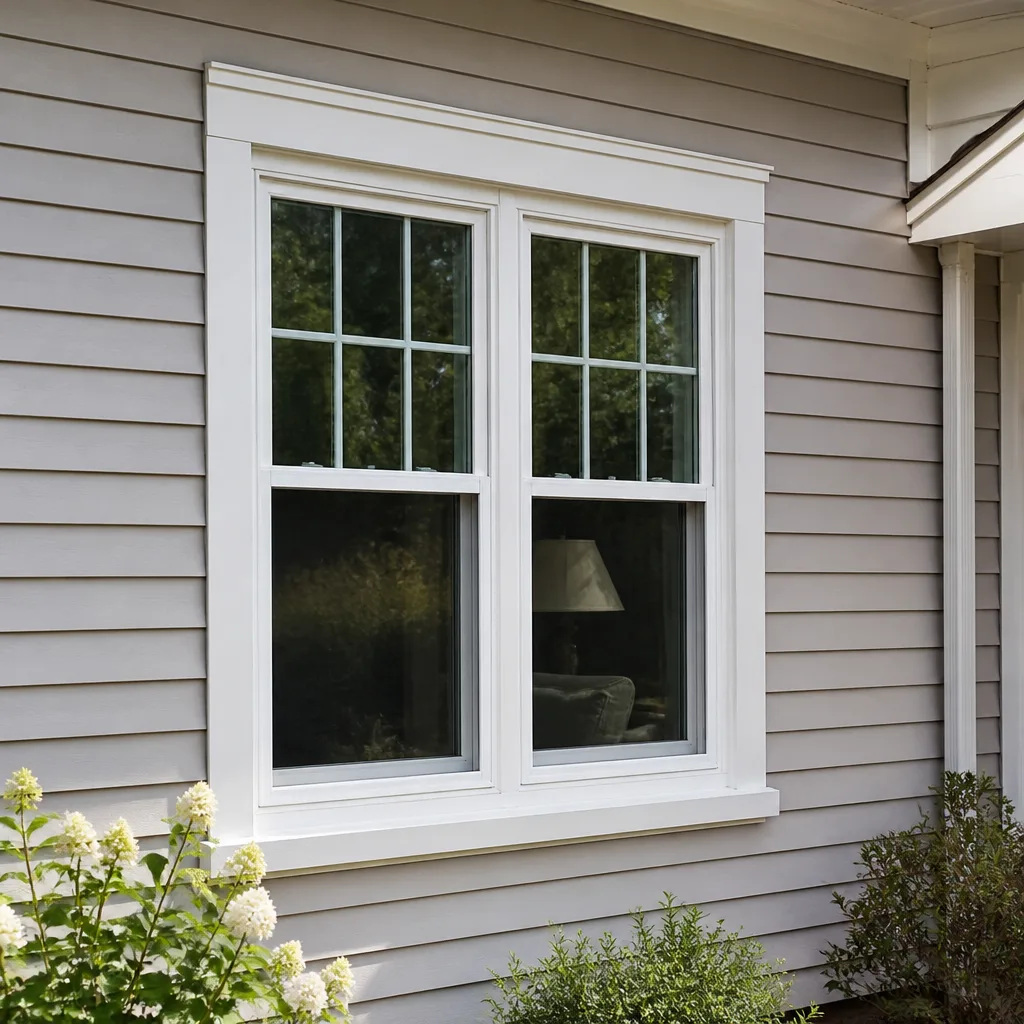 Double hung
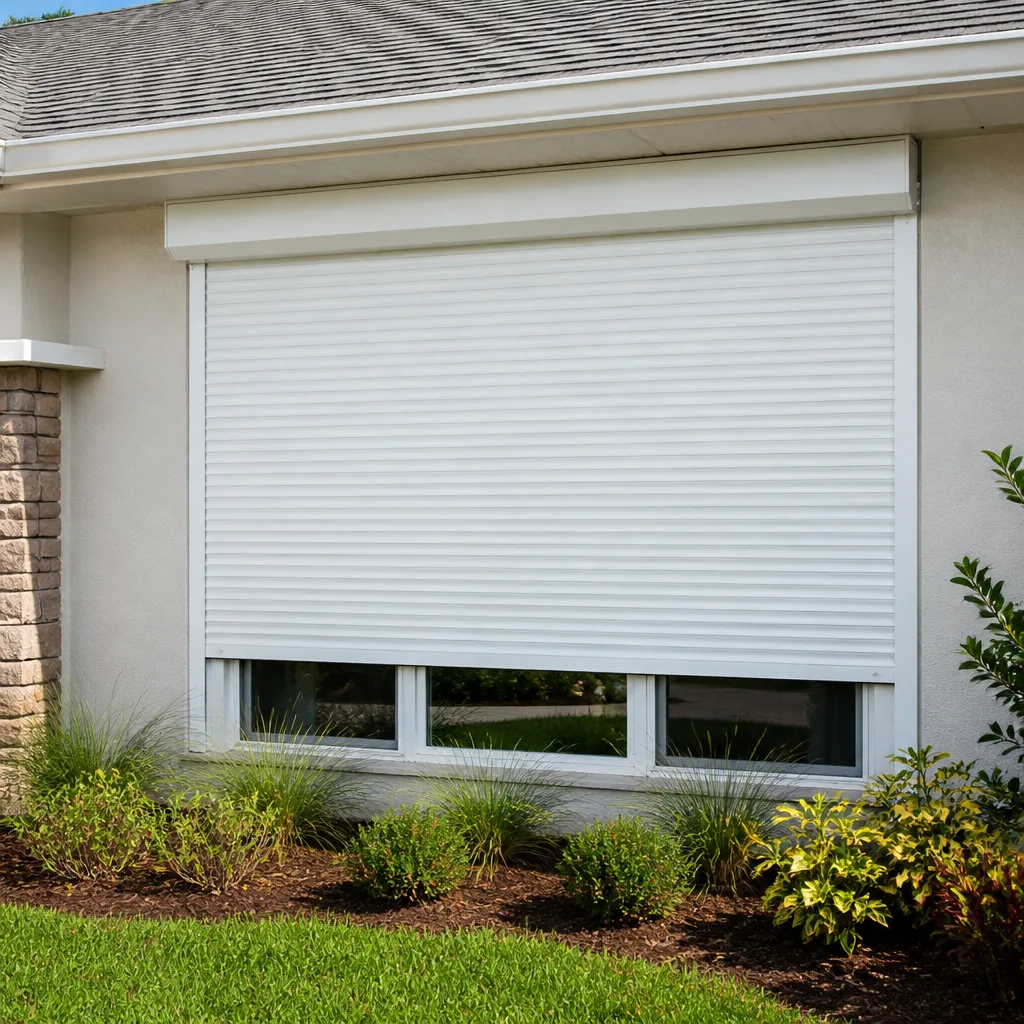 Horizontal roller
 Casement
 Bay & bow
 Entry doors
 Impact garage doors
 PGT
 CGI
Free in-home measure and quote - PGT, CGI and CWS impact lines compared on your actual openings, style by style
Get your free estimateSeasonal Windows & Doors Care for Redmond: Year-Round Homeowner’s Guide
Most seasonal home-care advice you’ll read was written for a climate that isn’t yours. It tells you to “check your windows in spring” and “prepare for winter in November,” which sounds sensible until you realize that in Redmond, the rain that matters has already been falling hard for a month by the time November arrives. This city averages around 57 inches of precipitation a year, and roughly 70% of it lands between October and March. That single fact rearranges the whole maintenance calendar. The work you do in the two weeks before the October atmospheric river season begins is worth more than everything you do the other ten months combined. This guide sequences window and door care around Redmond’s actual weather year, so each task lands before the damage, not after. You’ll get a printable month-by-month calendar, the specific checks that decide whether moisture reaches your wall assembly, and a clear sense of when a professional needs to step in.
Quick Answer
Year-round window and door care in Redmond follows the local weather calendar, not the generic spring-cleaning one: do sealant, weep hole, and threshold checks in September before the rainy season, protect sliding door tracks and casement hardware during January freezes, assess interior condensation for insulated glass seal failure in April, and inspect finish and screens plus reconsider solar heat gain on south- and west-facing units in July. The roof over your head is the building envelope, and windows and doors are its weakest points. Timing your maintenance to the season that stresses each component is what keeps water, cold, and heat where they belong.
Styles & brands we work with
- Single hung
- Double hung
- Horizontal roller
- Casement
- Bay & bow
- Sliding glass doors
- Entry doors
- Impact garage doors
- PGT
- CGI
Table of Contents
- Why the Redmond Calendar Beats Generic Advice
- September: The Three Checks That Decide Whether Moisture Gets In
- October Through March: Living With the Rainy Season
- January: The Freeze Protocol for Tracks and Hardware
- April: Is That Condensation a Seal Failure or Just Surface Moisture?
- July: UV, Heat, and South- and West-Facing Frames
- The Printable Month-by-Month Action Calendar
- When Maintenance Is No Longer Enough
Why the Redmond Calendar Beats Generic Advice
Redmond sits in a climate with two dominant forces: a long, wet winter and a bright, dry summer with a real UV peak in July. Those forces don’t stress your windows and doors equally, and they don’t stress them at the same time. A homeowner who checks sealant in May, when the weather is pleasant and the house is dry, will look right past the hairline gaps that matter, because those gaps only reveal themselves when water is actively pressing against them. The same homeowner who ignores their sliding door tracks until February, when the door has already frozen shut, has missed the window where a little lubrication would have prevented the problem.
Building scientists talk about the “building envelope,” the continuous barrier of roof, walls, windows, and doors that separates conditioned indoor air from the outdoors. Windows and doors are the deliberate gaps in that envelope. They’re engineered assemblies with their own drainage channels, weatherstripping, and seals, and each of those has a season when it’s most vulnerable.
Here’s the counterintuitive part: in Redmond, summer is the season that quietly damages your exterior finishes, and winter is the season that tests your water management. The two need different attention at different times.
- Rain-driven water intrusion is a winter problem, decided in the fall when your sealant is either intact or isn’t.
- Freeze damage to tracks and hardware is a January problem, decided by whether you prepared in December.
- UV and heat stress on frames and glass is a summer problem, peaking in July on south and west elevations.
- Condensation and seal assessment is a spring problem, best read in April as the wet season winds down.
Once you see your home as an envelope reacting to a specific local climate, the maintenance schedule writes itself. The rest of this guide walks through each season in turn, with the checks that matter most and the signs that tell you it’s time to bring in the pros.
September: The Three Checks That Decide Whether Moisture Gets In
If you do only one block of window and door maintenance all year in Redmond, do it in September, in the two to three weeks before the atmospheric river pattern settles in. Atmospheric rivers are the long, moisture-heavy storm systems that deliver most of the Pacific Northwest’s rain in big pulses rather than a steady drizzle. When one parks over Redmond, your windows and doors face hours of wind-driven water. Three checks determine whether that water stays outside.
- Sealant inspection. Walk the exterior of every window and door and look at the caulk line where frame meets siding. You’re looking for cracks, gaps, peeling, and any place the sealant has pulled away from the surface. Press gently with a putty knife; if the bead is brittle or separates, it needs refreshing before the rain starts. Pay particular attention to the top and sides of the frame, where wind-driven water gets pushed hardest.
- Weep hole clearing. Every modern window frame has small drainage openings, usually at the bottom of the sill, that let water that gets behind the glass or into the frame channel drain back outside. If those weep holes are clogged with dirt, pollen, or insect debris, water has nowhere to go but inward. A toothpick or a stiff wire clears them in seconds. This is the single most overlooked maintenance task we see on Redmond homes, and it’s the difference between a frame that drains and a frame that rots.
- Threshold sweep condition. On every exterior door, the threshold sweep is the flexible strip at the bottom that seals the gap between door and sill. If it’s torn, compressed, or missing, water and cold air pass straight through. Test it by closing the door on a piece of paper; if the paper slides out easily, the sweep isn’t sealing.
All three tasks take an afternoon. Together they decide whether the coming winter’s storms run off your windows and doors or into your wall assembly, where hidden moisture can damage sheathing and framing long before you see a stain indoors. If your sealant has already failed or you find soft or discolored wood at the frame, that’s beyond a maintenance fix, and it’s worth talking to a professional about window installation as the durable answer.
October Through March: Living With the Rainy Season
Once the rain settles in, your job shifts from prevention to monitoring. You’re not going to be caulking in a downpour, and you shouldn’t be. What you can do is watch for the early signs that water is getting where it shouldn’t, and manage the interior humidity that winter living creates.
What to watch for during the wet season
- Water staining or softness on interior sills and jambs. Any dark discoloration or spongy feel near a window means moisture has already crossed the plane. Note where and get it assessed.
- Fogging or condensation on the room-side glass. Some condensation on cold mornings is normal, especially in kitchens and bathrooms. Constant heavy condensation that runs down the glass is a humidity problem, not necessarily a window problem, and it points to ventilation.
- Doors that stick or drag. Wood and composite components swell with seasonal moisture. A door that drags only in the wet months is telling you something about water absorption and, sometimes, about blocked drainage.
- Daylight or drafts around frames. On a windy Redmond evening, run a hand around the edges of frames and doors. A detectable draft means air is moving where it shouldn’t.
Managing interior humidity
Wet winters mean indoor humidity climbs. Run exhaust fans in bathrooms and the kitchen, keep furniture a few inches off exterior walls to allow air circulation, and avoid stacking storage against window walls in basements and bedrooms. High interior humidity plus a cold exterior pane is what produces the heavy condensation that can eventually work into seals and finishes.
The rainy season is also the best time to notice which rooms feel cold and drafty, and which ones you’re heating more than you’d like. That observational data is exactly what informs a smart replacement decision later. In our experience, homeowners who track problem windows through one full wet season in Redmond make far more confident choices than those who decide in a showroom.
January: The Freeze Protocol for Tracks and Hardware
Redmond’s winters are wet more often than they are freezing, but January reliably brings cold snaps, and those snaps are what break window and door hardware if the hardware wasn’t prepared. The two components most at risk are sliding door tracks and casement window operators.
Sliding door tracks
Water collects in the track of a sliding door, whether from rain blowing in or from condensation. When temperatures drop overnight, that water freezes, and a frozen track does two things: it stops the door cold, and if someone forces it, it can bend rollers, crack the track, and jam the door permanently. The fix is simple and seasonal.
- In December, before the cold arrives, clean the track of grit and debris and wipe it dry.
- Apply a silicone-based lubricant to the track and rollers. Silicone stays functional at low temperatures where oil-based products can stiffen.
- Check that the track drains. If water pools and sits, the drainage slots are blocked.
- During a cold snap, avoid forcing a stiff sliding door. If it’s frozen, warm the track gradually rather than hauling on the handle.
Casement window hardware
Casement windows open with a crank operator, and that mechanism has grease and moving parts that cold weather can stiffen. A crank that’s forced when cold can strip the gears. In January, operate casement windows gently and only when you need to. If a crank feels stiff, lubricate the operator track according to the window maker’s instructions, and if the mechanism grinds or won’t hold the window open, that operator is failing. Prevented early, this is a minor hardware matter; ignored, it can leave you with a window that won’t seal closed, which is a genuine problem in a wet, cold Redmond January.
Check your locks too. A lock that’s seized from cold and moisture can be freed with a dry lubricant, but be careful not to force a stuck key or handle, which can snap the mechanism. A lubricated lock is a sealing lock, and a sealing lock is what keeps winter wind and water out.
April: Is That Condensation a Seal Failure or Just Surface Moisture?
April is the month Redmond dries out, and it’s the right time to answer the question winter has been posing all along: is that condensation on your windows a sign that the insulated glass unit, or IGU, has failed, or just surface moisture from a wet season? The distinction matters, because surface moisture is a ventilation and humidity issue while seal failure means the glass assembly itself is done for.
How to tell the difference
- Surface condensation appears on the room-side face of the glass, wipes away with a cloth, and comes and goes with weather and humidity. You’ll see it on the coldest mornings and it clears as the day warms.
- Seal failure (foggy glass) shows up as a hazy or cloudy appearance or actual water droplets trapped between the panes, and it doesn’t wipe off because it’s inside the sealed unit. The assembly has lost its seal and taken in moisture.
Reading the whole window after winter
April is also when you assess what winter did to the window as a whole. Look for:
- Fogging trapped between panes, which means the sealed glass unit needs replacing.
- Water staining on interior sills and frames, which means water crossed the plane at some point this winter.
- Finish wear: peeling paint, peeling film, or chalking on wood and composite frames. Catching finish wear in April gives you the dry season to refinish before the rain returns.
- Weatherstripping compression: door and window seals that have gone flat and no longer spring back.
Foggy glass, by the way, isn’t a repairable condition. Once an IGU loses its seal, the fix is a fresh unit or a replacement window, and that’s the honest answer. For a window that’s failed or for a home where several units have gone foggy together, it’s time to think about replacement rather than patchwork. Our window replacement team works in Redmond and can assess whether a fresh set of units is the smarter spend.
July: UV, Heat, and South- and West-Facing Frames
July in Redmond is bright and hot, and the areas that take the hardest hit are your south- and west-facing windows. They absorb the most sun through the day and the hottest afternoon light. The work here is about protecting finishes and rethinking glass performance for rooms that overheat.
Finish inspection
Paint, stain, and factory finishes on window and door exteriors take a UV beating on those elevations. In July, check for chalking, film degradation, blistering, and peeling. Once the existing coating starts to fail, every further day of summer sun accelerates the damage, and moisture gets its entry point. Refinishing during the dry season, when the wood or composite is fully dry and the weather cooperates, is far more durable than trying to chase it in wet weather.
Screen condition
Screens protect against insects and, to a small degree, against grit. Sun and heat degrade screen mesh over time, and July is the time to check for sagging, tears, and stretched mesh. A screen in poor condition also reduces your ability to open windows in summer, which sets up a ventilation problem. Replacing screens in summer is a low-cost fix that keeps fresh air flowing through the hottest weeks.
SHGC re-evaluation
Solar heat gain coefficient, or SHGC, describes how much of the sun’s heat passes through a window. A south- or west-facing room that overheats every July is telling you its windows have a higher heat gain than that room wants. In Redmond, families routinely discover that the same glass that’s welcome in January turns a westward-facing bedroom into an oven by August. If you’ve lived through a couple of hot summers with a room that’s unbearable in the afternoon, that’s a signal to reconsider the glass performance on those units when you’re next in the market for replacement. Modern window lines offer lower heat gain in the same frame, letting you keep the rooms that need sun while cooling the rooms that don’t.
This is also the season when the right product line makes the difference. If you’re shopping, the range of options matters. Our multi-brand approach lets you compare energy-focused products from makers like ECO Window Systems and ES Windows against impact-rated lines like PGT and CGI, so the glass you pick matches the room and the orientation rather than a single installer’s pitch. For a hotter-than-it-should-be room, that’s the difference between guessing and choosing.
The Printable Month-by-Month Action Calendar
Here’s the short version, one line per month, built to be printed and posted in a garage, utility room, or on the inside of a pantry door. These tasks are meant to be done by a reasonably handy homeowner; anything involving climbing ladders to reach high second-story windows, working on glass, or swapping hardware that affects the seal should be checked with a professional.
- January: Keep sliding door tracks lubricated and casement cranks working gently through freeze snaps; don’t force a frozen mechanism.
- February: Watch interior sills and door jambs for dampness or staining during heavy rain weeks.
- March: Check exhaust fan operation and interior humidity; note any drafty windows for a spring assessment.
- April: Assess condensation: surface moisture versus fogging inside sealed glass; check frames and finish for winter wear.
- May: Inspect exterior caulk and weatherstripping while the weather is dry; note anything that needs refreshing.
- June: Service screens and check that all windows open freely for summer ventilation.
- July: Check finishes on south- and west-facing frames for UV damage; assess whether hot rooms need lower heat gain.
- August: Clean tracks and drainage paths again after the dry, dusty season.
- September: The big three: sealant inspection, weep hole clearing, threshold sweep condition, all before the rain arrives.
- October: Confirm weatherstripping and thresholds are sealing; begin monitoring for interior water signs.
- November: Manage interior humidity and keep furniture clear of exterior walls; check drafts on windy days.
- December: Lubricate sliding door tracks and locks in advance of the cold; service casement operators.
Post it where you’ll see it. A calendar you actually act on beats a long list you read once.
When Maintenance Is No Longer Enough
Maintenance keeps a healthy window or door healthy. It doesn’t rescue a failing one, and knowing the line matters if you’re deciding how to spend. These are the signs that the right move is replacement rather than another round of upkeep:
- Foggy glass that won’t clear. A lost seal on an insulated unit means the glass itself has failed; drying or cleaning won’t restore it.
- Soft or rotted frame material. Once the wood or composite at a frame has softened, water has compromised the structure, and caulk is a temporary cover.
- Water intrusion that recurs every year, despite fresh sealant and clear weep holes.
- Doors that no longer seal, with hardware worn past the point of adjustment.
- Rooms you can’t cool or keep warm, where the glass and frame are simply past their performance life.
When you reach that point, the choice of product line matters as much as the installation. That’s the case for working with a specialist that carries multiple brands rather than a single one. We source and install products from eight manufacturers, including ViewLux and Mr-Glass for glass clarity and custom sizing, Therma-Tru for entry doors, and impact-rated options through PGT and CGI for homeowners who want storm-grade protection. Replacement windows and doors are handled as a single project, and as a company that works on windows and doors exclusively, our whole attention is on those openings. You can explore door replacement alongside your window scope so the two match. Minimum project size is three openings, so plan a replacement around at least three windows or doors for the best outcome.
Common Mistakes to Avoid
- Doing the sealant check in spring instead of September. A crack that looks cosmetic in May is a water channel in October, and by the time you notice it in Redmond’s wet season, it’s already been doing damage for weeks.
- Ignoring weep holes. Homeowners often assume the small drainage slots are decorative or that caulking over them makes the window more watertight. Blocking them traps water inside the frame, which is exactly the opposite of what you want.
- Forcing frozen sliding doors and casement cranks. A frozen mechanism forced open can bend rollers, strip gears, and leave a door or window permanently out of alignment. Thaw and lubricate instead.
- Mistaking interior fog for a glass failure, or a glass failure for interior fog. Running a dehumidifier won’t fix fogging between panes, and replacing a window won’t fix a humidity and ventilation problem. Diagnose before you spend.
- Treating UV damage as a cosmetic problem. Peeling and chalking finishes on sun-facing frames aren’t just ugly; they’re the entry point for moisture once the rains return.
- Choosing a single-brand installer for a multi-room project. If a salesperson only has one product to offer, every room gets the same glass. Rooms facing different directions and serving different purposes benefit from different performance.
- Skipping the threshold sweep because the threshold looks fine. The sweep, not the threshold, is what seals. A worn sweep lets water and air under a door that otherwise looks perfectly sound.
See the difference
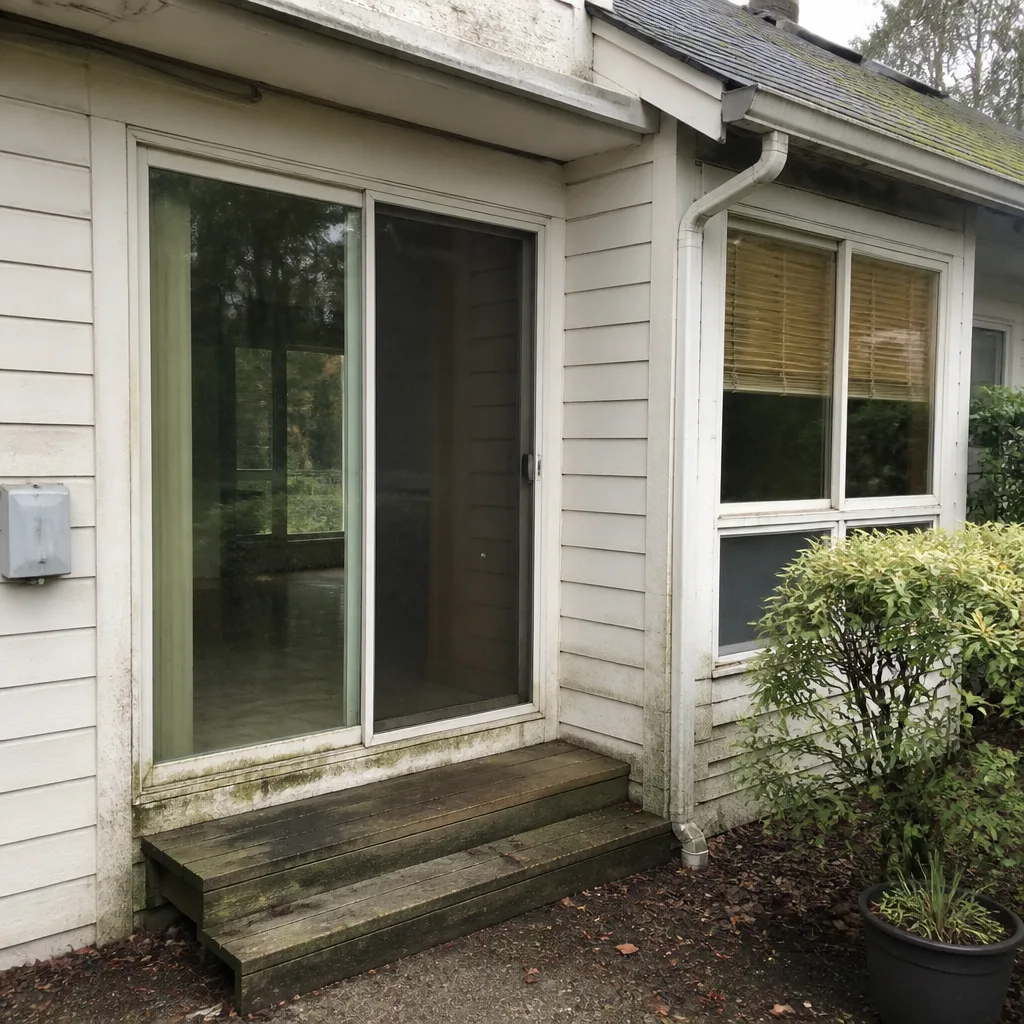 Before
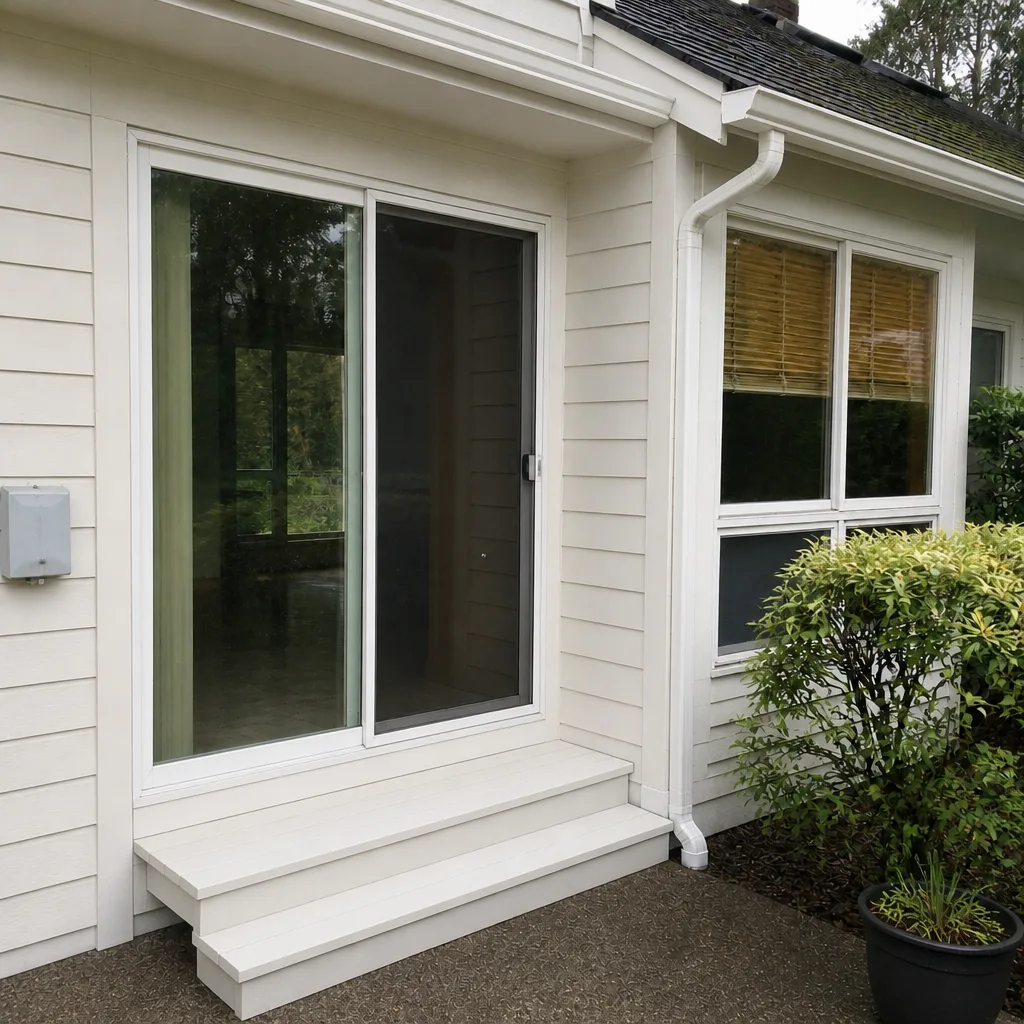 After
 Before
 After
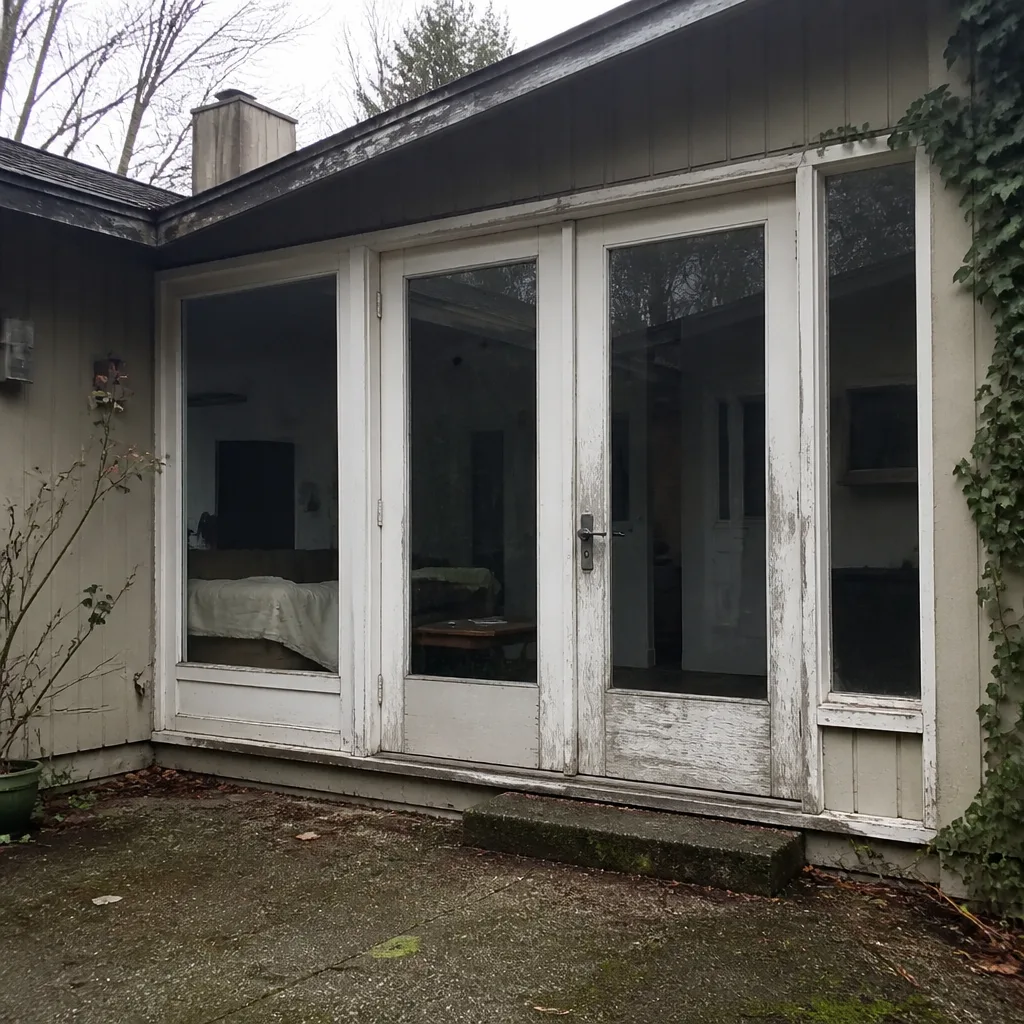 Before
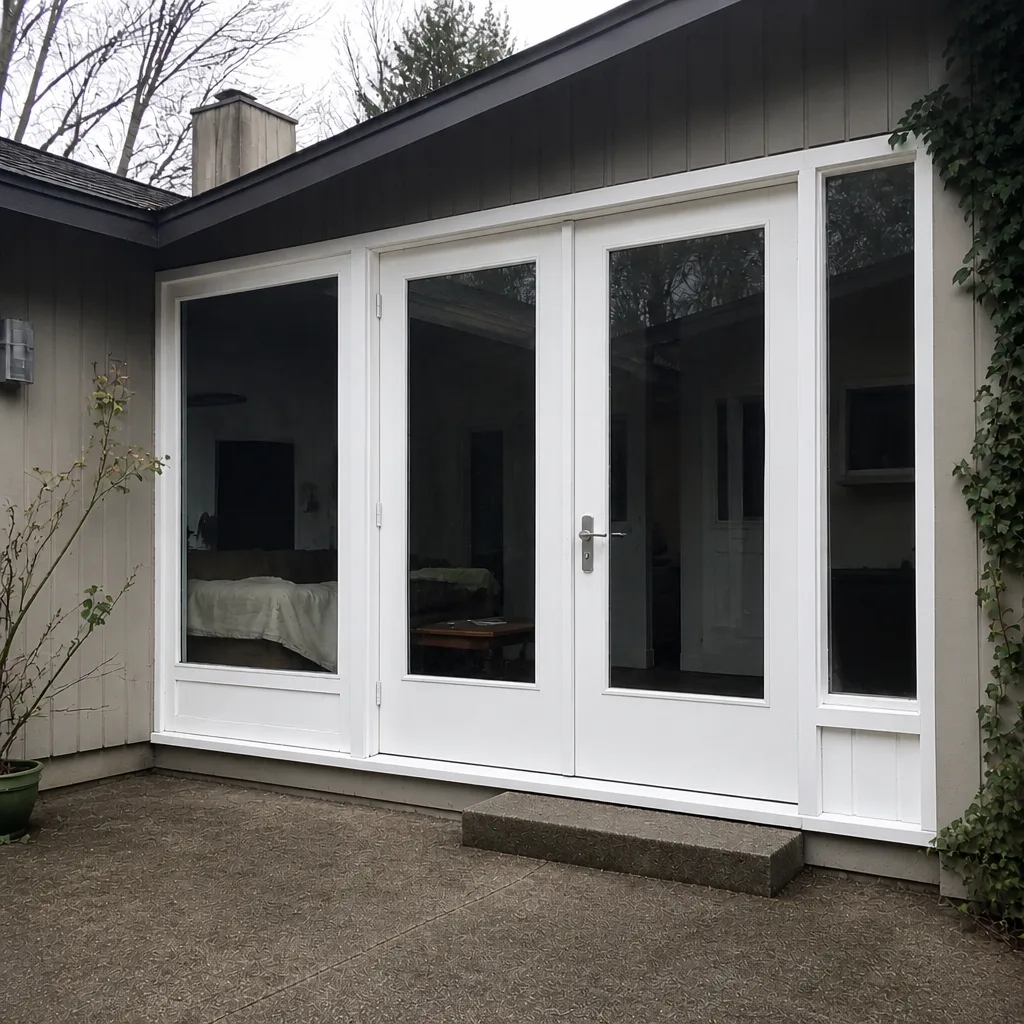 After
When to Call a Professional
Most of this guide is homeowner work: clearing weep holes, checking sweeps, lubricating tracks, monitoring condensation. Call a professional when the problems go past upkeep. That includes foggy glass trapped between panes, recurrent water intrusion despite your September checks, soft or discolored frame material, hardware that won’t seal a door or window, and rooms that stay too hot or too cold no matter what you do. Those are signs the assembly has failed, not the maintenance. Window Replacement Redmond offers free estimates in Redmond, with written line-item quotes and fixed pricing that holds once work starts, handled by vetted local professionals who are licensed and insured as the state requires. Call (425) 699-2135 to schedule your free estimate.
Frequently Asked Questions
September is the single most important month for window and door maintenance in Redmond, because the rainy season delivers most of the year’s precipitation between October and March and the sealant, weep hole, and threshold checks you do in September are what keep that rain out. April and July cover the other two stress points: assessing condensation and seal failure after winter, and protecting finishes and reconsidering glass performance in the summer heat.
If the mist wipes away from the room-side glass with a cloth, it’s surface condensation and points to interior humidity and ventilation. If the cloudiness or water droplets are trapped between the panes and won’t wipe off, the insulated glass unit has lost its seal and needs replacement. Call (425) 699-2135 for a free assessment if you’re unsure.
Yes, and they matter more here than almost anywhere. Weep holes are the drainage path that lets water escape the window frame, so in a climate with 57 inches of rain and heavy storm pulses, a blocked weep hole means water backs up into the frame and wall assembly instead of draining out. Clearing them takes a minute and is one of the highest-value tasks on this calendar.
Prevent it by cleaning and silicone-lubricating the track in December, and don’t force the door if it’s already frozen. If it happens despite that, the track is holding water that shouldn’t be there, and the drainage and weatherstripping need a look. Call (425) 699-2135 for a free estimate if the door needs replacement.
Yes, choosing glass with lower solar heat gain coefficient can meaningfully reduce how much of the sun’s heat enters a west- or south-facing room, which is the usual culprit for rooms that overheat in July. If you’ve lived through several summers with an unbearable afternoon room, it’s worth evaluating lower heat gain glass in the same frame. We can talk through options from multiple brands at no cost; estimates are free.
Replacing windows and entry or sliding doors together keeps the project under one contractor, which means a single point of contact and finishes that match. It also lets your improvements be planned around the same performance goals rather than splitting the work between trades. Browse our window replacement Redmond scope and our door replacement options together, and call (425) 699-2135 for a combined estimate.
The Bottom Line
Window and door care in Redmond works when it follows the actual weather calendar rather than a generic one. September is the month that matters most: sealant, weep holes, and threshold sweeps decide whether winter water gets in. January freezes test your sliding door tracks and casement hardware, April tells you whether winter condensation was surface moisture or a failed seal, and July’s UV and heat stress the south- and west-facing frames that need protection and, sometimes, better glass. Post the month-by-month calendar, do the homeowner tasks, and recognize when the problem has moved from maintenance to replacement. Our technicians have up to 13 years of experience in Redmond. For the bigger decisions, call (425) 699-2135 for a free estimate.
Ready to Take the Next Step?
If your seasonal checks have turned up foggy glass, recurring water intrusion, or rooms that no longer perform, the next move is a free estimate, not a purchase. We’ll walk you through your window replacement options across eight brands, from energy-focused lines to impact-rated products, and put the scope in writing before anything is ordered. Call (425) 699-2135 to schedule your free estimate, and we’ll help you pick the product that fits your home rather than the one on the shelf. To get started with a window assessment, see our window replacement page.
Written by the team at Window Replacement Redmond.