Last updated November 25, 2026
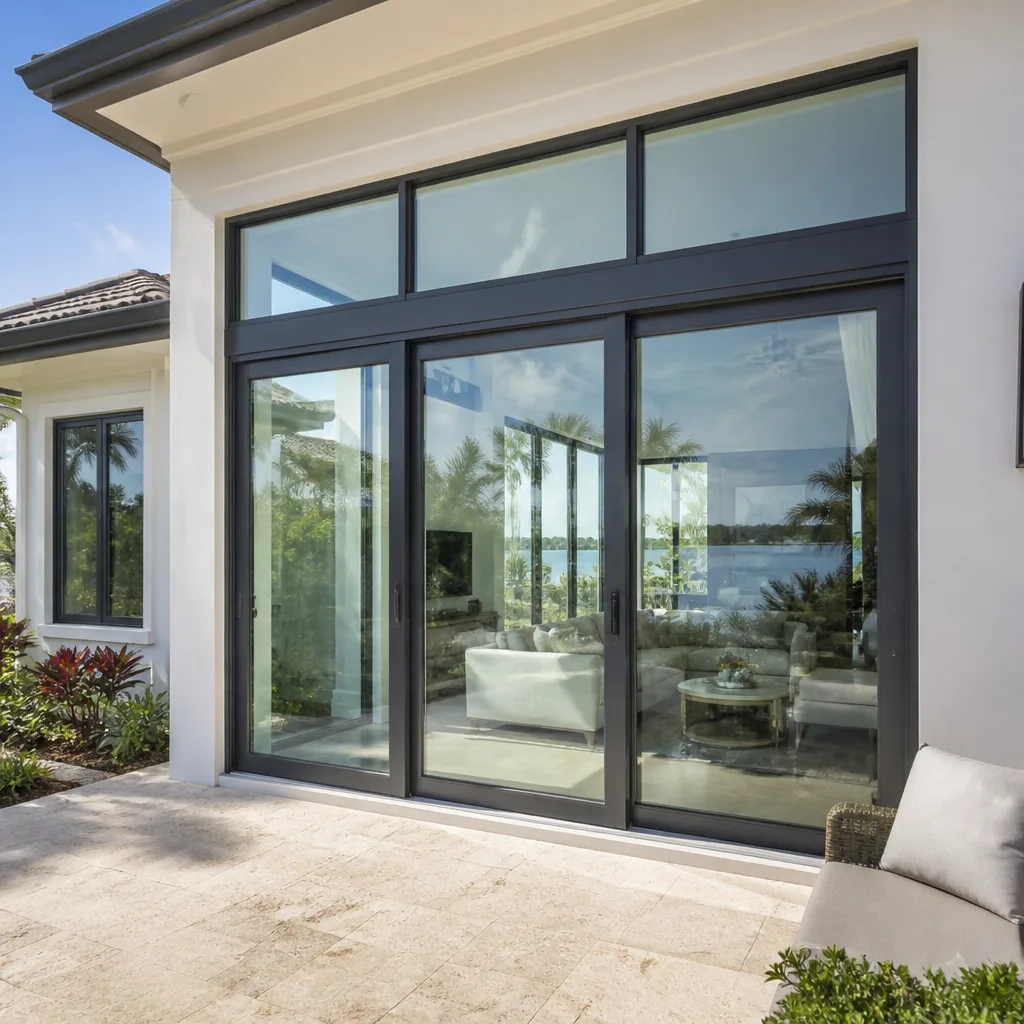
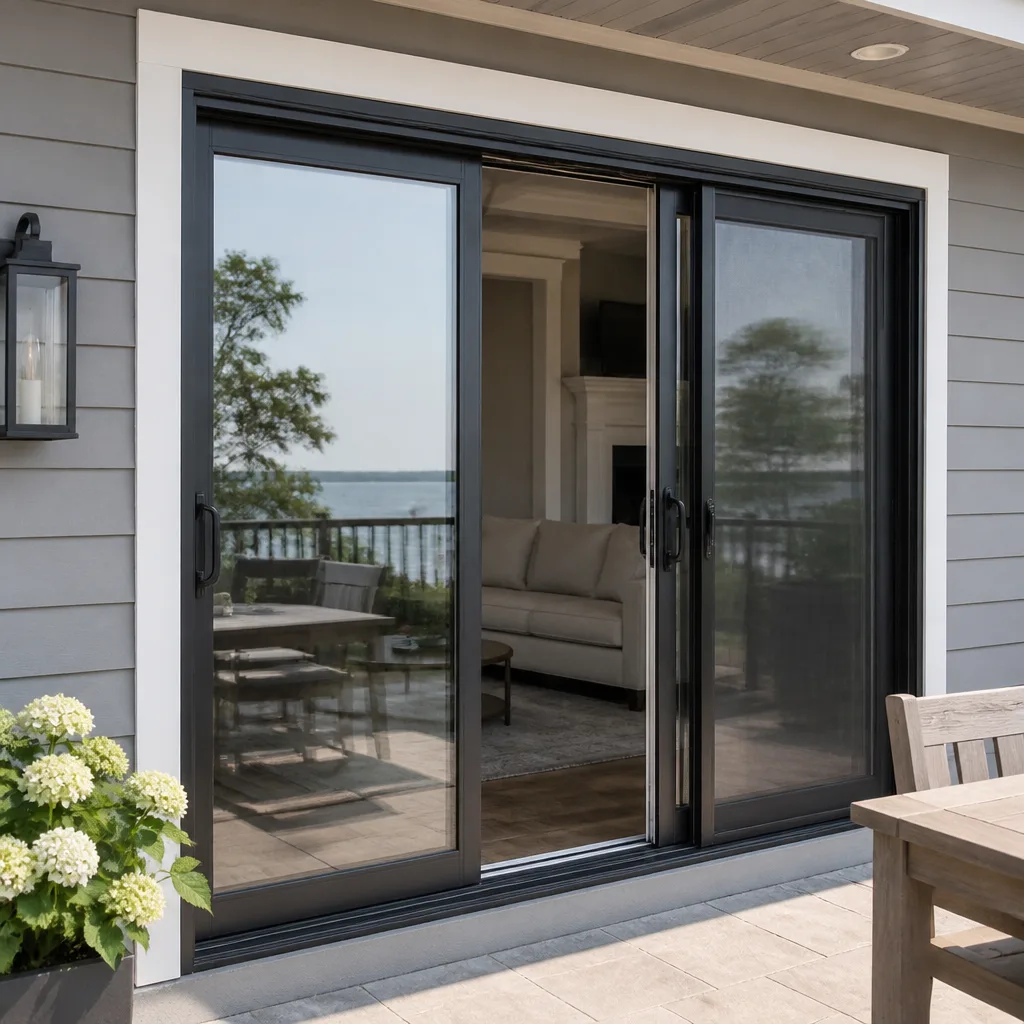 Sliding glass doors
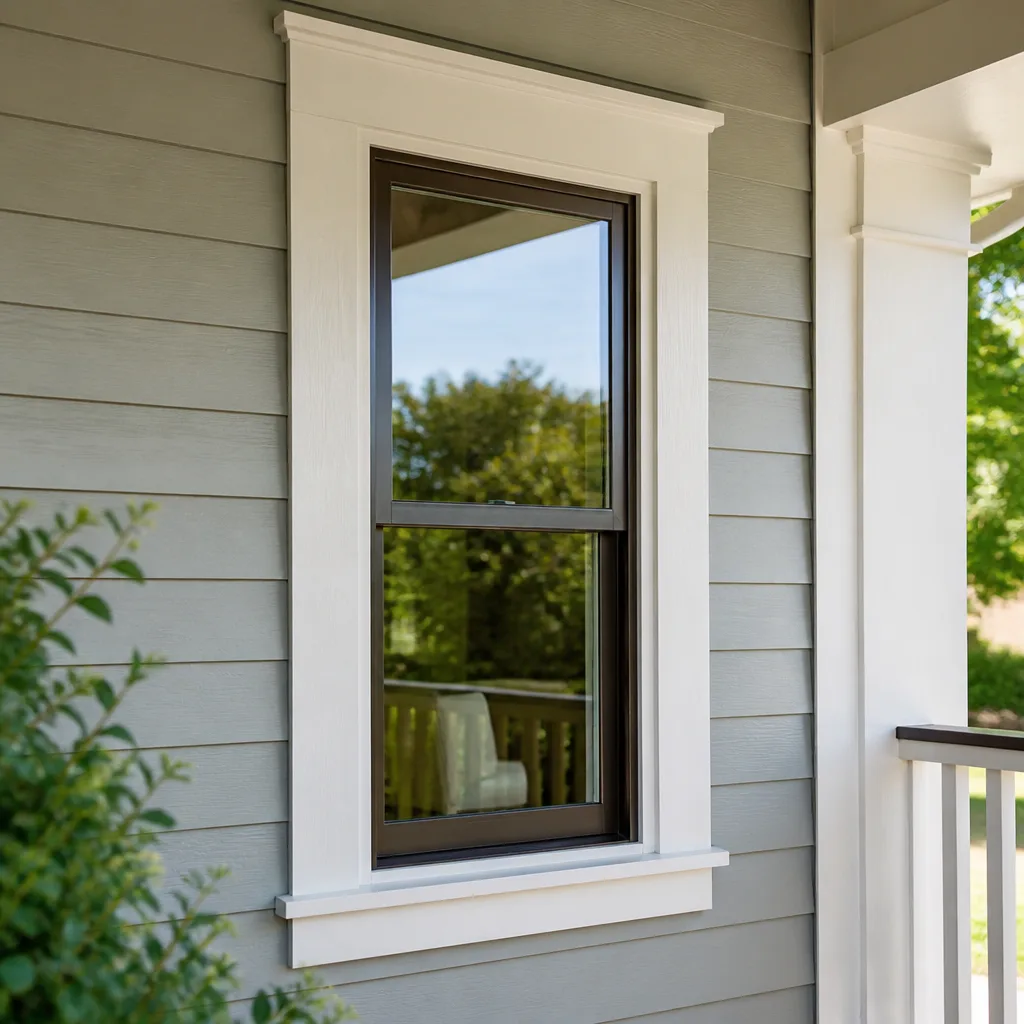 Single hung
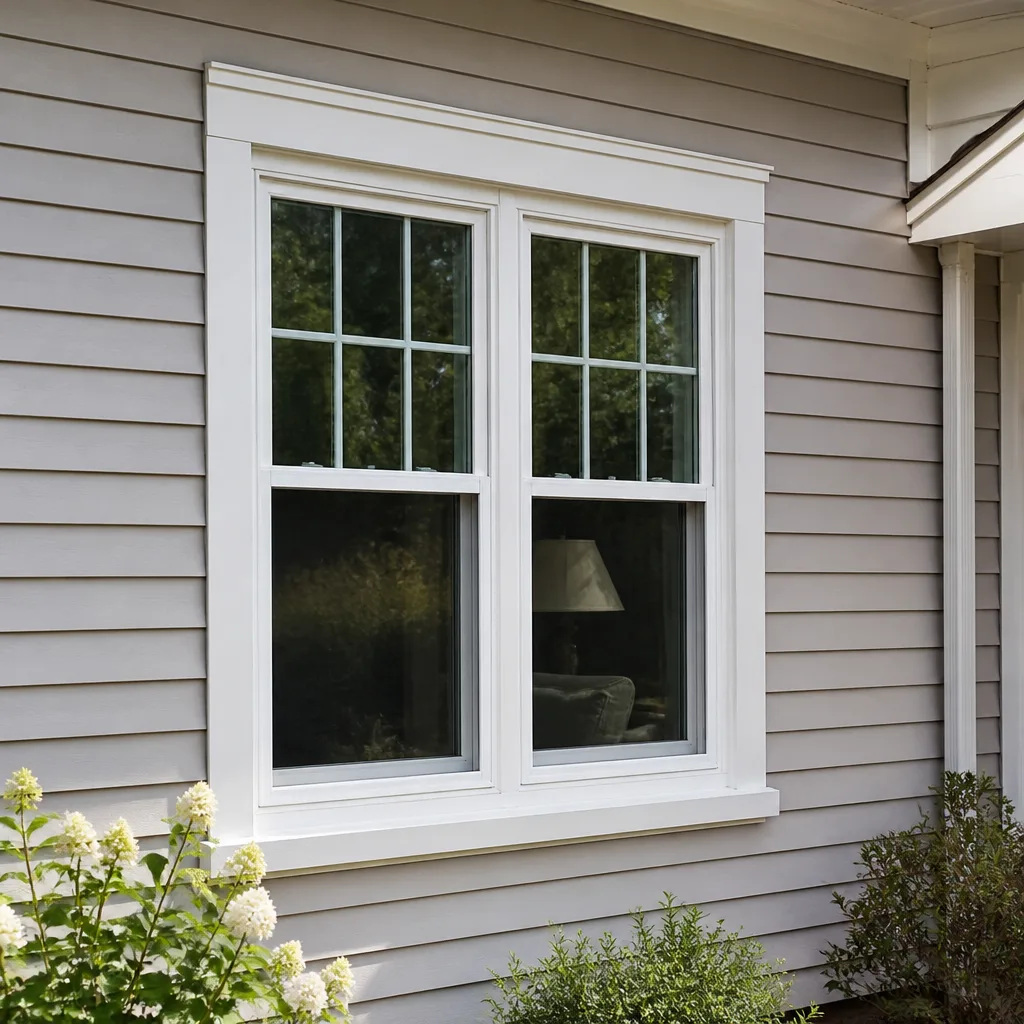 Double hung
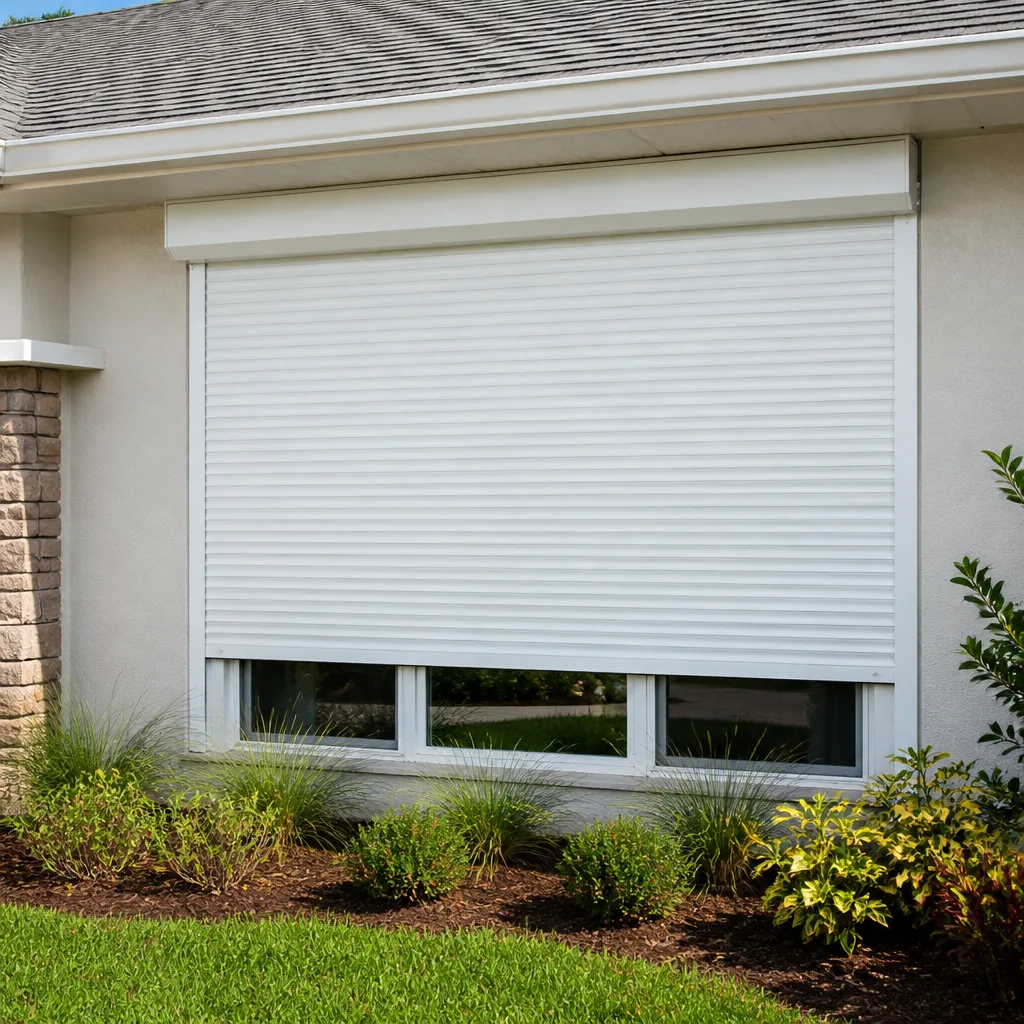 Horizontal roller
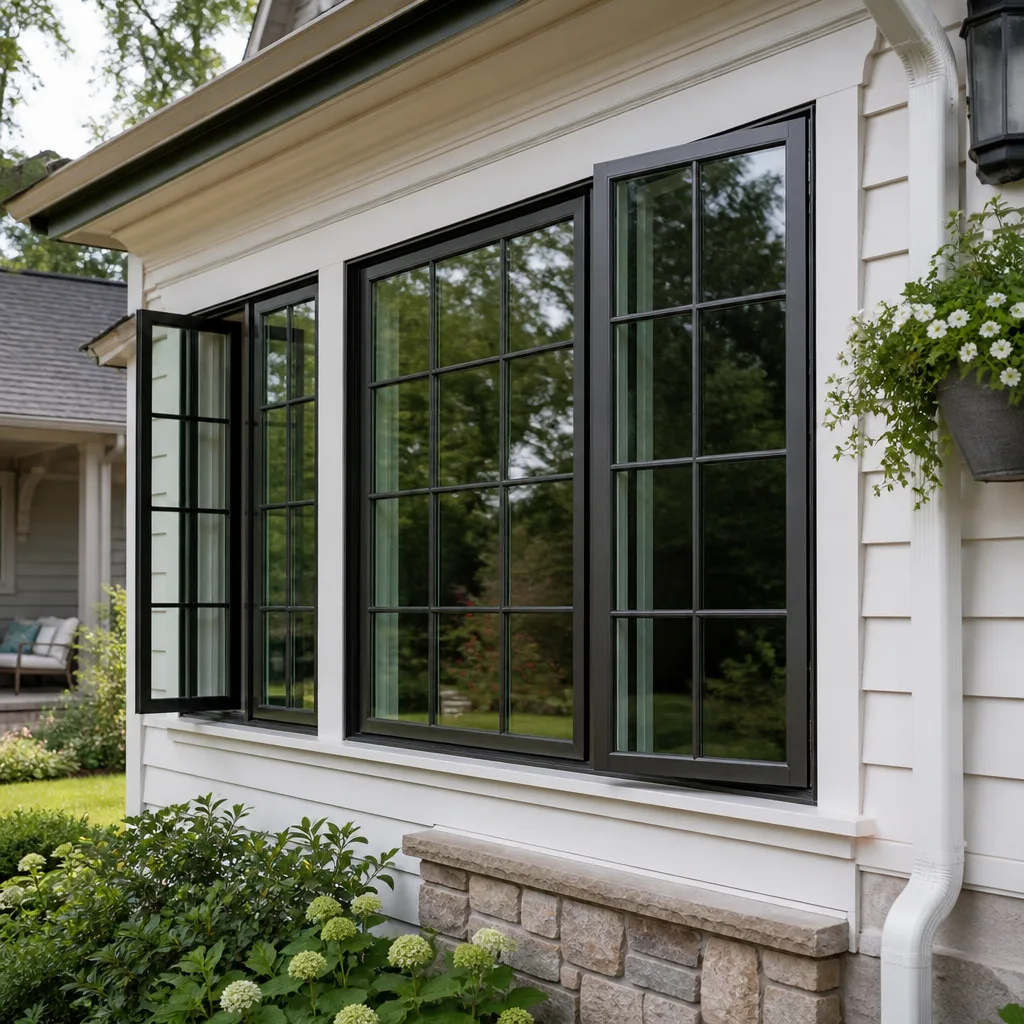 Casement
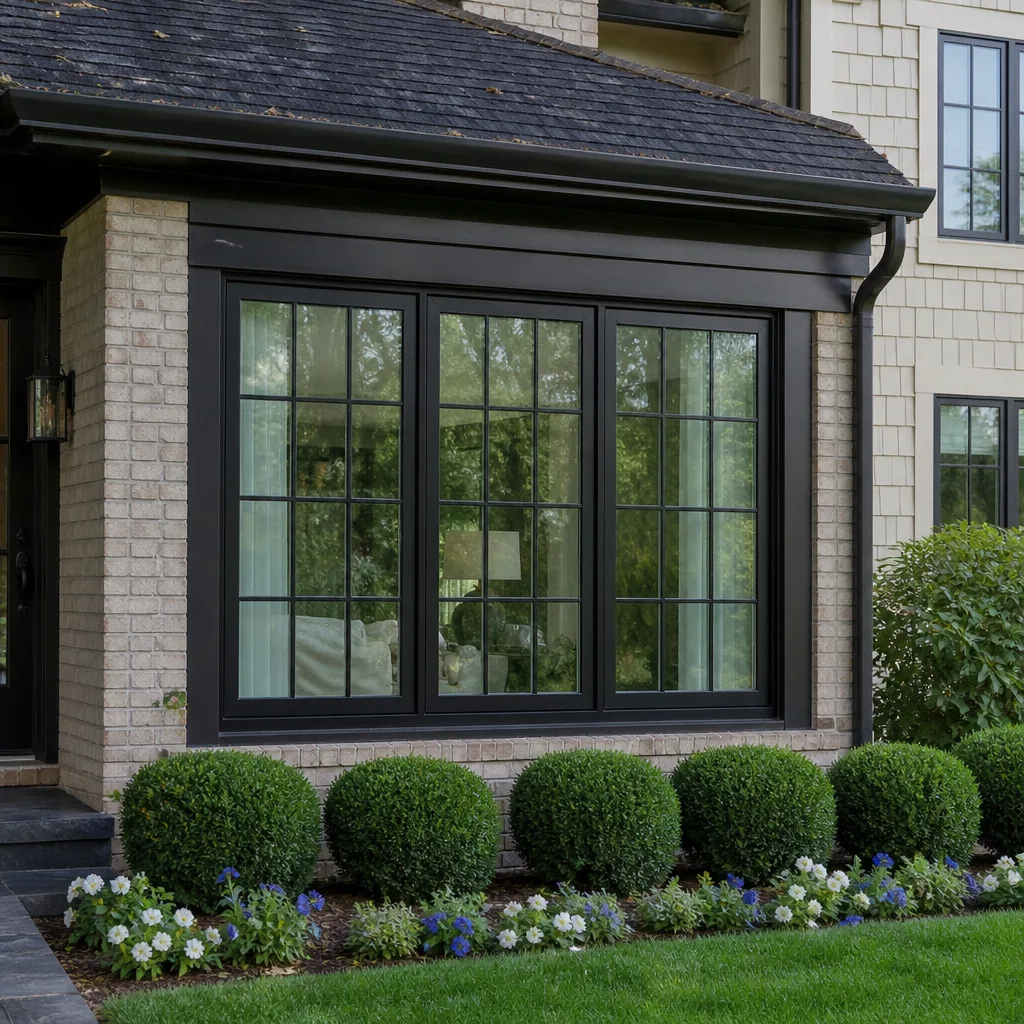
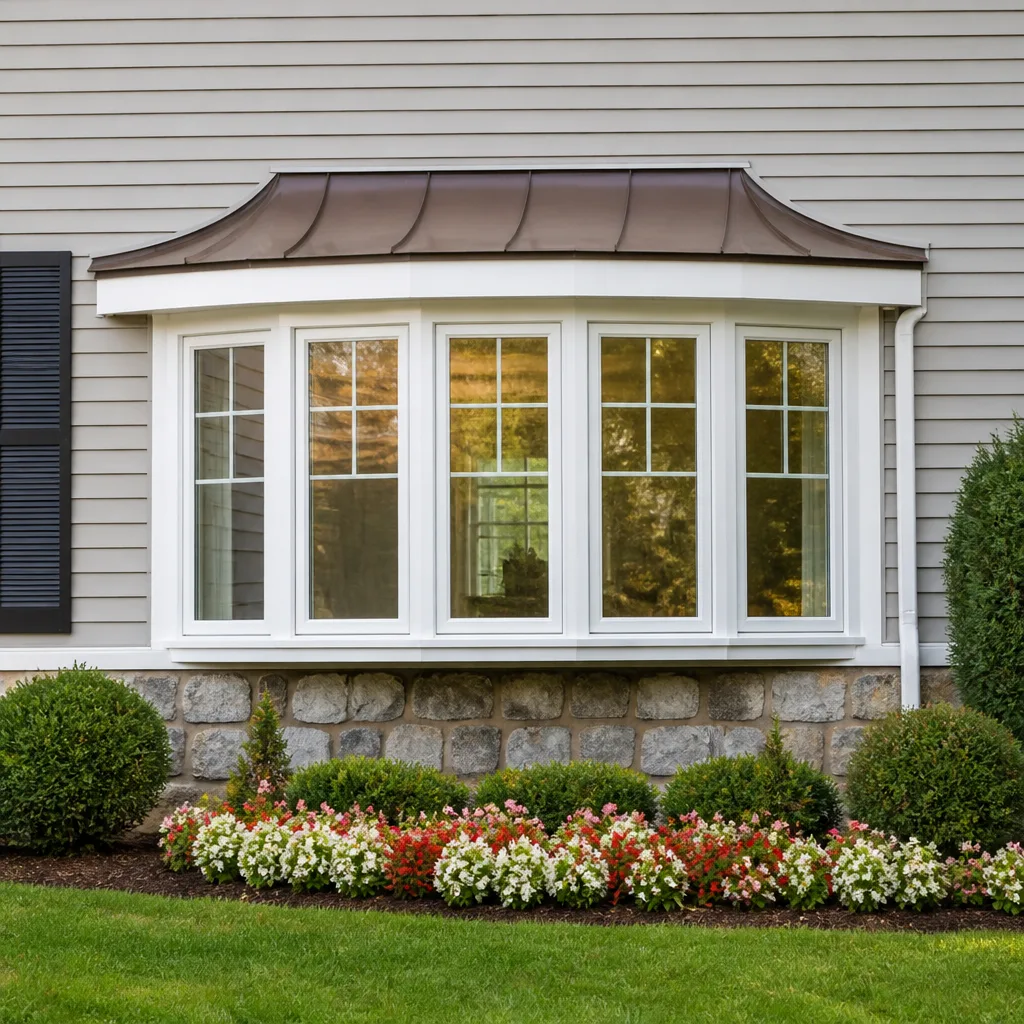 Bay & bow
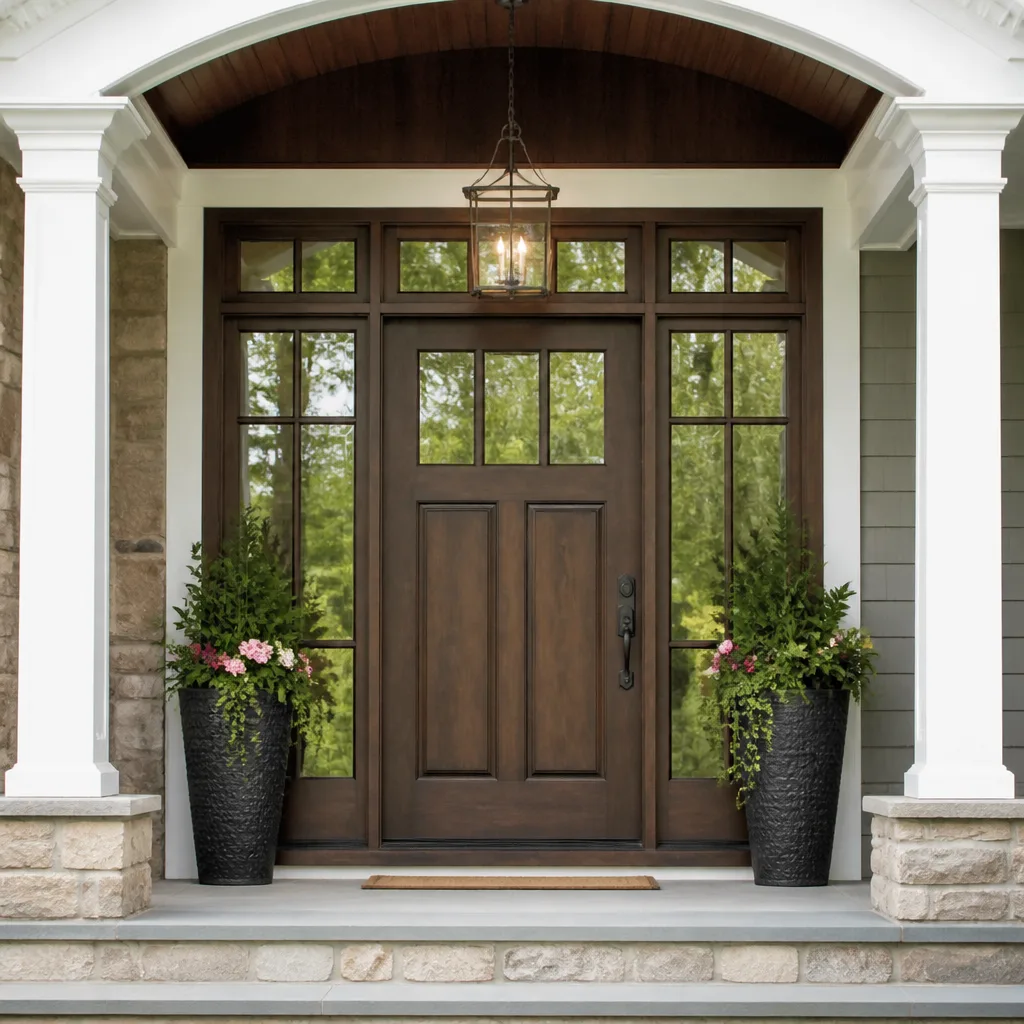 Entry doors
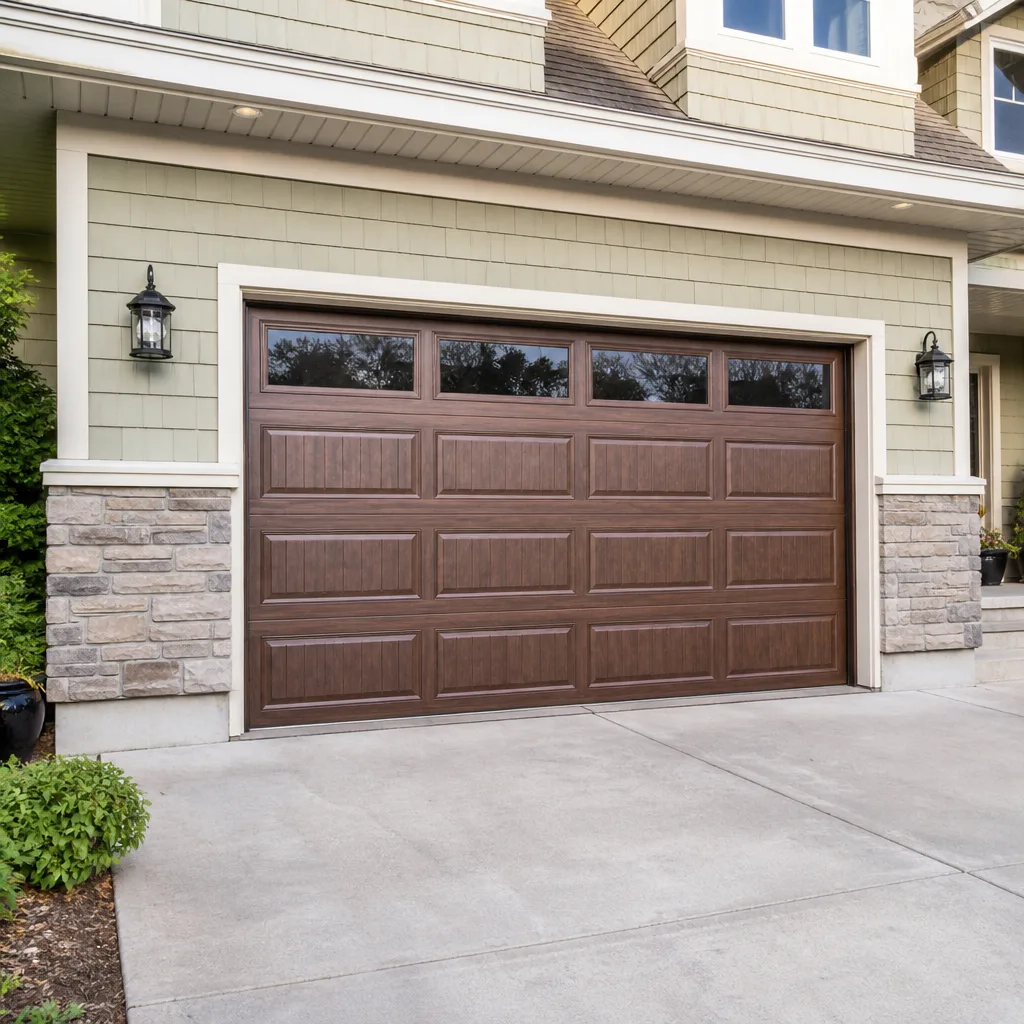 Impact garage doors
 PGT
 CGI
Free in-home measure and quote - PGT, CGI and CWS impact lines compared on your actual openings, style by style
Get your free estimateHow to Hire a Windows & Doors Contractor in Redmond: A Step-by-Step Guide
Most homeowners spend more time comparing window glass than comparing contractors, which is backwards. The product you choose matters, but the installer holding the level and the caulk gun decides whether that product performs for the next twenty years or starts leaking in three. In Redmond, the market mixes genuine multi-brand specialists with single-line dealers who rebrand limited inventory as “custom consultation.” This guide shows you the exact license lookups, document requests, quote-reading habits, and in-home questions that separate the two – so you know who you’re actually talking to before you sign anything.
Quick Answer
To hire a windows and doors contractor in Redmond, verify the contractor’s Washington state registration and insurance through the L&I contractor database, confirm they carry general liability and workers’ comp, ask for a written line-item quote that names the specific manufacturer and product line, and get the installation warranty in writing separate from the manufacturer warranty. A legitimate Redmond contractor welcomes these requests. A single-line dealer who dodges them is telling you something important.
Styles & brands we work with
- Single hung
- Double hung
- Horizontal roller
- Casement
- Bay & bow
- Sliding glass doors
- Entry doors
- Impact garage doors
- PGT
- CGI
Table of Contents
- Step 1: Run the Three Washington L&I Lookups First
- Step 2: Tell a Multi-Brand Dealer From a Single-Line Rep
- Step 3: Read the Quote Like an Installer Would
- Step 4: Separate the Installation Warranty From the Manufacturer Warranty
- Step 5: Spot Door-Installation Bid Red Flags
- Step 6: Five In-Home Questions That Reveal Real Experience
- What Makes Redmond Projects Different
- Your Pre-Signing Walkthrough Checklist
Step 1: Run the Three Washington L&I Lookups First
The State of Washington requires window and door installers to hold a contractor registration through the Department of Labor & Industries, and to carry general liability insurance plus workers’ comp before a single tool comes out of the truck. Plenty of homeowners never check. That single habit – or the lack of it – is where most hiring regrets begin.
Before the first in-home appointment, pull up the L&I contractor database and run three separate lookups. Do them in this order:
- Registration status. Search the contractor’s business name and confirm the registration is active, not expired or suspended. Note the registration class and the type of work it covers.
- General liability insurance. The database shows whether the policy is current and the coverage amount. If it lapsed last quarter, that’s your answer on whether to proceed.
- Workers’ comp. Confirm the contractor has an active workers’ comp account. Without it, an injured installer on your property creates a problem you don’t want to own.
Any Redmond contractor who hesitates when you mention the L&I database is telling you what the database would tell you anyway. Run it yourself. It takes five minutes and it’s public.
What “registered” does and doesn’t mean
Registration confirms a contractor meets the state’s basic requirements to legally do the work. It doesn’t guarantee workmanship, and it doesn’t rank one contractor above another. Treat it as the floor, not the ceiling. The rest of this guide is about everything above that floor.
Step 2: Tell a Multi-Brand Dealer From a Single-Line Rep
The single most useful question in a windows and doors consultation isn’t about price, glass, or lead time. It’s this: how many manufacturers can you source from? A true multi-brand dealer will name several, explain what each brand is good at, and tell you which one fits your project and why. A single-line rep will talk about their one brand as though the alternatives don’t exist.
Here’s how to spot the difference from the paperwork you receive, before you’ve even sat through the full sales pitch:
- Quote format. A multi-brand specialist’s quote names the manufacturer, the specific product line, and the model or series number. A single-line dealer’s quote often says “premium vinyl window” or “custom replacement unit” without naming the product. When the product name is missing, you’re being sold whatever’s on the floor.
- Product list breadth. Ask for a list of every product line they can order. A true specialist will have impact-rated lines, energy-performance lines, and architectural lines represented. If the same company name is the only brand on the list, you’re not getting advice – you’re getting a rep.
- Impact and energy lines. A dealer who can actually quote impact-rated product (PGT and CGI are two of the strongest names in storm-grade materials) and separately quote energy-focused lines (ES Windows among them) can give you a real recommendation. A dealer who only stocks one line can only sell you one answer.
- “Custom consultation” language. If the sales rep calls their process “custom” but the quote shows a single manufacturer, “custom” is marketing, not capability.
We work from eight manufacturer lines because a Redmond home in a wind-exposed spot and a Redmond home in a sheltered cul-de-sac don’t need the same window, and the difference is real money over a decade. A single-brand installer can’t tell you that. A multi-brand one can.
Step 3: Read the Quote Like an Installer Would
A written quote is where a contractor’s competence becomes visible. You don’t need to be an installer to spot the difference between a quote that will hold and one that will lead to disputes – you just need to look for what’s missing.
Here’s the minimum a Redmond windows quote should contain, line by line:
- Manufacturer and product line for every opening. No generic descriptions.
- Model or series number and any options selected (glazing package, screen type, hardware finish).
- Opening dimensions as measured, not as estimated. The difference matters for rough openings.
- Removal and disposal of old units, stated as a line item.
- Flashing, sealant, and weather-barrier integration listed for door installs (more on this below).
- Installation warranty terms in full, separate from the manufacturer warranty.
- Payment schedule with a legitimate deposit and a final payment held until walkthrough.
Ask for line-item pricing per opening. A quote with one lump sum hides the cost of the hardest windows and makes it impossible to trim scope later if the budget shifts.
Ask what’s excluded
Equally important: what does the quote not include? Trim repair, drywall patching, stucco return, paint, or screen replacement sometimes sit outside the base bid. A good contractor will tell you which items fall outside the scope and what they cost if you want them baked in.
For a broader look at how replacement pricing is framed across the area, our Window Replacement Redmond overview is a useful companion as you compare numbers.
Step 4: Separate the Installation Warranty From the Manufacturer Warranty
Most disputes in this trade live in the space between two pieces of paper: the manufacturer’s product warranty and the installer’s workmanship warranty. Homeowners often assume one covers the other. It doesn’t.
A manufacturer warranty covers the product itself – the window’s frame, glass seal, and hardware, as defined by that specific manufacturer. If the glass fogs between the panes, that’s usually a manufacturer matter. If the window leaks around the frame three days after install, that’s a workmanship matter, and the manufacturer will not be there for you.
The installation warranty is the contractor’s promise about their own work: sealing, flashing, level and square, anchoring, drywall return, and how the unit performs at the opening once the contractor is done. Ask for it in writing and get answers to these:
- How long is the workmanship warranty, and what does it cover in specific terms?
- If a leak appears at a flashing point six months out, who comes back and under what terms?
- Is the installation warranty transferable if you sell the home?
- Does the contractor put the warranty in the contract, or only mention it verbally?
The gap between the two warranties is where leak disputes, fog issues, and draft complaints get stuck. When a contractor offers no installation warranty at all, you’re being asked to take on the whole risk. When one offers a written one, that’s a genuine sign of confidence in the work.
The same distinction applies on doors, which is why we treat door replacement warranties as a separate conversation from window warranties, even when both are installed under one contract.
Step 5: Spot Door-Installation Bid Red Flags
Doors fail differently than windows. Where a bad window install shows up as a draft or condensation, a bad door install shows up as rot in the rough opening two years later. That’s why the language in a door bid matters even more than the language in a window bid. Here are three specific patterns to watch for.
Vague rough-opening language
A legitimate door bid will describe how the rough opening is prepared and how the new unit is shimmed, anchored, and aligned. If the bid just says “remove and replace door” without mentioning the rough opening, you have no idea what will happen behind the trim.
Missing flashing specifications
Flashing is the metal or membrane that directs water away from the opening instead of into it. A door bid that doesn’t name flashing isn’t describing an installation that will stay dry through a Redmond rain season. If the bid is silent on flashing, ask what type will be used and how it integrates with the surrounding wall.
No mention of weather-resistive barrier (WRB) integration
The WRB is the house’s primary barrier against bulk water, and a new door has to tie into it correctly. A bid with no WRB language is a bid where the contractor hasn’t thought through how the new opening will stay waterproof long-term. It’s the difference between a door that looks right at installation and one that performs through a decade of weather.
Ask for the door model by name
Entry doors are increasingly branded product – Therma-Tru is a common name in residential entry door systems, and the bid should call out exactly which series is being quoted. If the door bid doesn’t name the line, you don’t know what’s arriving on the truck.
Our window replacement work follows the same documentation standard we expect on doors: product named, methods named, warranty named.
Step 6: Five In-Home Questions That Reveal Real Experience
You don’t have to audit credentials yourself during the in-home estimate. The questions below do most of the work for you, because a strong installer answers them without hesitating and a weak one pivots to price or “we’ll figure that out on install day.”
- “What’s the worst thing you can find behind the trim on my house?” A good installer names specific problems: rotten framing, missing flashing from a previous install, or improper existing drainage. A single-line rep changes the subject.
- “How do you decide which window brand to quote me?” Listen for a real answer tied to wind exposure, sun orientation, and energy performance. If the answer is “we only carry one brand,” you know what you’re dealing with.
- “Show me an example of how you integrate flashing into a door install.” An experienced installer describes the steps in order without a script. A rep recites “code-compliant” and moves on.
- “Who actually does the work – your own installers or subcontractors?” Either answer is fine, but the contractor should know and say so clearly. Ambiguity here is a warning.
- “Can you walk me through what you’d do differently on my north-facing wall versus my south-facing wall?” Orientation and exposure matter in Redmond. An installer who has done this for years will talk about moisture and sun differently for each side of the house.
Our technicians have up to 13 years of experience, and that experience shows up most clearly in how they answer questions like these, not in a pitch deck.
What Makes Redmond Projects Different
Redmond sits in a climate that stresses windows and doors in specific ways. Long, wet winters and persistent wind-driven rain test the seals, flashings, and integrations on every opening on the house. That environment means the product choice and the installation method have to work together, not just separately.
A few Redmond-specific considerations worth raising in your consultations:
- Wind-driven rain. Crosswinds push water at the sides of openings, not just the face. Drip caps, end-dams, and correct flashing matter for the openings exposed to prevailing weather.
- Tree cover and sun exposure. Homes near Marymoor Park or along the Sammamish River corridor often sit under heavy canopy. That affects how much condensation forms on the cool interior face, and it’s a factor in glazing choice.
- Hillside exposure. Homes on sloped lots in the Union Hill or Education Hill areas get more wind than homes on flat ground. That’s a real factor in whether to lean toward impact-rated product through PGT or CGI, or standard glazing.
- Neighborhood-specific permitting. Most Redmond window and door work needs a permit from the city’s building department; ask the contractor who pulls it and who signs off on the inspection. This is a good question regardless of the project, because it forces a clear answer.
- Energy performance goals. Homeowners in newer Redmond builds often want product that maintains performance on the hottest and coldest days. ES Windows and ECO Window Systems lines exist for exactly that reason – purpose-built residential thermal performance – which is another area where a multi-brand dealer adds real value over a single-line rep.
None of these factors are exotic. But each one changes which window or door is the right one for the house, and a single-line dealer can only offer one answer regardless of what the house actually needs.
Your Pre-Signing Walkthrough Checklist
Before you sign, do one last pass through the paperwork and the conversation you’ve had. Use this checklist as a final filter:
- L&I check complete. Registration active, insurance current, workers’ comp current.
- Multi-brand quote. Manufacturer and product line named on every opening. No generic “custom replacement.”
- Line-item pricing. Per-opening costs visible, not a single lump sum.
- Flashing and WRB language present on all door bids, and on window openings set into framed walls.
- Installation warranty in writing, separate from the manufacturer warranty, with terms you can read before signing.
- Permit responsibility named. Someone owns pulling the permit and passing the inspection, in writing.
- Payment schedule reasonable. A normal deposit, and a final payment retained until the walkthrough is complete.
- Communication channel clear. You know who to call during install if something surfaces.
If a bid clears all eight, you’re dealing with a real contractor. If it fails two or three, take that as information rather than a debate. A single failed item is often fixable. A pattern isn’t.
Common Mistakes to Avoid
- Skipping the L&I check because the contractor “seemed professional.” Presentation isn’t credentialing. The database takes five minutes and doesn’t care how personable the sales rep was.
- Accepting a one-line quote. “Premium vinyl replacement, 9 units, $X” tells you nothing about the product. Insist on manufacturer and line per opening, or you’re buying a vague promise.
- Assuming the manufacturer warranty covers installation. It doesn’t. Fogged glass usually goes back to the manufacturer; a leak at the flashing is a workmanship problem and needs a workmanship warranty.
- Letting a door bid skip flashing and WRB language. These are the two most common causes of door-adjacent rot in wet climates. If they’re missing from the bid, ask before you sign.
- Choosing a brand before choosing a contractor. The installer decides how that brand performs. Brand-first shopping often means choosing a product a single-line dealer pushed, not one that fits the house.
- Comparing lump sums across contractors. Two lump-sum bids can cover completely different scopes. Line-item pricing is the only fair comparison basis.
- Missing the permit question. Ask who pulls the permit and who signs off with the city. A contractor who can’t answer this has done the job in a way that could create resale trouble down the road.
See the difference
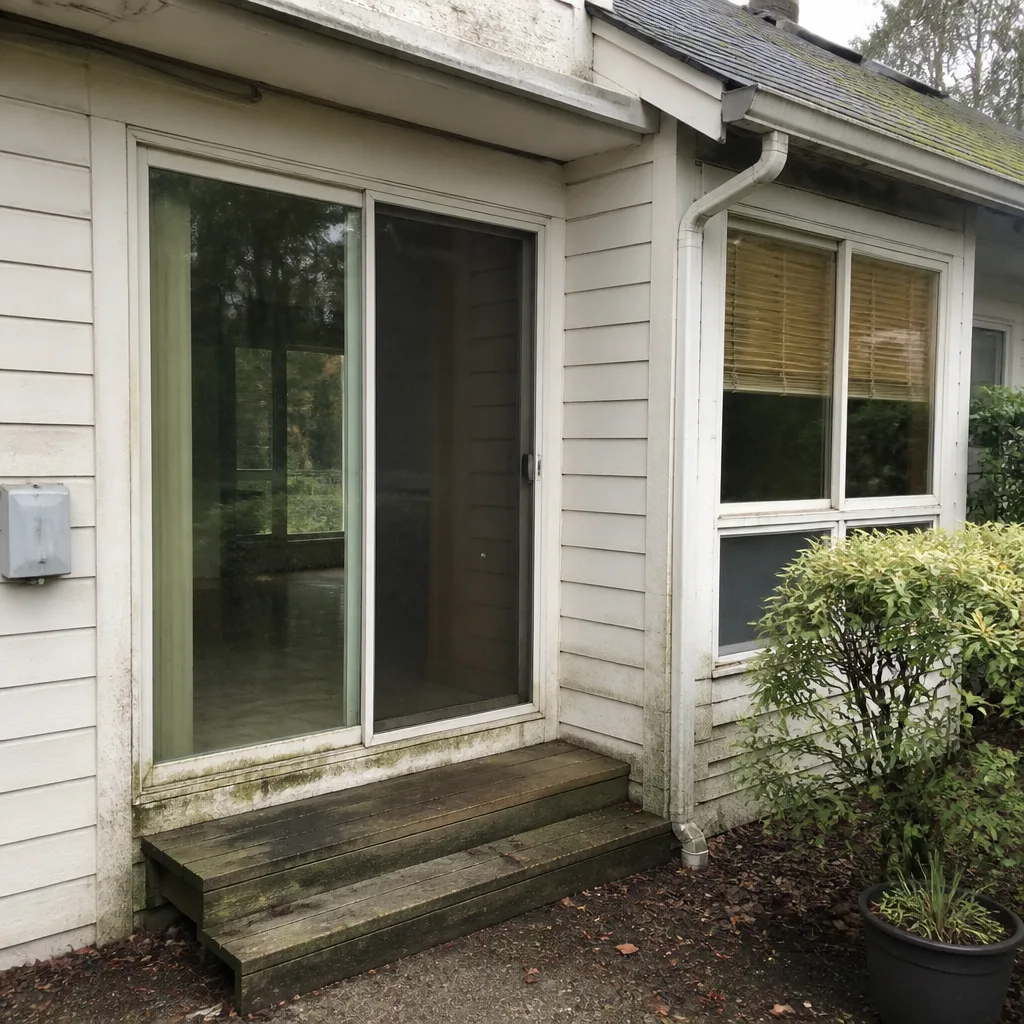 Before
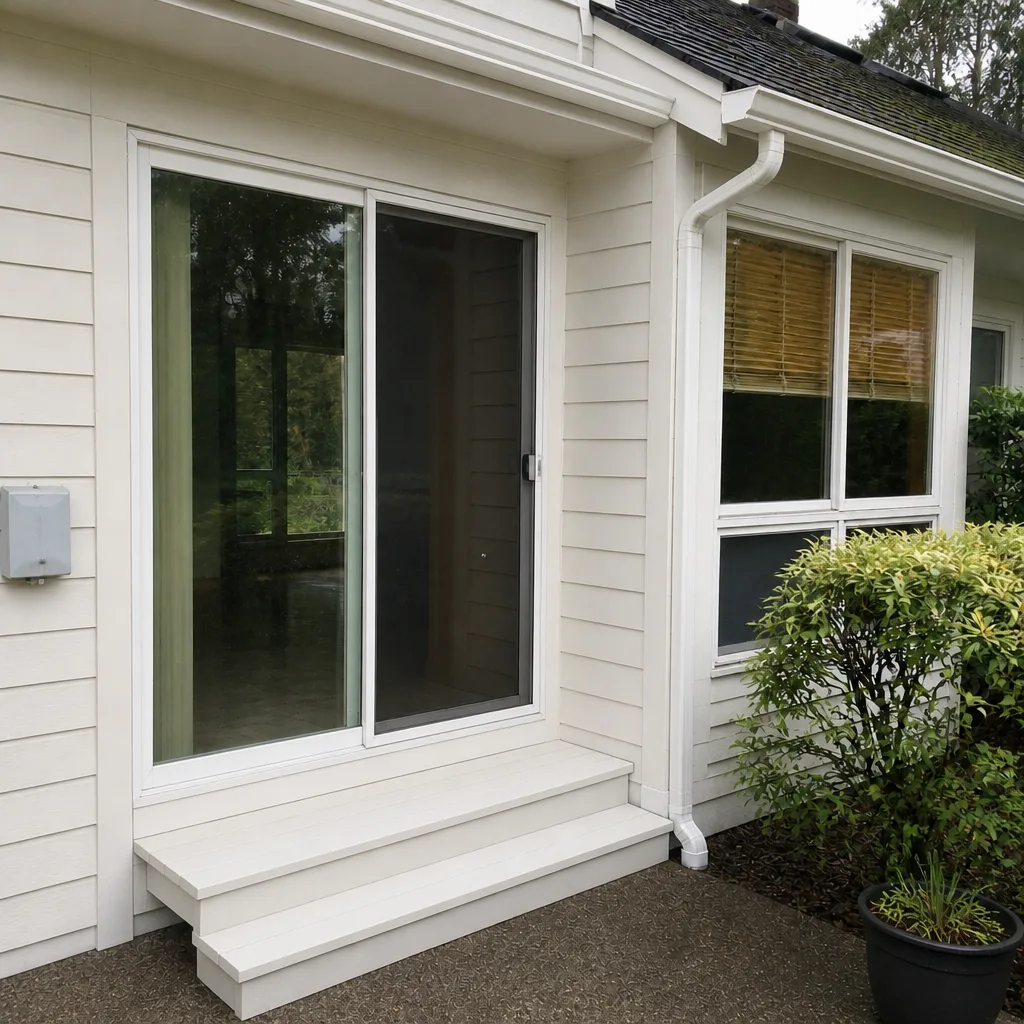 After
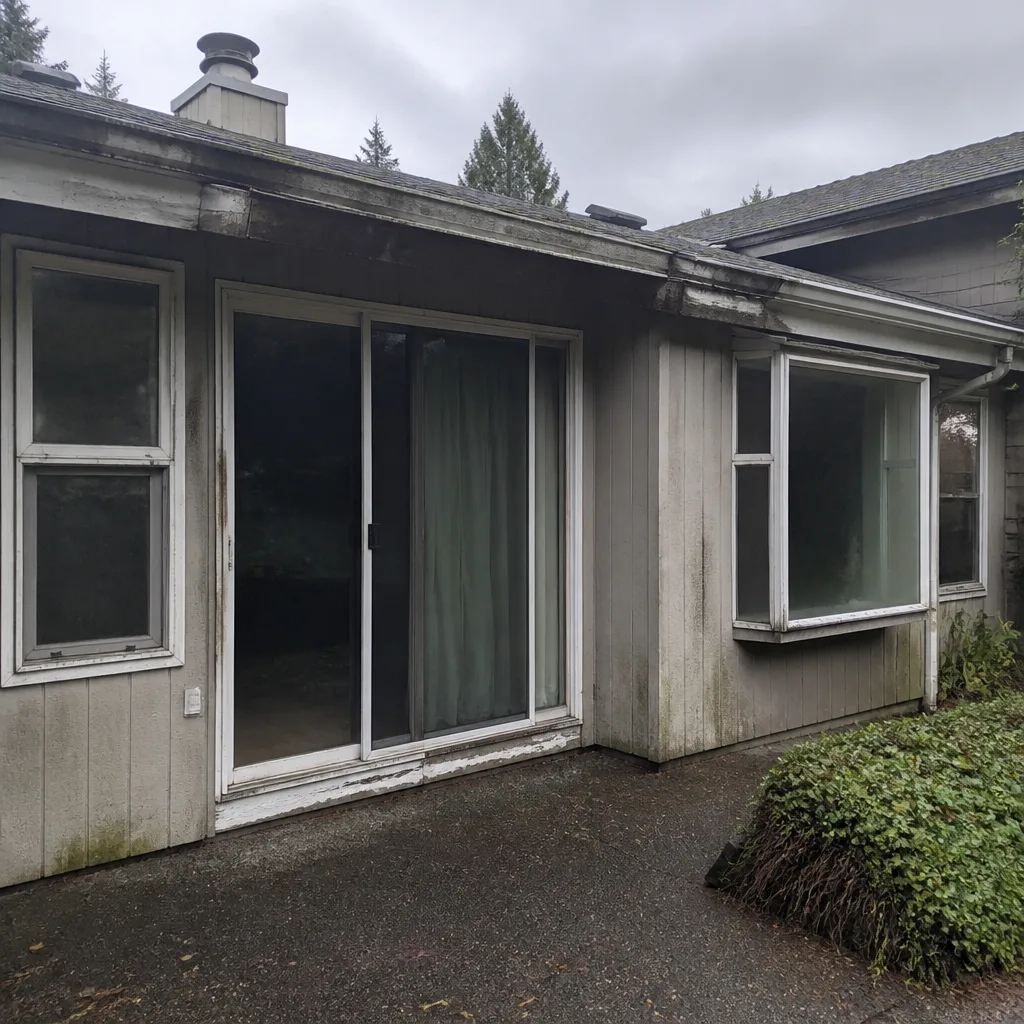 Before
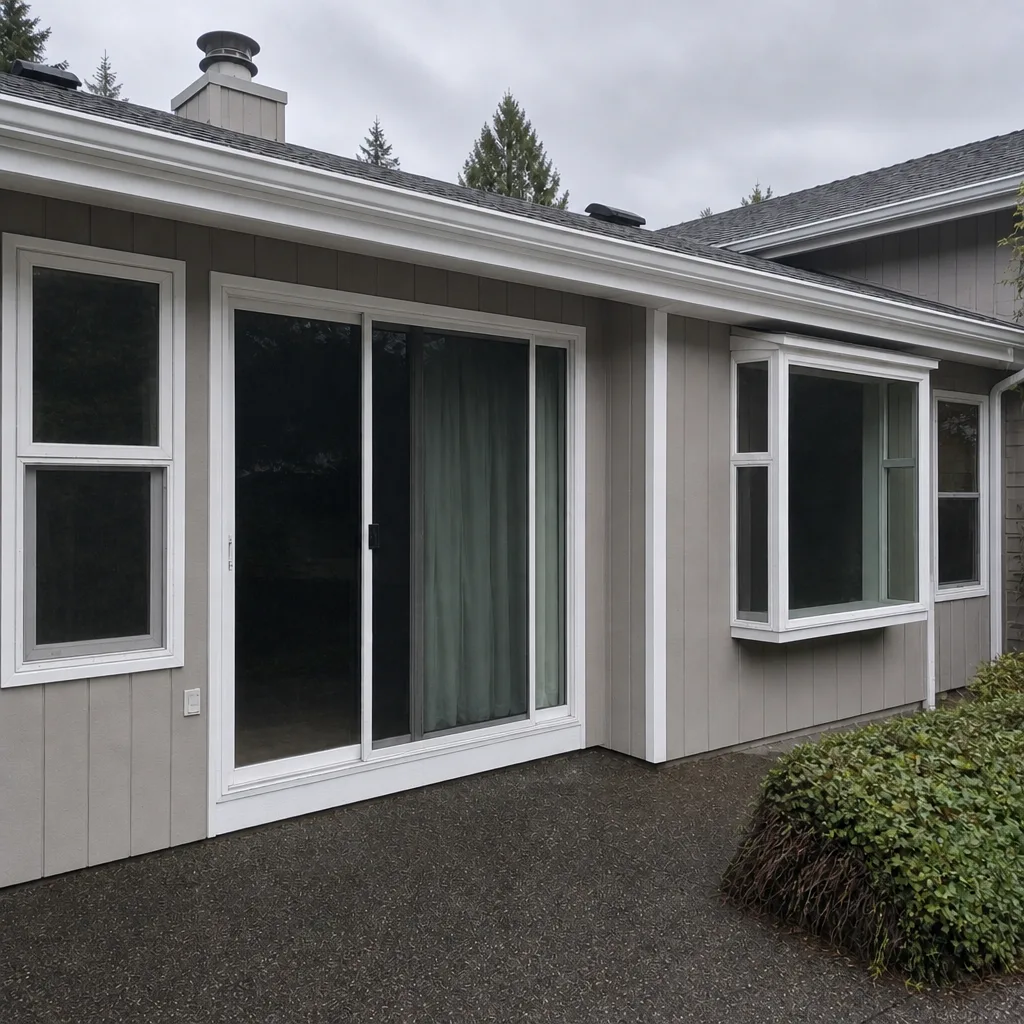 After
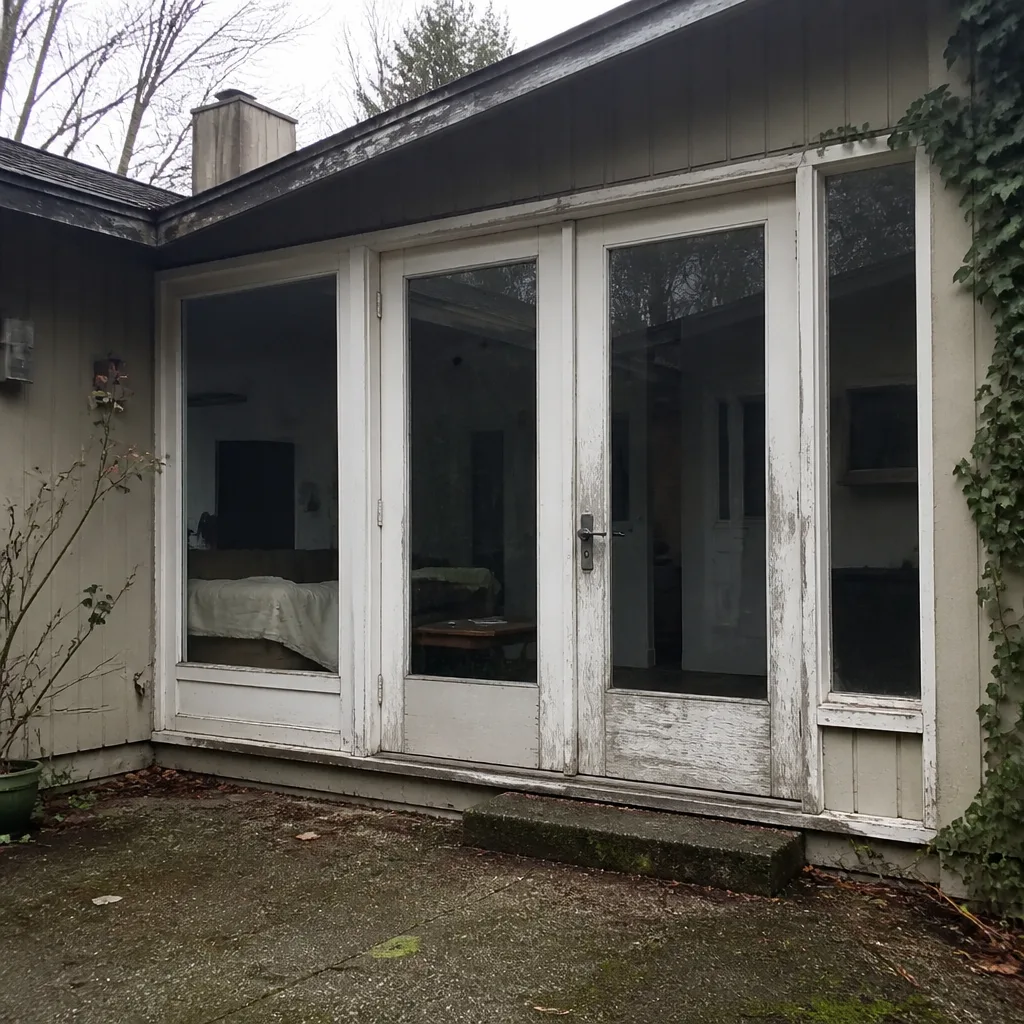 Before
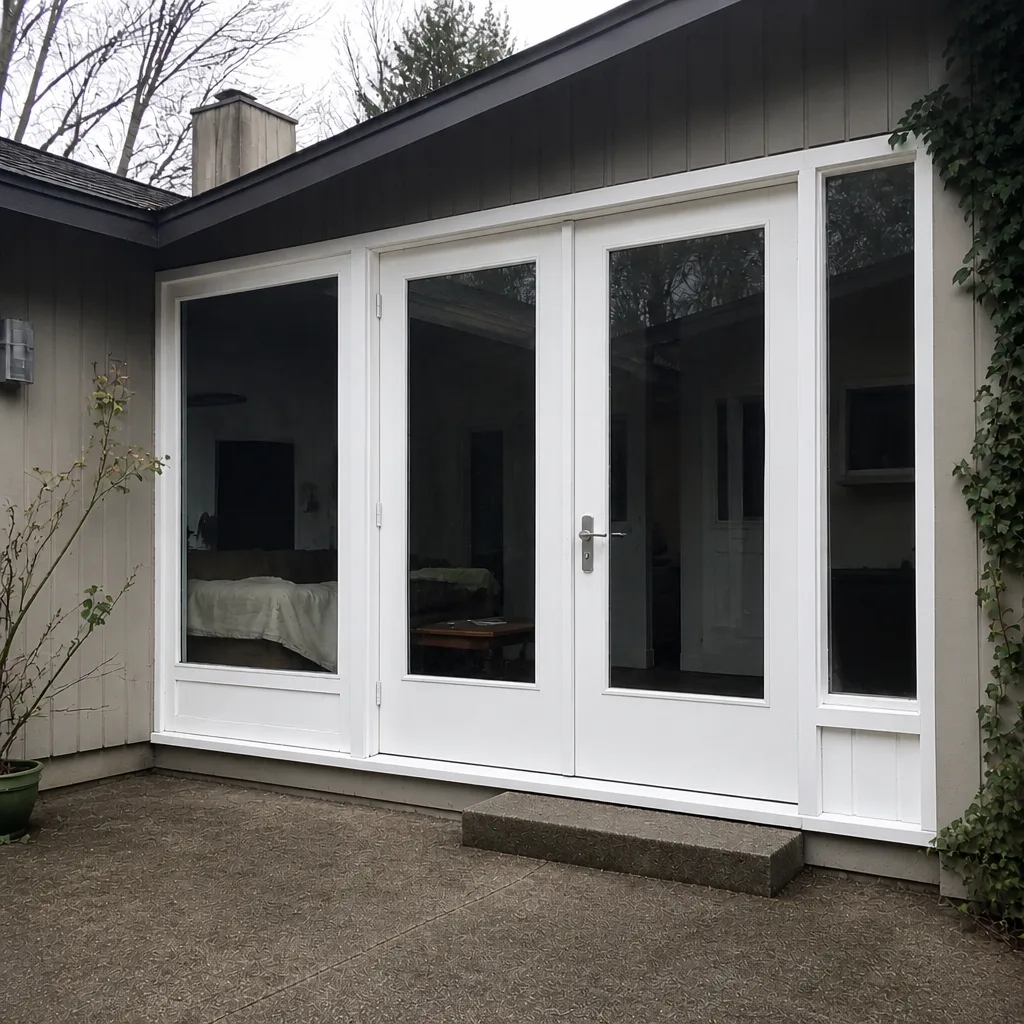 After
When to Call a Professional
Some window and door work is scheduled planning, and some is a response to a condition that keeps getting worse. If condensation forms permanently between panes, if a door won’t close flat because the opening has shifted, if a draft appears across a wall that used to be tight, or if you see water staining on interior trim after rain, that’s a professional assessment rather than a waiting game. The same is true before any permit-driven project: the paperwork side alone is easier with a licensed contractor who does this regularly. Window Replacement Redmond offers free estimates in Redmond – call (425) 699-2135 to start the conversation with a written quote. We handle window and door replacement or installation projects of three openings or more, so scope matters when you call.
Frequently Asked Questions
Use the Washington State Department of Labor & Industries contractor database. Search the contractor’s business name there, confirm the registration is active, then verify both general liability insurance and workers’ comp are current. It’s public, it takes a few minutes, and it’s the single most useful pre-appointment step you can take.
Look at the quote format and the product list. A true multi-brand dealer names the manufacturer and product line on every opening and can quote you more than one option with reasons for each. A single-line rep quotes one brand, uses generic descriptions like “custom replacement,” and struggles to explain trade-offs between brands.
The workmanship behind the install: sealing, flashing, anchoring, level and square, drywall return, and how the unit performs at the opening after the crew leaves. That’s separate from the manufacturer warranty, which covers the product itself. Get the installation warranty in writing and ask what happens if a leak shows up at a flashing point six months later.
Flashing specifications and weather-resistive barrier (WRB) integration. Both are essential in a wet climate and both are easy to leave off a bid. Ask specifically what flashing will be used and how the door opening will tie back into the WRB. A bid that doesn’t answer those questions isn’t ready to sign.
Most window and door replacement work requires a permit from the city’s building department, but the specific scope determines the requirement. Ask the contractor who pulls the permit and who is responsible for the inspection sign-off. Get both answers in writing before signing the contract.
It changes the recommendation because the recommendation is the point. A sheltered interior window in Redmond and a wind-exposed opening on a sloped lot don’t need the same product. Impact-rated lines through PGT or CGI and energy-focused lines through ES Windows are solving different problems. A single-line dealer can only offer one answer regardless of the house.
The Bottom Line
The best windows and doors contractor in Redmond isn’t the one with the biggest pitch – it’s the one whose paperwork holds up to five minutes of L&I verification, whose quote names the product line by line, whose door bids specify flashing and WRB integration, and whose installation warranty is written and separate from the manufacturer’s. A multi-brand dealer can give you options matched to the house; a single-line rep can only offer what’s in their catalog. Get the free estimate in writing, verify the credentials, and read the scope before you sign. If our process sounds like the standard you want to hold every contractor to, we’re happy to walk you through it on a window installation or door project estimate. Call (425) 699-2135 for a free estimate on a Redmond project of three openings or more.
Written by the team at Window Replacement Redmond.